Tech to the Rescue: Battling the Fatbergs Menace
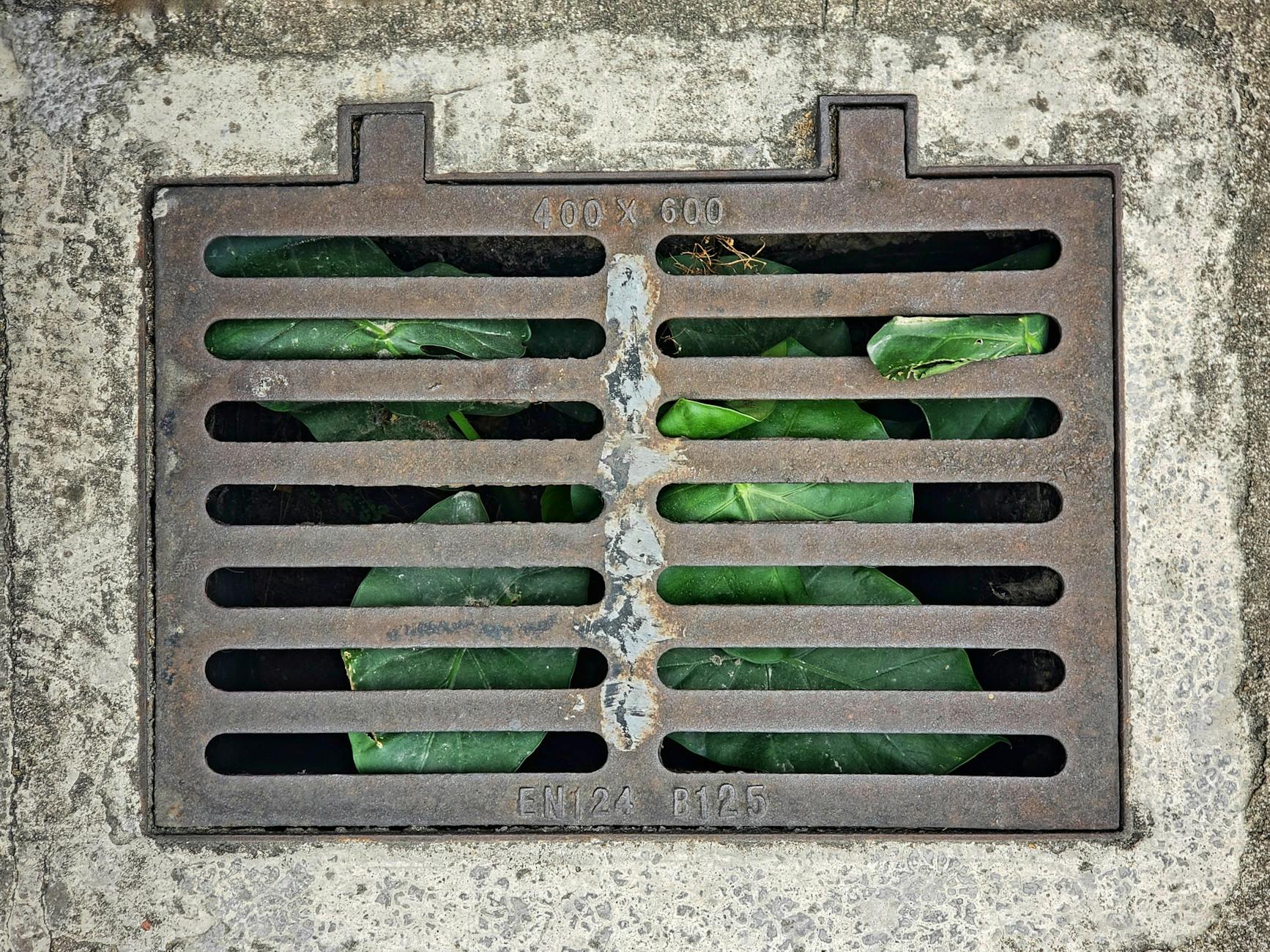
Deep beneath our bustling cities lies a hidden menace, a monstrous amalgamation of fats, oils, and other unsavoury debris. These 'fatbergs' are not only a plumber's nightmare but have also evolved into a formidable challenge for urban infrastructure. As cities grow, so too do these subterranean behemoths, blocking sewers and threatening to bring modern sanitation systems to their knees.
Recent technological advancements, however, are offering a glimmer of hope. Water utilities across the globe are now turning to artificial intelligence (AI) to wage war against these grimy goliaths. By leveraging AI, engineers can predict where fatbergs are likely to form and intervene before these greasy giants become unmanageable.
AI-powered sensors and cameras are being deployed to monitor the labyrinthine sewer systems of cities like London, Melbourne, and Denver. These devices analyse data to pinpoint early signs of fatty build-ups, allowing maintenance crews to act swiftly. The goal is to prevent the catastrophic blockages that can result in sewage spills, environmental damage, and costly repairs.
The Science of Detection
The science behind this technological approach is as fascinating as it is complex. Sensors continuously assess the conditions within sewers, measuring factors such as water flow and temperature. When the data indicates a potential fatberg formation, AI algorithms alert city officials, who can then deploy solutions ranging from high-pressure water jets to specialised robotic cutters.
Beyond the immediate practicalities, the fight against fatbergs highlights a broader trend in urban management: the increasing reliance on smart technologies to maintain and improve infrastructure. As cities become smarter, they are better equipped to pre-empt problems rather than merely reacting to them.
A Global Concern
Fatbergs are not merely a localised issue. From the streets of Manila to the alleyways of Belfast, these viscous villains have made headlines worldwide. In some cases, their presence has even exacerbated natural disasters, as was the case in Malabon, where fatbergs contributed to severe flooding.
While technology offers a promising solution, it is not a panacea. Public awareness and behavioural changes are crucial components of any long-term strategy. Reducing the amount of fats, oils, and greases washed down the drain is essential to minimise fatberg formation. Simple actions, such as disposing of cooking oil properly and avoiding flushing wet wipes, could significantly reduce the burden on our sewers.
In the end, the battle against fatbergs is emblematic of a larger environmental struggle, one where technology must work hand in hand with human behaviour to safeguard our urban futures.