Technologists Brush Aside Pope's AI Concerns Amidst Innovation Rush
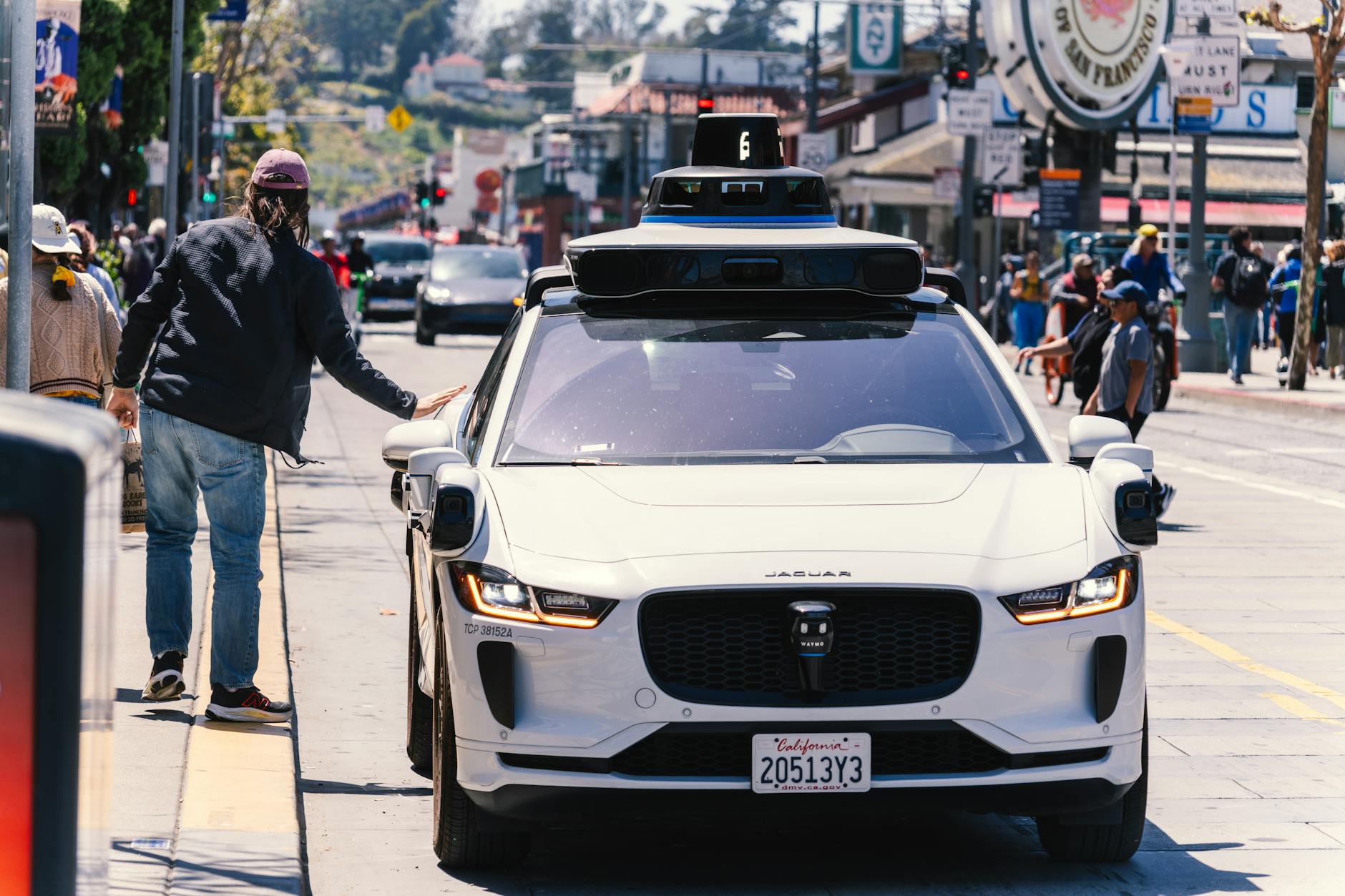
In the heart of San Francisco's bustling tech community, a quiet defiance simmers beneath the surface. Developers and engineers, ensconced in hacker houses like the A.G.I. House, seem largely indifferent to Pope Leo's recent encyclical urging caution over the unchecked rise of artificial intelligence.
Pope Leo's encyclical, presented with fanfare at the Vatican, called for robust guardrails to prevent AI from eroding job security and urged the strengthening of unions to defend workers' rights. His message, however, seems to have found little resonance among the technologists pushing the boundaries of AI development.
"They're not in dialogue," Mr. Nixon, a resident of A.G.I. House, remarked candidly. His words capture a broader sentiment within Silicon Valley, where the pursuit of innovation often eclipses ethical considerations. For many in the tech industry, the pontiff's warnings are seen as distant echoes, disconnected from the pressing realities of technological advancement.
While the Catholic Church's spiritual leader advocates for a more controlled approach to AI, tech companies continue to prioritise progress and potential. Christopher Olah, co-founder of the AI giant Anthropic, stood alongside the pope at the encyclical's presentation, yet even he acknowledges the complexity of balancing innovation with ethical responsibility.
As tech giants march forward, the gap between religious caution and industrial ambition widens. The pope's concerns underscore a critical debate: who controls the keys to our digital future? While some argue for a more tempered pace, others warn that slowing down could mean falling behind in the global race for technological supremacy.
In this climate, Pope Leo's calls for ethical oversight may be overshadowed by the relentless drive for progress. Yet, as AI continues to reshape industries and societies, the stakes of this debate only grow higher.