The Aravallis: Unearthing the Crisis of India's Ancient Hills
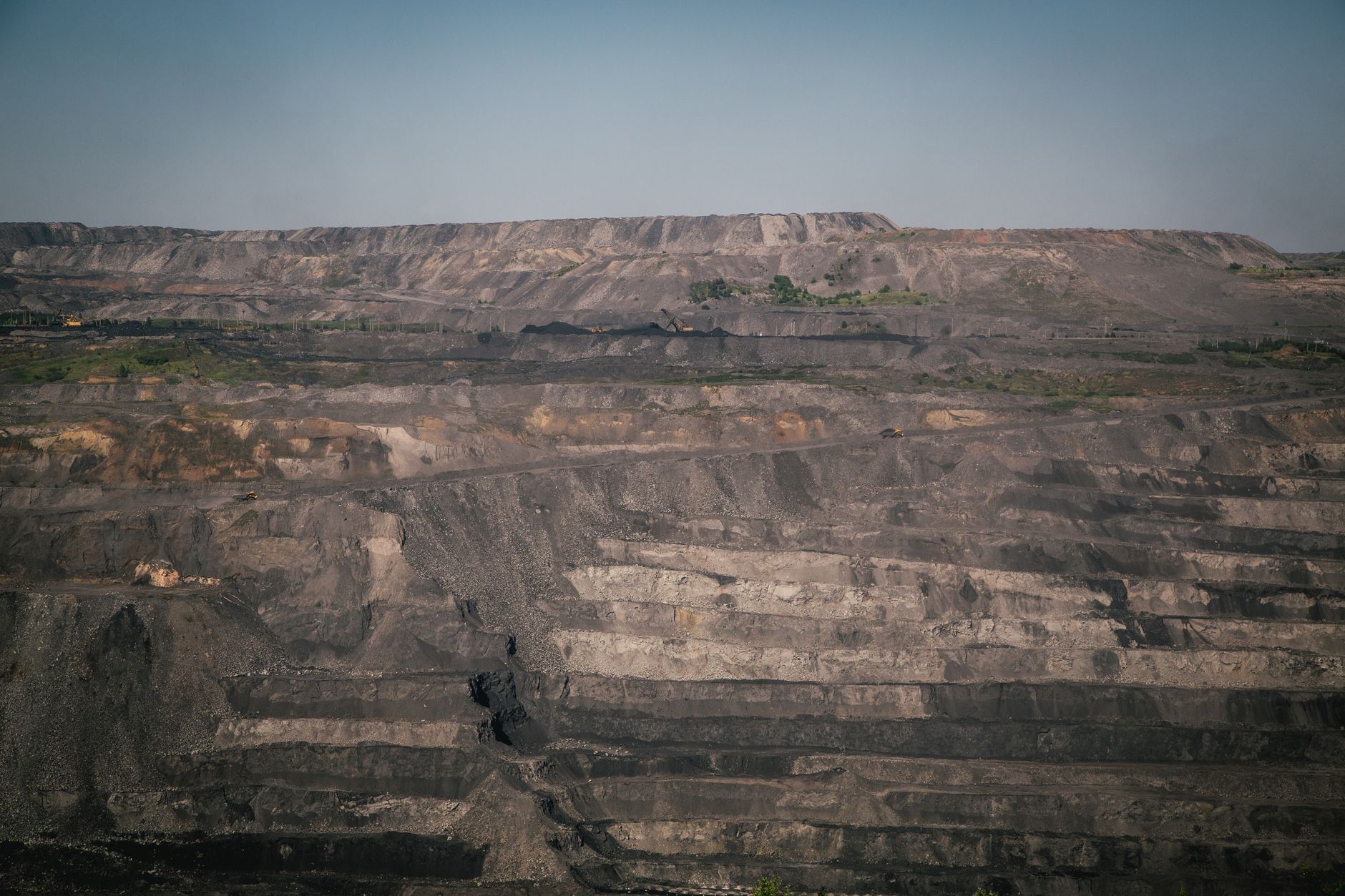
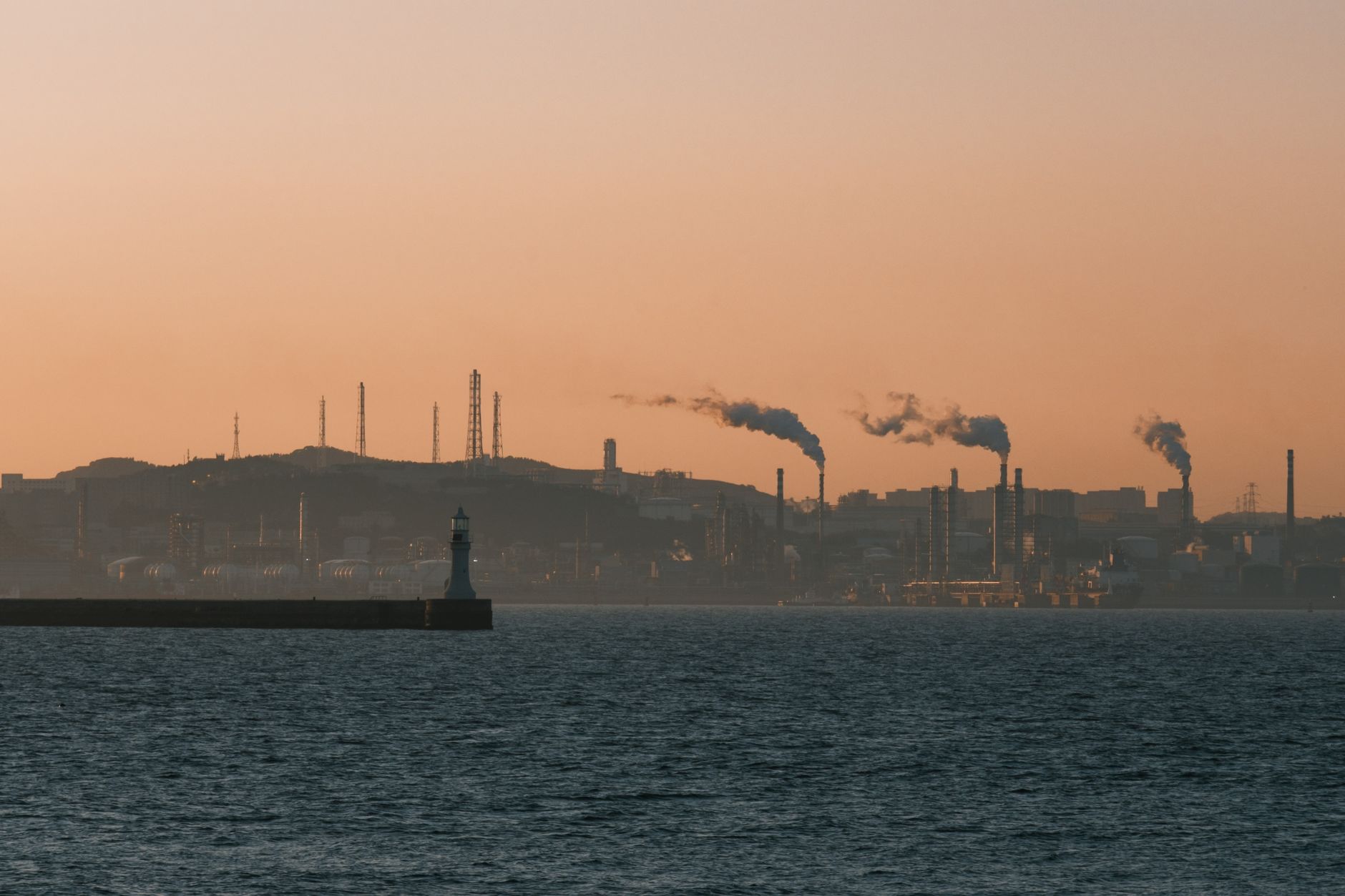
As dawn breaks over the Aravallis, the air is thick not just with the mist of early morning but with the dust of an industry that has taken a toll on these ancient mountains. Stretching across the states of Rajasthan and Haryana, the Aravallis are a testament to Earth's primordial past, yet their future is uncertain.
For centuries, these hills have stood as silent witnesses to history, but today, their storied slopes are scarred by the relentless pursuit of natural resources. The Supreme Court's recent decision to redefine the Aravalli range has sparked a fierce debate, pitting economic development against ecological preservation.
A Region in Distress
In the villages near Tijara, Rajasthan, the impact of mining is palpable. Residents speak of vanished water sources and rising health problems, particularly respiratory diseases caused by dust and pollution. "We used to have clean air and water," a local elder laments, "now all we have is dust and despair."
Mining, driven by the demand for stone and minerals, has led to severe environmental degradation. The noise of stone crushers echoes eerily amidst the hills, a constant reminder of the ongoing destruction. Local livelihoods, once tied to agriculture and tourism, have been disrupted, leaving communities in economic limbo.
Preservation Efforts and Challenges
Efforts to protect the Aravallis are as old as the threats themselves. Environmentalists argue that the range plays a crucial role in maintaining ecological balance, acting as a natural barrier against desertification and supporting diverse flora and fauna. Yet, these arguments often fall on deaf ears, overshadowed by the immediate economic gains of mining.
The reclassification of the Aravallis based on height by the Ministry of Environment, Forests and Climate Change has only added fuel to the fire. Critics argue that this move makes it easier for mining operations to expand, threatening the fragile ecosystem further.
The battle for the Aravallis is a microcosm of the larger struggle between development and conservation in India. As the country races towards economic growth, the challenge lies in ensuring that its natural heritage is not sacrificed at the altar of progress.
Ultimately, the fate of the Aravallis will depend not just on policy decisions but on the collective will of the people who inhabit and cherish these ancient hills. As the dust settles, the question remains: will the Aravallis stand as a monument to resilience or ruin?