The Astonishing Size of Fruit Fly Sperm Unveiled
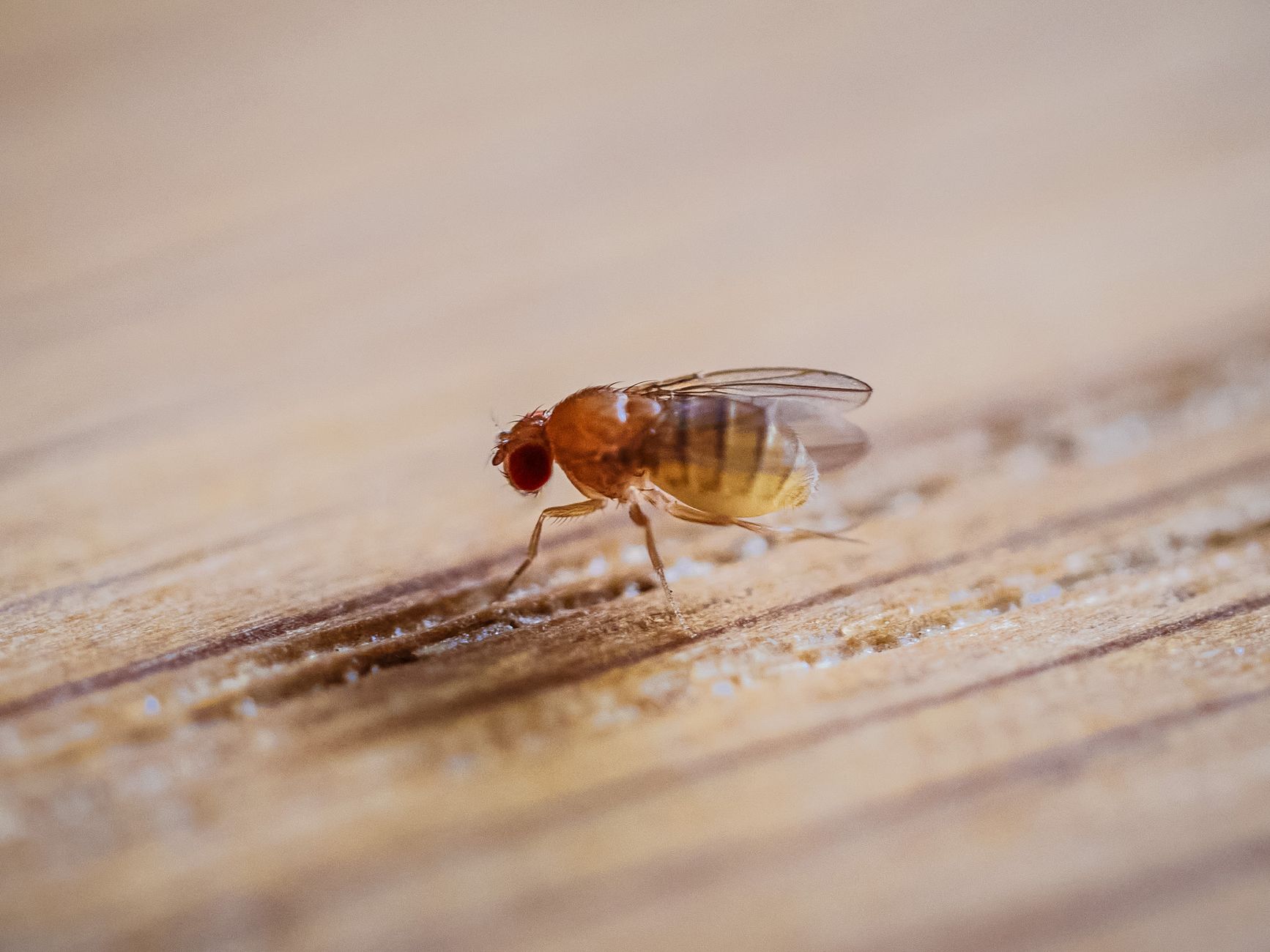
In a world where bigger is often equated with better, the fruit fly's sperm stands as an extraordinary testament to the adage. The minuscule Drosophila bifurca, a species of fruit fly, harbours sperm cells that can stretch an astonishing six centimetres in length. This is a feat of nature when one considers the fly itself measures only a few millimetres.
Dr Jasmin Imran Alsous, part of a team at the Simons Foundation's Flatiron Institute, recently documented this phenomenon. Under the microscope, the fruit fly's sperm cells appear to dance elegantly, a choreography of life within the confines of the male's reproductive organs. It is a sight that defies the chaos one might expect from such a disproportionate scale.
The Evolutionary Puzzle
The question arises: why would a creature so small possess such disproportionately large sperm? The answer lies in evolutionary strategy. In the animal kingdom, size does not always equate to quantity. The fruit fly produces relatively few sperm cells, but their size may confer a competitive advantage during fertilisation. The larger the sperm, the more likely it is to outcompete rivals, ensuring the fruit fly's genetic material is passed on.
This discovery not only sheds light on the fruit fly's unique reproductive strategy but also offers a window into the complexities of evolution. Understanding why such adaptations occur can provide insights into broader reproductive systems, including human fertility challenges.
Implications Beyond the Fly
Beyond its immediate zoological intrigue, the study of fruit fly sperm has broader implications for science. By developing new quantitative approaches to reproductive biology, researchers may unlock secrets applicable to other species. The fruit fly, already a staple in genetic research, continues to surprise and inform, reminding us that even the smallest creatures can hold the largest mysteries.