The Birth of Rayon: From Wood Pulp to Fashion Staple
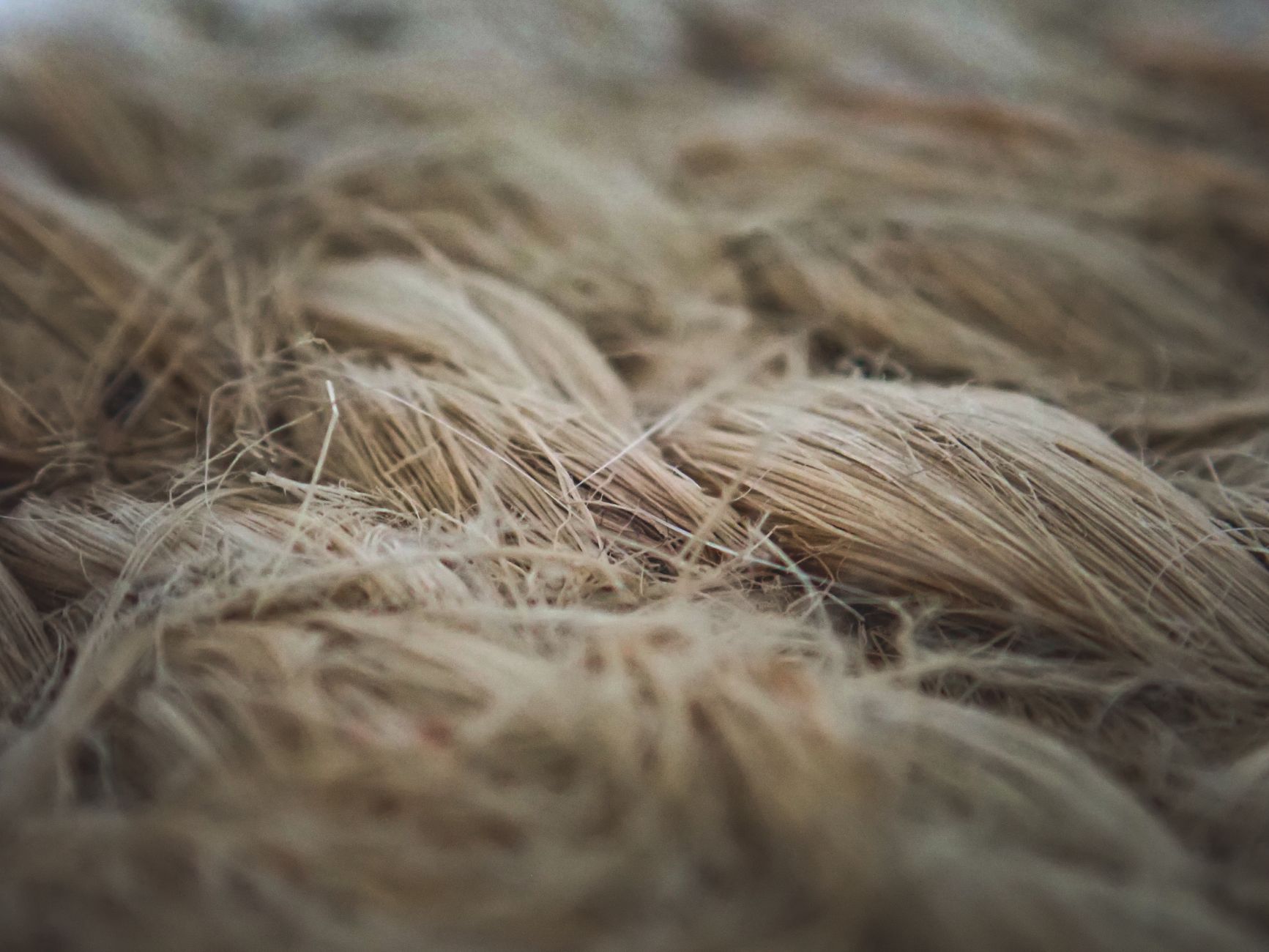
In the final years of the nineteenth century, a group of chemists embarked on an ambitious experiment: could wood pulp, a seemingly humble material, be transformed into something resembling the luxurious silk? By 1898, their efforts bore fruit, and rayon was born. This new textile, crafted from cellulose, offered an affordable yet elegant alternative to natural silk, and it didn't take long for it to weave its way into everyday life.
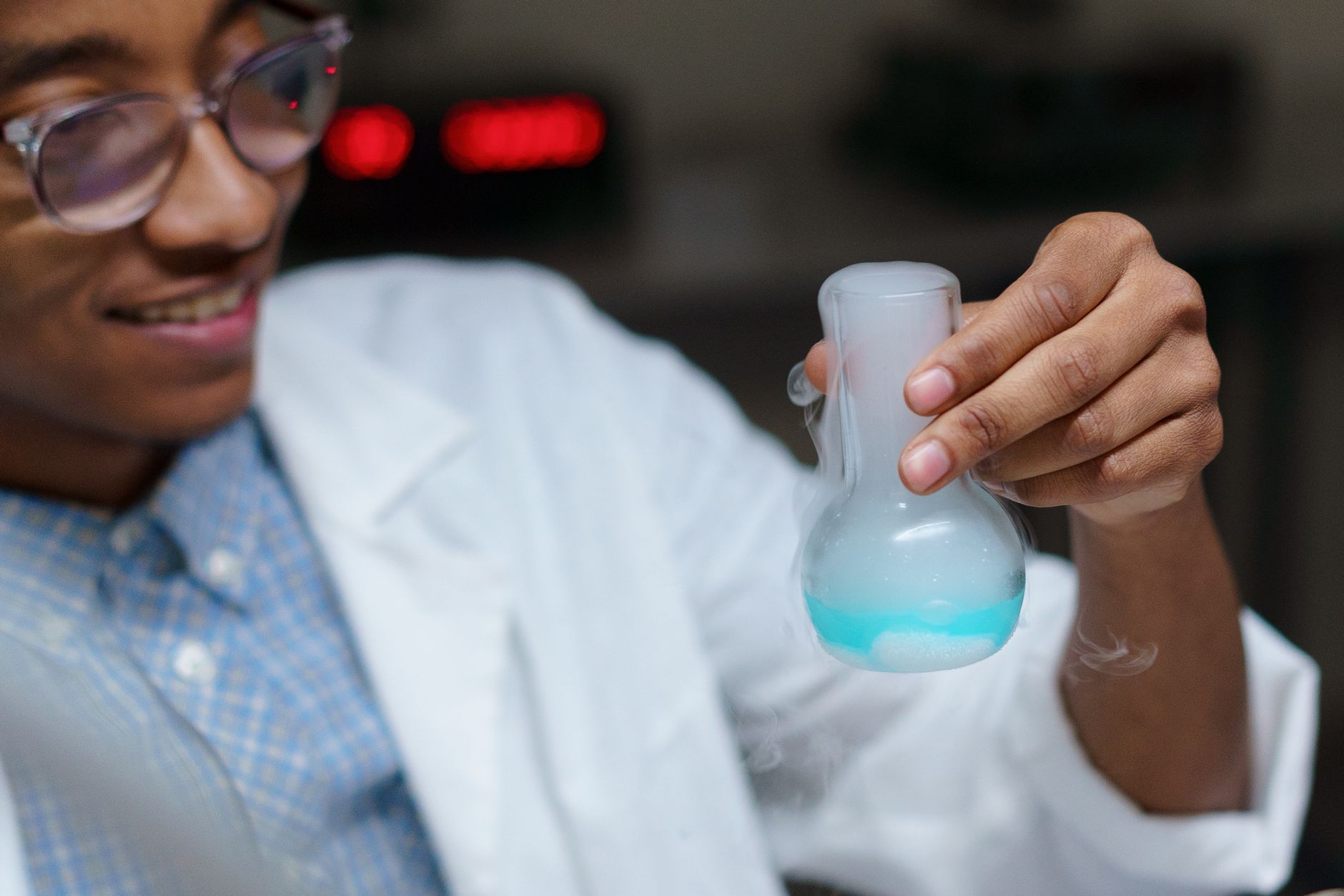
The process of making rayon involves dissolving cellulose and then precipitating it into fibres. The chemists used a blue solution, which, when combined with colourless sulphuric acid, gradually faded into the fibre over time. This transformation from a plant-based pulp to a smooth, soft fabric was nothing short of alchemical magic. The result was a highly versatile fabric, praised for its excellent drape and breathability.
The Impact on Fashion
The introduction of rayon marked a significant shift in the textile industry. Unlike silk, which was expensive and often inaccessible to the average consumer, rayon offered a more economical option without sacrificing style or comfort. It provided designers with a new medium to experiment with, leading to innovative fashion trends that democratised luxury.
Rayon's versatility is further highlighted by its various forms. Viscose, Lyocell, Cuprammonium Rayon, and Modal each offer unique characteristics, catering to different needs and preferences. For instance, Modal, derived from beech trees, is particularly renowned for its softness, making it ideal for intimate apparel and soft furnishings.
Sustainability and Future Prospects
As the world grows increasingly conscious of sustainability, rayon's semi-synthetic nature holds promise. It uses renewable wood sources, and with advancements in eco-friendly production methods, it is positioning itself as a more sustainable choice in the textile industry. Although not without its challenges, such as the environmental impact of some production processes, continued innovation could see rayon playing a pivotal role in the future of sustainable fashion.
In essence, the invention of rayon over a century ago paved the way for a new era in fashion, one where luxury became accessible, and innovation met practicality. As we look towards a more sustainable future, the story of rayon reminds us of the enduring power of human ingenuity.