The Enigmatic and Profitable Craft of Orchid Breeding
In a world where rarity commands a premium, the art of orchid breeding stands as both a scientific endeavour and a lucrative business. Behind the unassuming facade of greenhouses, breeders engage in a meticulous process, blending science with creativity to cultivate these coveted blooms.
Their work begins with a lab coat and a microscope. Here, genetic markers are employed to identify traits that might yield a spectacular new flower. Breeders are not simply gardeners; they are akin to alchemists, transforming the ordinary into the extraordinary through careful selection and hybridisation.
The Science Behind the Beauty
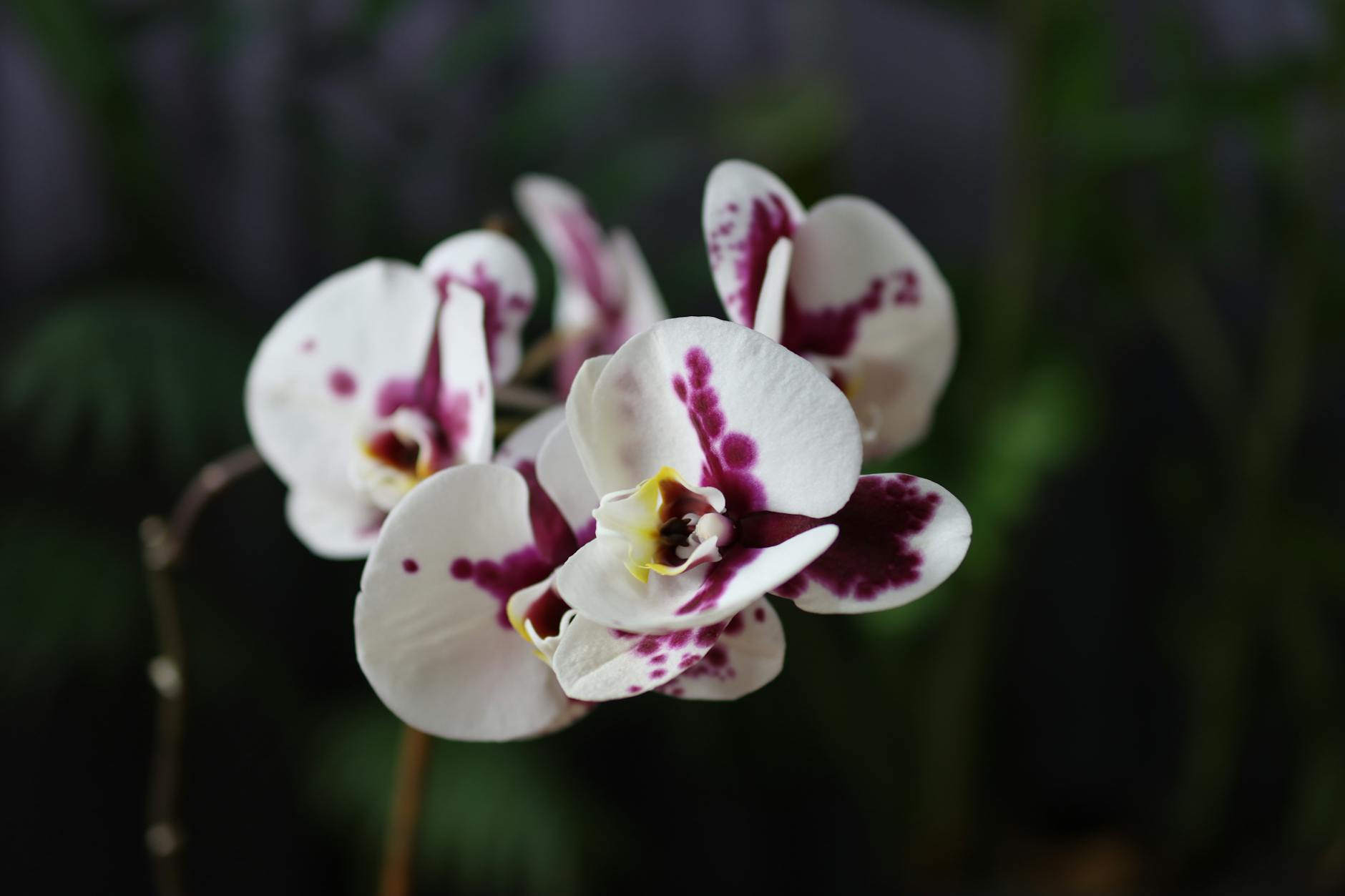
Orchid breeding is a symphony of biology and artistry. While the colourful displays of Phalaenopsis orchids in local markets might suggest simplicity, their creation is anything but straightforward. Breeders employ techniques such as mericloning, a process that allows for the mass propagation of orchids by replicating the genetic material of a single plant.
Yet, much of the breeding world remains veiled in secrecy. Patents and breeders' rights hinge on the physical characteristics of new varieties, not their DNA. This requires breeders to be both scientists and sleuths, ensuring their creations are distinct enough to stand alone in the competitive market.
A Blossoming Industry
Orchids hold an irresistible allure for collectors and enthusiasts, driving a global industry worth billions. In the tropical regions where these plants thrive naturally, the diversity of species offers endless possibilities for new hybrids. Each hybrid represents a potential goldmine, a unique blend of aesthetics and rarity that could capture the imagination of connoisseurs worldwide.
As the demand for distinctive orchids grows, breeders continue to push the boundaries of what is possible. They navigate a labyrinth of genetics and environmental conditions, all in pursuit of the perfect bloom. The stakes are high, but the rewards—both financial and artistic—are even higher.