The Environmental Cost of Progress: Instagram's Silence on Google's Data Centre

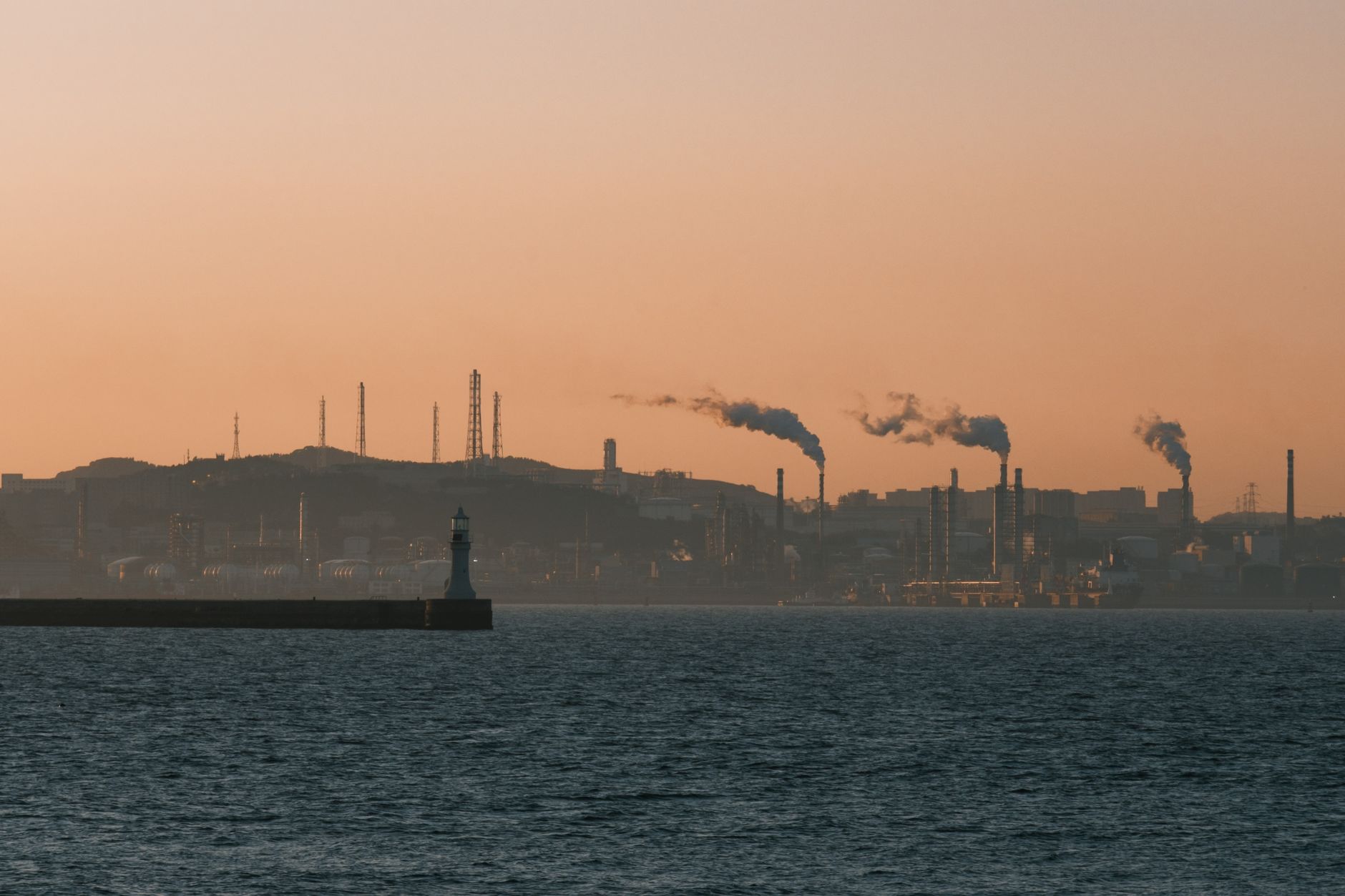
As the sun dips below the horizon in Visakhapatnam, the controversy surrounding Google's proposed data centre casts a long shadow over the city. The Human Rights Forum (HRF) has raised alarms over what it describes as 'large-scale hill cutting, deforestation, and excavation' near the Mudasarlova reservoir, a crucial source of drinking water for the region.
In an unexpected twist, Instagram has restricted posts and petitions highlighting these environmental concerns. The move has drawn ire from activists and sparked conversations about the delicate balance between technological advancement and environmental responsibility. The HRF argues that such restrictions stifle public discourse and transparency, crucial elements in a democratic society.
Impact on the Local Environment
The proposed data centre, a joint venture between Google and Adani, promises to bolster digital infrastructure but at what cost? According to environmentalists, the project's location threatens the biodiversity of the area. The Mudasarlova reservoir, already strained, faces increased risk due to potential pollution and deforestation.
Residents and local activists fear that the unchecked development could lead to long-term ecological damage, affecting not only wildlife but also the livelihoods of those dependent on the land.
Social Media's Role and Responsibility
The role of social media platforms in such debates is under the microscope. Instagram's decision to restrict content related to the data centre has been met with criticism for potentially curbing free speech. The restricted posts included videos and reports that had garnered significant public attention, crossing millions of views.
Critics argue that social media should serve as a platform for open discussion, especially on issues with far-reaching implications. The HRF has called for greater transparency from both the government and tech giants involved in the project.
As the debate rages on, the Visakhapatnam data centre case could set a precedent for how environmental concerns are managed in the face of technological progress in India. The outcome may well determine whether economic development can coexist with environmental preservation in a rapidly evolving digital landscape.