The Future of Aviation Education: A New Horizon for Aspiring Pilots
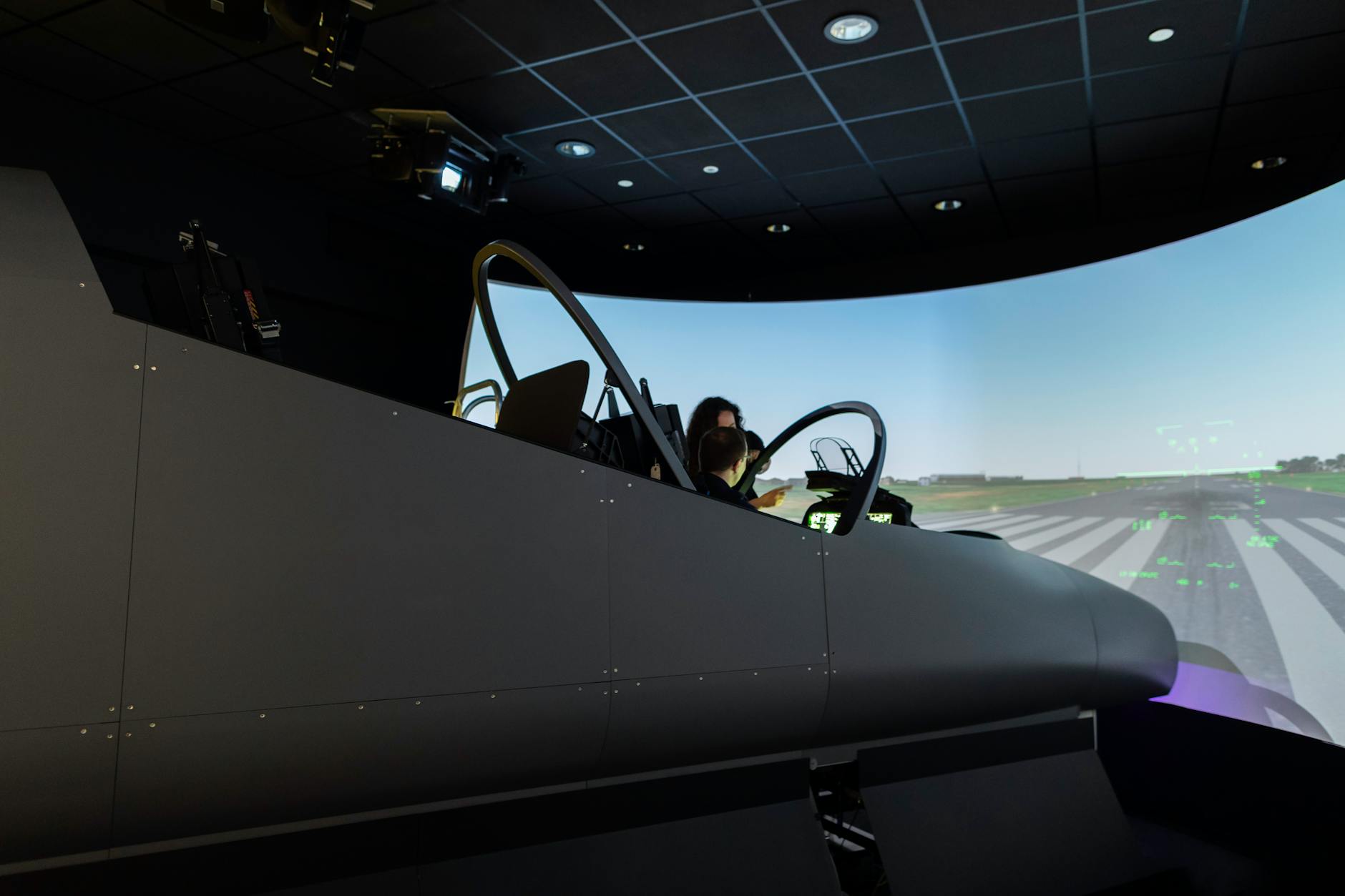
In the ever-evolving world of aviation, education is taking centre stage as the industry braces for a future dominated by technological marvels. With the advent of the F-35 and other advanced aircraft, training programmes are under pressure to adapt and equip pilots with the skills necessary to navigate these complex machines.
The traditional methods of pilot training, once reliant solely on classroom instruction and flight hours, are being supplemented—and in some cases, replaced—by sophisticated simulators and virtual reality technology. These innovations offer a more comprehensive approach, allowing trainees to experience a wide range of scenarios, from routine take-offs to emergency landings, all within a controlled environment.
Embracing Technology
Simulation technology, often used in military aviation, is now becoming integral to civilian pilot education. The ability to simulate real-life scenarios without the associated risks is proving invaluable. It not only enhances the learning experience but also significantly reduces costs associated with aircraft fuel and maintenance.
Moreover, virtual reality is breaking new ground by offering immersive experiences that traditional methods simply cannot match. Trainees can now explore the cockpit in a 360-degree environment, gaining a deeper understanding of the aircraft's systems and operations.
Challenges and Opportunities
However, this shift towards technology-driven education is not without its challenges. The initial cost of setting up advanced simulators and VR systems can be prohibitive. Furthermore, there is a learning curve for both instructors and students as they adapt to these new tools.
Despite these hurdles, the opportunities are immense. As the aviation industry continues its rapid growth, the demand for skilled pilots is set to soar. Innovative education programmes that integrate technology will not only meet this demand but also ensure pilots are well-prepared for the intricacies of modern aviation.
In conclusion, the future of aviation education looks promising. By embracing technology, the industry is not only improving the quality of training but also paving the way for a new generation of pilots who are ready to take on the challenges of tomorrow's skies.