The Hidden Environmental Costs of AI: A Growing Concern
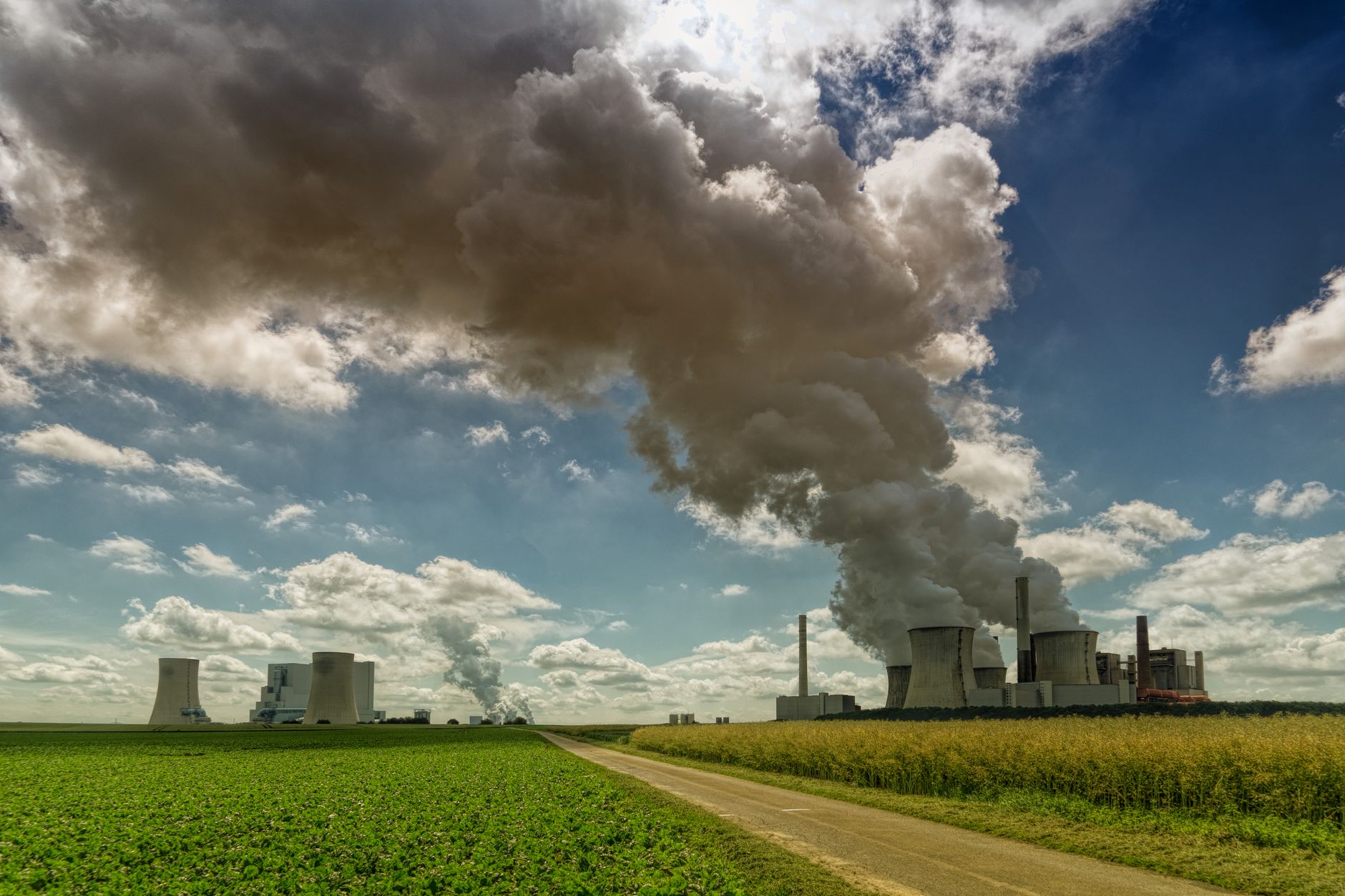
In an era where artificial intelligence (AI) is heralded as a cornerstone of future innovation, a new report sheds light on a less-discussed aspect: its environmental cost. The comprehensive study reveals AI's significant carbon, water, and land footprints, urging a reevaluation of how we integrate this technology into our daily lives.
The report, backed by the European Union's regulatory ambitions under the European Green Deal, underscores the need for transparency from AI providers. Policymakers are increasingly aware that the siting of data centres—where they draw their energy from and their water usage—plays a crucial role in determining the environmental impact of AI operations.
Transparency and Accountability
Dr. Leila Madani, one of the report's authors, emphasises the importance of making AI's resource consumption visible. "We need the providers to provide that information," she insists. This call for transparency is not merely an academic exercise but a practical necessity for integrating AI into energy, climate, water, and land-use planning.
As the EU looks to regulate these environmental impacts more stringently, the report provides a framework for understanding AI's extensive footprints. The goal is not to stifle innovation but to ensure it proceeds without shifting the environmental burden onto vulnerable communities.
The Role of Data Centres
Data centres, the physical backbone of AI, are at the heart of this environmental discourse. Their location, energy source, and water cooling needs have a profound effect on their carbon and water footprints. By making informed decisions on these fronts, AI can be a part of the solution rather than the problem.
The report calls on tech giants to disclose their environmental data, aligning with a broader push for corporate responsibility in tackling climate change. As AI continues to expand, the need for sustainable practices becomes ever more pressing.
Ultimately, the question is not whether AI should thrive but how it can do so without costing the Earth. The report serves as a clarion call for integrating sustainability into AI's future, ensuring that technological progress does not come at the expense of our planet's health.