The Hidden Environmental Toll of AI: A Triple Threat

In a world increasingly enamoured with digital innovation, the environmental cost of artificial intelligence (AI) remains a formidable challenge. A recent report by the United Nations University Institute for Water, Environment and Health (UNU-INWEH) throws light on a pressing concern: the carbon, water, and land footprints of AI's burgeoning energy consumption. While AI is often celebrated for its potential to drive sustainability, the reality is far more complex.
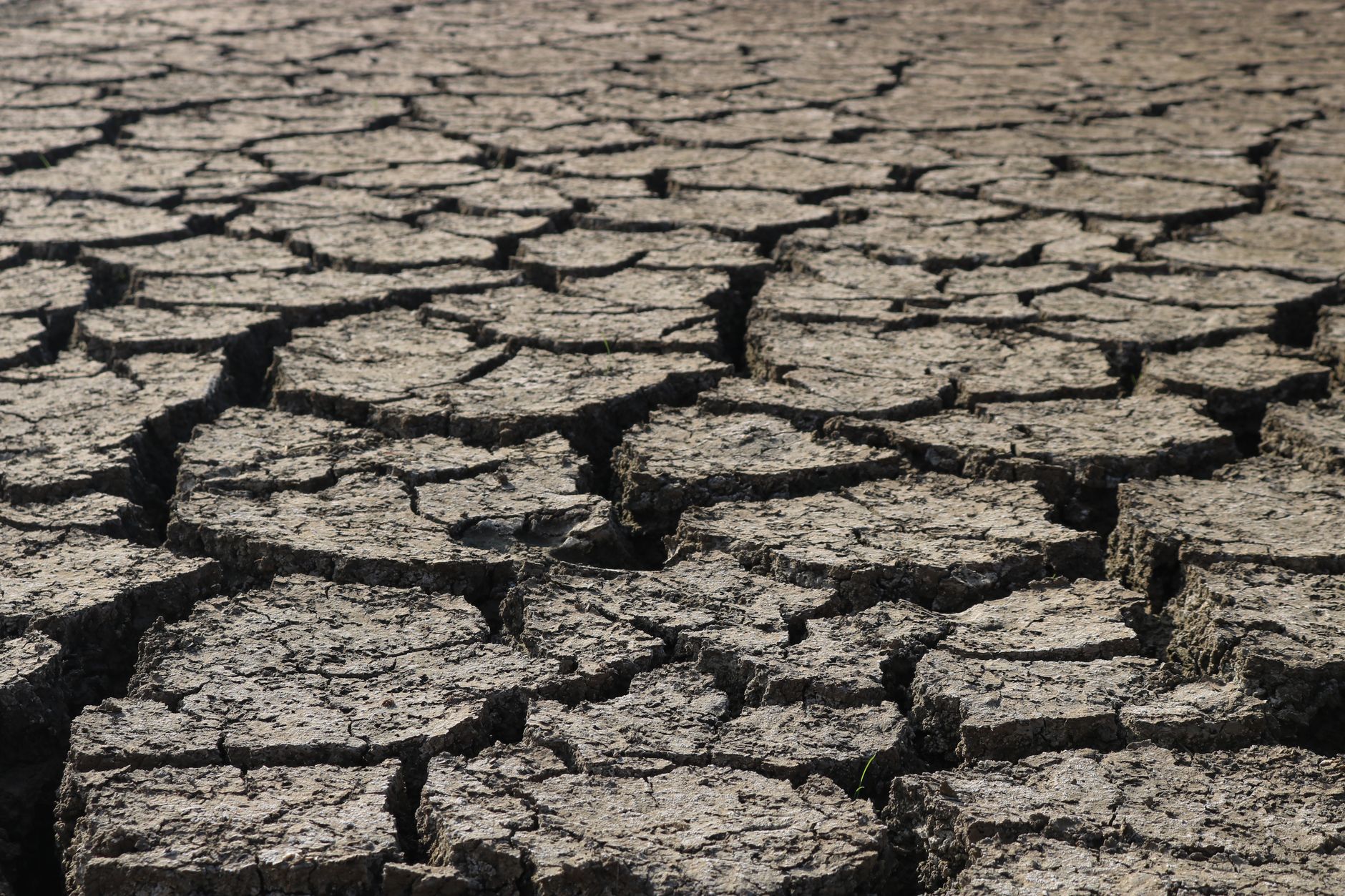
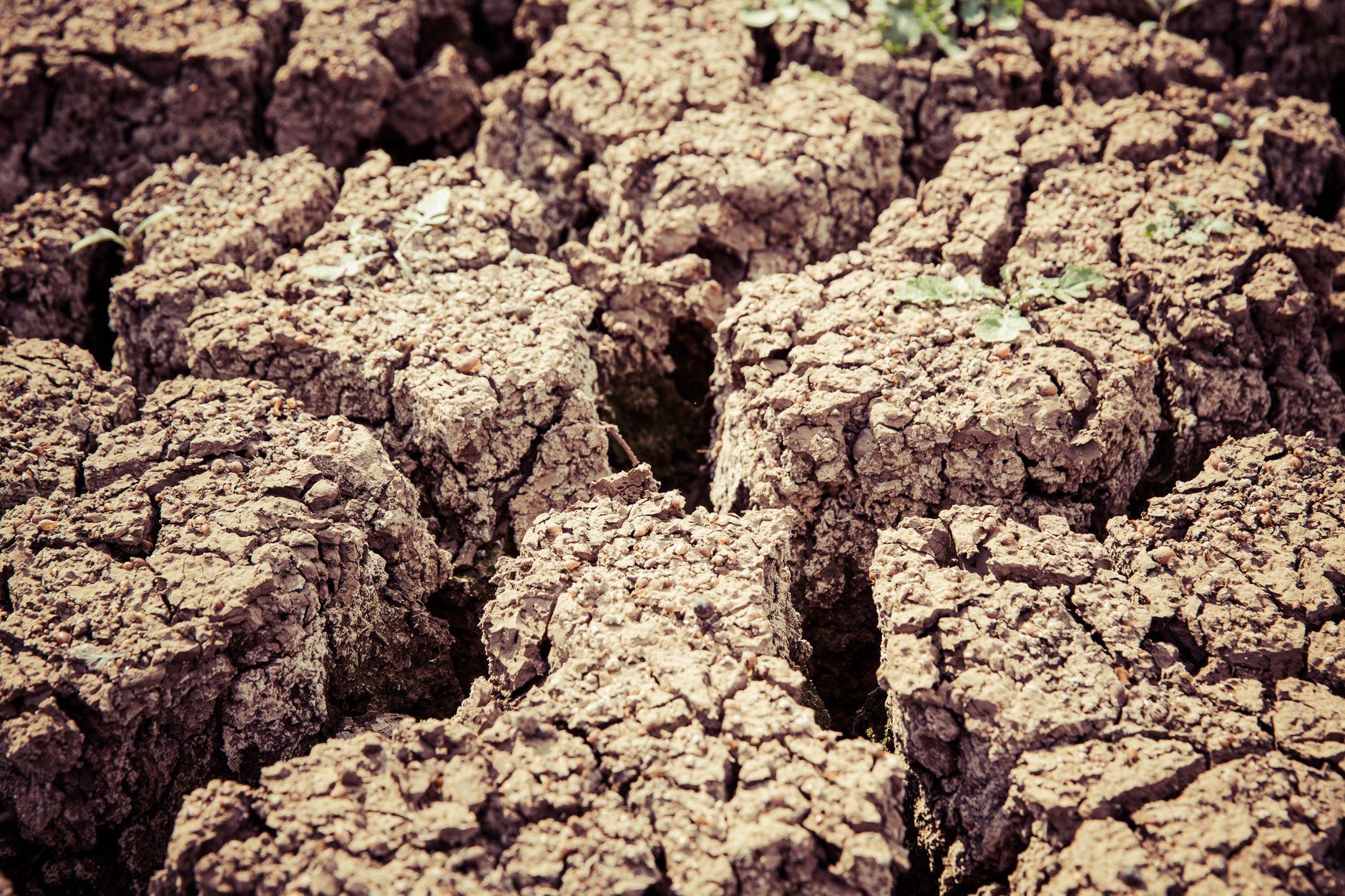
AI's voracious appetite for energy is well-documented, yet its environmental ramifications extend beyond mere carbon emissions. Data centres, the backbone of AI operations, require substantial cooling systems, leading to a significant water footprint. According to the UNU-INWEH report, the water used in cooling these facilities could exacerbate water scarcity in already vulnerable regions.
Moreover, the land footprint of AI, although less publicised, is equally concerning. The physical space needed for data centres and related infrastructure is expanding rapidly. This not only leads to direct land use changes but also impacts biodiversity and local ecosystems.
The Triple Threat
Addressing AI's environmental impact requires a holistic approach. The report advocates for an integrated resource nexus framework, which considers the interconnected nature of energy, water, and land use. Such a framework could guide policymakers and industry leaders in mitigating the environmental burden of AI.
Yet, the path towards a sustainable AI future is fraught with challenges. As AI technologies evolve, so too must the strategies to manage their ecological footprints. This will demand collaboration across sectors and innovative solutions that balance technological advancement with environmental stewardship.
Ultimately, the question is not whether AI can be sustainable, but how we can ensure it is. As nations and corporations champion AI for its potential to solve environmental issues, they must also confront its contribution to these very problems. The UNU-INWEH report serves as a timely reminder that the pursuit of progress should not come at the expense of the planet.