The Hidden Perils: Everyday Toxins and Heart Health

It is not the obvious dangers but the concealed ones that often create the greatest harm. Dr Rahul Mehrotra, an esteemed heart surgeon, recently drew attention to a series of everyday environmental toxins that quietly, yet significantly, impact heart health. Among these, secondhand smoke stands out as a particularly potent risk factor.
During a detailed interview, Dr Mehrotra described how various pollutants, including heavy metals and 'forever chemicals', interact with our daily diets, exacerbating risks to cardiovascular health. These substances are pervasive, seeping into our lives through seemingly innocuous sources such as household items and processed foods.
The Silent Threats
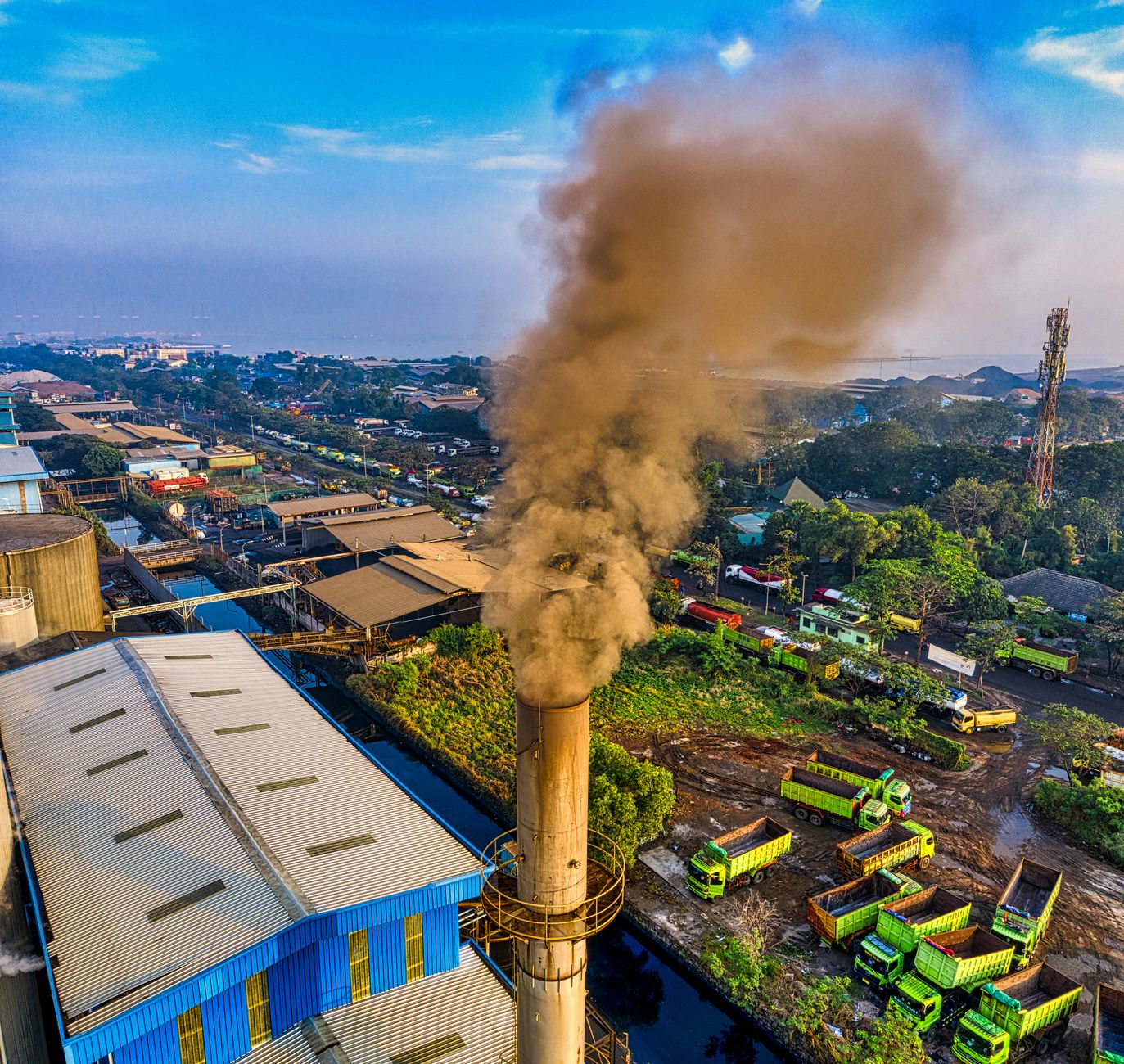
Secondhand smoke, often lurking in social settings, is a well-documented hazard. Its effects are not only immediate but also cumulative, leading to severe respiratory and cardiac conditions. However, it is the less visible threats, like heavy metals found in certain water supplies and industrial areas, that often evade public scrutiny. These metals can accumulate in the body, leading to chronic health issues over time.
Similarly, 'forever chemicals', a group of synthetic substances used in various consumer products, have been found to linger in the environment and the human body, potentially affecting heart health among other concerns.
Implications for Public Health
Understanding these risks is pivotal for public health professionals and policymakers. Dr Mehrotra emphasised the importance of comprehensive research and community education to mitigate these hazards. By prioritising awareness and regulatory measures, communities can better shield themselves from these hidden perils.
Ultimately, the conversation around environmental toxins is not just about identifying risks but also about fostering a proactive approach to health and safety. It's about recognising the subtle yet profound impact these everyday exposures can have on our lives and taking decisive steps to reduce them.