The Promise and Perils of 3D Multi-Omics Tumour Atlases
In a modest laboratory tucked away in the heart of Cambridge, scientists are crafting what could be the next frontier in cancer research: 3D multi-omics tumour atlases. These atlases promise to unveil the intricate tapestry of molecular interactions within tumours, offering a glimpse into personalised cancer treatments that were once the stuff of science fiction.
At the core of this endeavour is the integration of multi-omics data—genomics, proteomics, metabolomics, and more—into a cohesive, three-dimensional model. This model not only maps the biological landscape of tumours but also seeks to predict their behaviour, offering clinicians a powerful tool in the fight against cancer.
The Technical Challenge
Despite the promise, the path to clinical translation is fraught with obstacles. The sheer volume and complexity of multi-omics data require sophisticated computational techniques, including deep learning algorithms that can handle non-linear interactions across molecular layers. These algorithms have shown potential in disease subtyping and biomarker discovery but require rigorous validation in clinical settings.
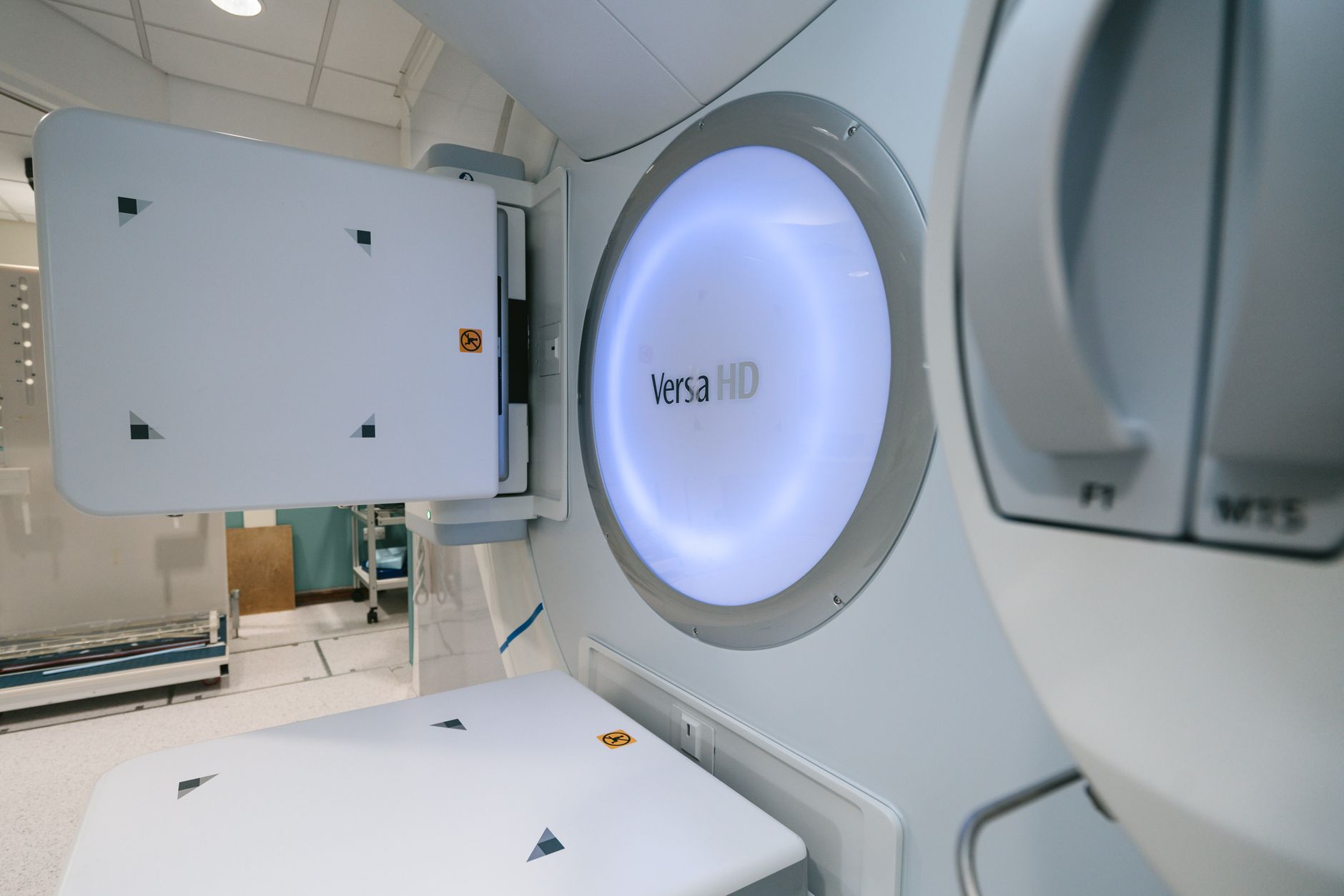
Moreover, the integration of this data into existing medical practices remains a significant hurdle. The high-resolution profiling of tumours necessitates not only advanced equipment but also the training of medical personnel to interpret the data effectively.
The Biological Frontier
On the biological front, the task is equally daunting. Mapping the tumour-immune landscape is crucial for developing effective treatment strategies, particularly for cancers like bile duct carcinoma (BTC), where personalised treatment could dramatically improve patient outcomes.
However, translating these insights into viable treatment strategies necessitates a deeper understanding of tumour biology and its interaction with the immune system. This requires continued research and collaboration between biologists, clinicians, and data scientists.
From Lab to Clinic
Ultimately, the goal is to bridge the gap between laboratory research and clinical application. This involves not only technological innovations but also regulatory approvals and healthcare policy adaptations. As researchers continue to refine these models, the hope is that 3D multi-omics tumour atlases will become an integral part of personalised medicine, offering tailored treatments that improve survival rates and quality of life for cancer patients.
The journey from bench to bedside is long and arduous, but the potential rewards—a revolution in cancer treatment—are well worth the effort.