The Quiet Influence: How Environment Shapes Our Health
In a world where the air we breathe and the food we consume teem with countless chemicals, the quiet whisperings of the environment on our health often go unnoticed. Yet, a recent study conducted by the CeMM Research Center for Molecular Medicine of the Austrian Academy of Sciences, alongside the Ludwig Boltzmann Institute for Network Medicine, seeks to shine a light on these invisible threads.
Researchers mapped nearly 10,000 environmental exposures, ranging from pollutants to food components, and their effects on human genes. The findings illuminate a complex web, known as the 'exposome', which represents the totality of all environmental influences a person encounters throughout life. This study underscores the formidable task that scientists face in linking specific exposures to specific diseases.
The Challenge of the Exposome
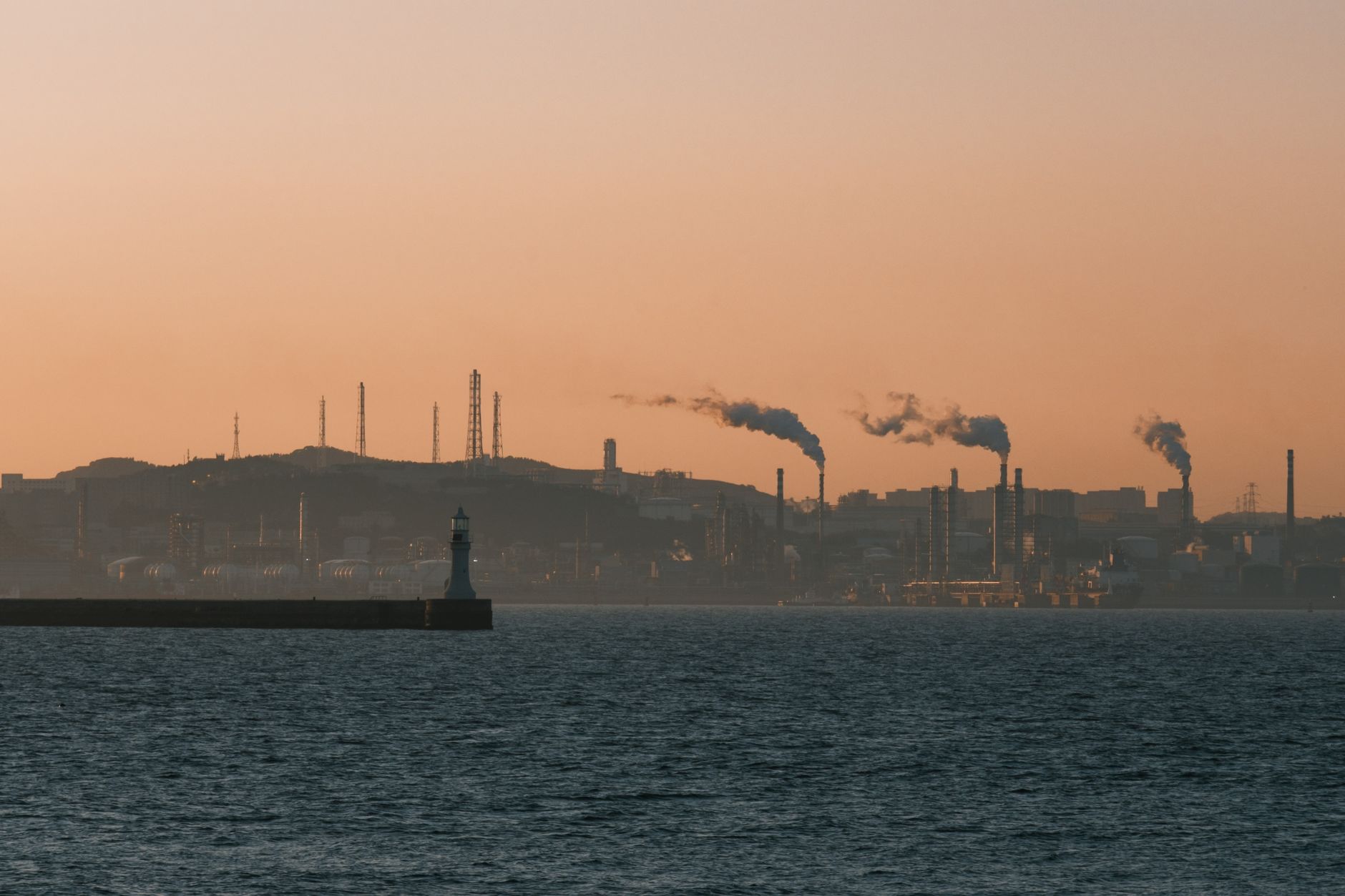
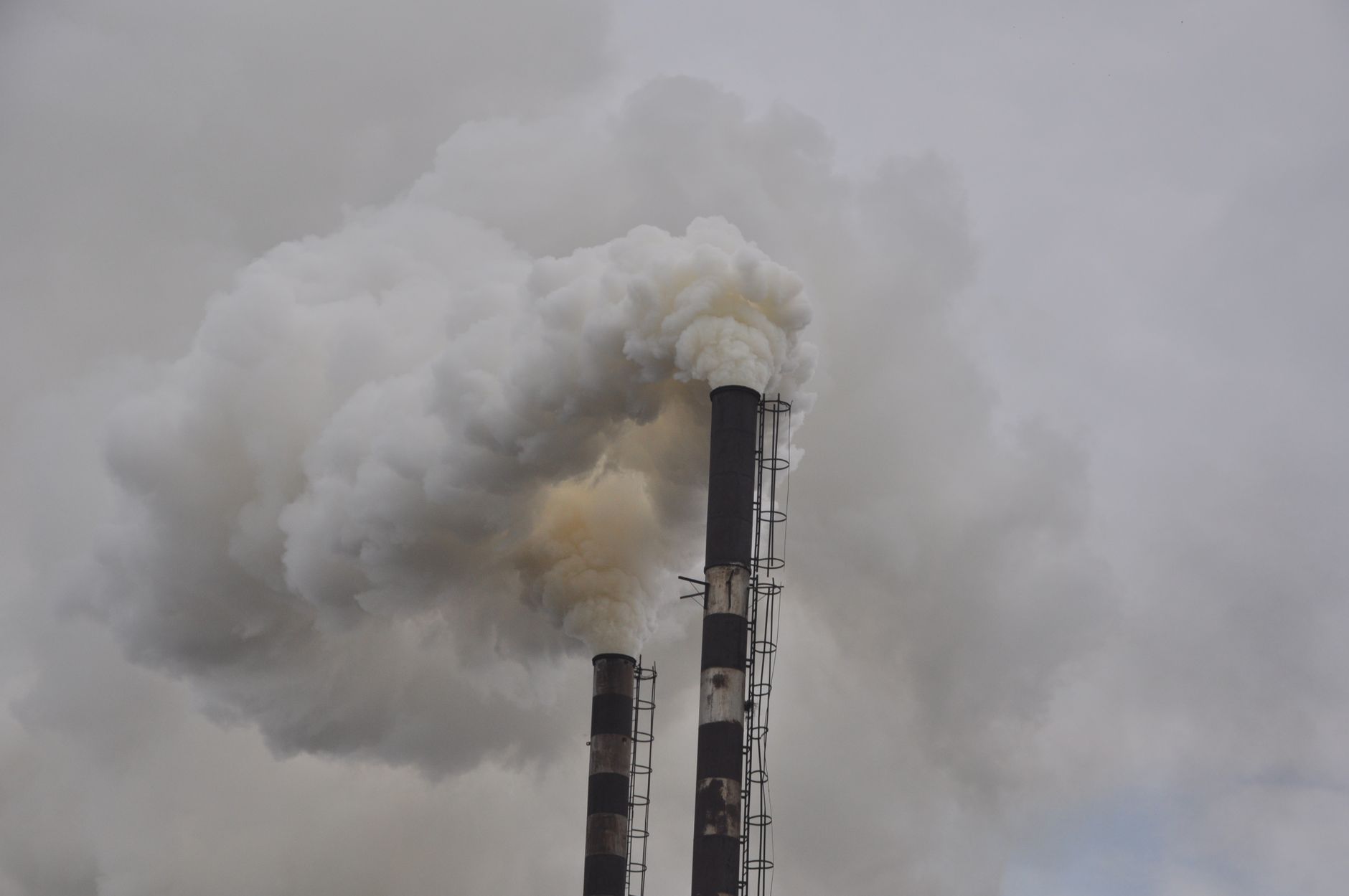
Environmental pollution is estimated to contribute to one in six deaths globally. However, pinpointing the exact causes has been as elusive as catching smoke with bare hands. The exposome, with its vast array of variables, makes it immensely challenging to establish clear correlations between environmental factors and health outcomes.
From the infamous thalidomide scandal to the ongoing concerns over smog and heart disease, our environment has long been a silent influencer of health. The new research bolsters the understanding that chemically diverse substances can have significant impacts on human health, altering genetic expressions in ways we are just beginning to comprehend.
Implications for Public Health
Despite the daunting complexity, the study serves as an essential reminder of our need to scrutinise environmental policies and public health strategies. It empowers us to question and demand evidence, potentially leading to stricter regulations and innovative solutions to reduce harmful exposures.
As our understanding of these invisible threads grows, so too does the potential to create a healthier, safer world. This is not merely an academic exercise, but a vital step towards safeguarding future generations against the unseen perils of our modern environment.