The Rise of Manmade Cells: Feeding, Growing, and Reproducing
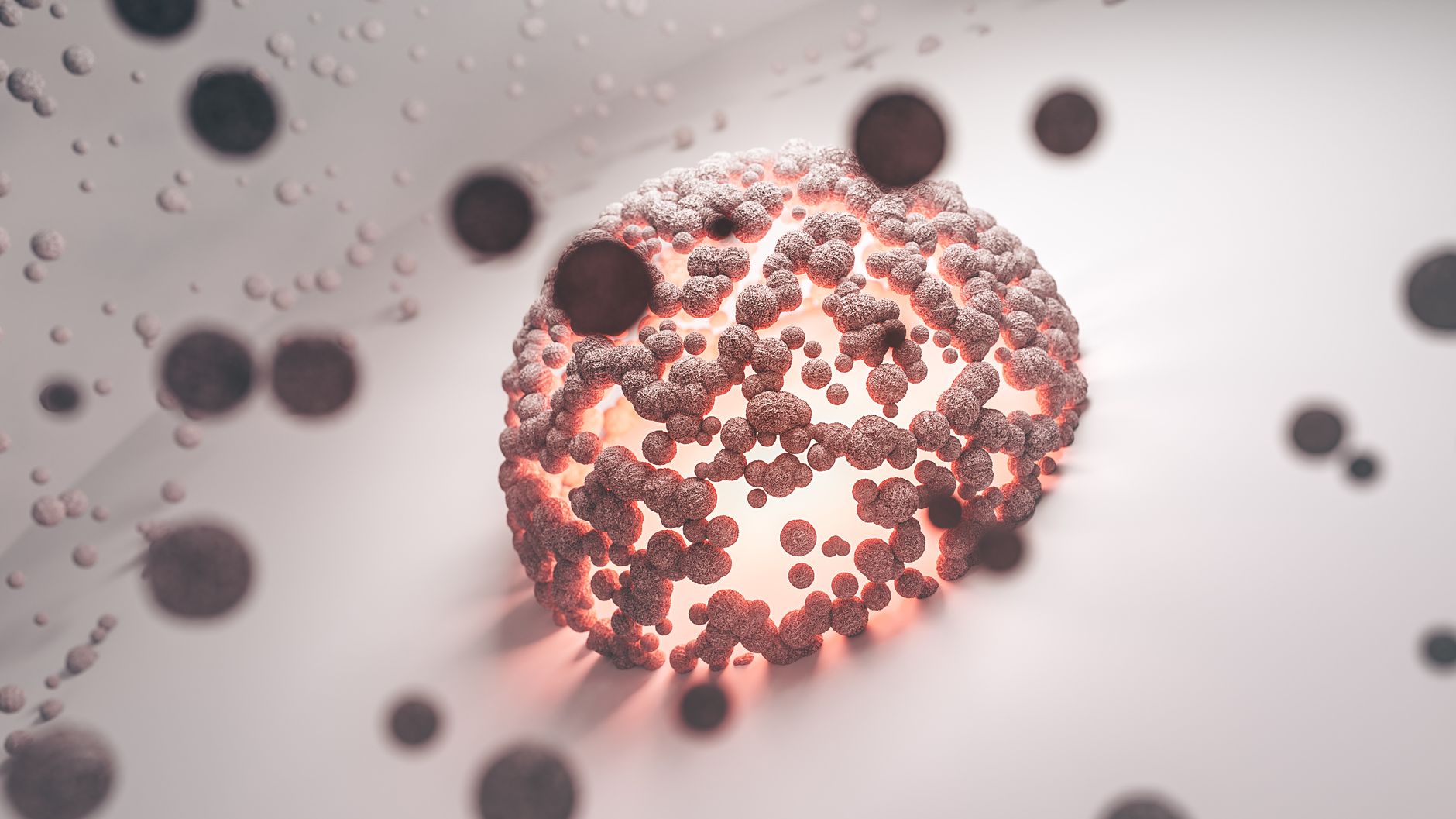
In the realm of synthetic biology, a remarkable feat has been achieved—a cell that feeds, grows, and reproduces, crafted not by nature, but by human hands. Dubbed 'SpudCell', this manmade entity is the creation of Dr. Kate Adamala and her team, who have meticulously engineered it with just 150 to 200 distinct molecular species.
Unlike its natural counterparts, which consist of millions of molecular species, SpudCell operates on a minimalist construct. It not only performs basic life functions but also exhibits an embryonic form of evolution, as shown by a mutant version that binds more efficiently to nutrient-rich bubbles—a trait that suggests an ability to adapt.
Why does this matter? The implications of such a development could be profound. In the medical field, these cells could be tailored for drug delivery systems, targeting specific sites within the body with precision previously deemed impossible. Moreover, in biotechnology, they could pave the way for new methods of producing compounds or even for environmental applications, such as bio-remediation.
The Mechanics of a Minimalist Cell
At the heart of SpudCell’s design is simplicity. By paring down unnecessary components, researchers can focus on essentials, providing a 'clean slate' for experimentation. As Dr. Adamala notes, it's fully defined, allowing for precise engineering. This level of control is vital for advancing our understanding of cellular functions and manipulating them for human benefit.
Yet, this is just the beginning. The development of SpudCell opens up a world of possibilities, each more intriguing than the last. It challenges the boundaries of what we consider life and our role in crafting it. As researchers continue to refine these cells, the line between synthetic and natural may blur, leading to ethical and philosophical debates about creation and control.
Ultimately, the emergence of SpudCell marks a significant milestone in synthetic biology. It raises questions about the future of life itself, and whether humanity might one day create life forms entirely new to this world. Only time will reveal the true impact of this innovation, but its potential is undeniably vast.