The Secret Behind Gold's Eternal Shine Unveiled by Scientists
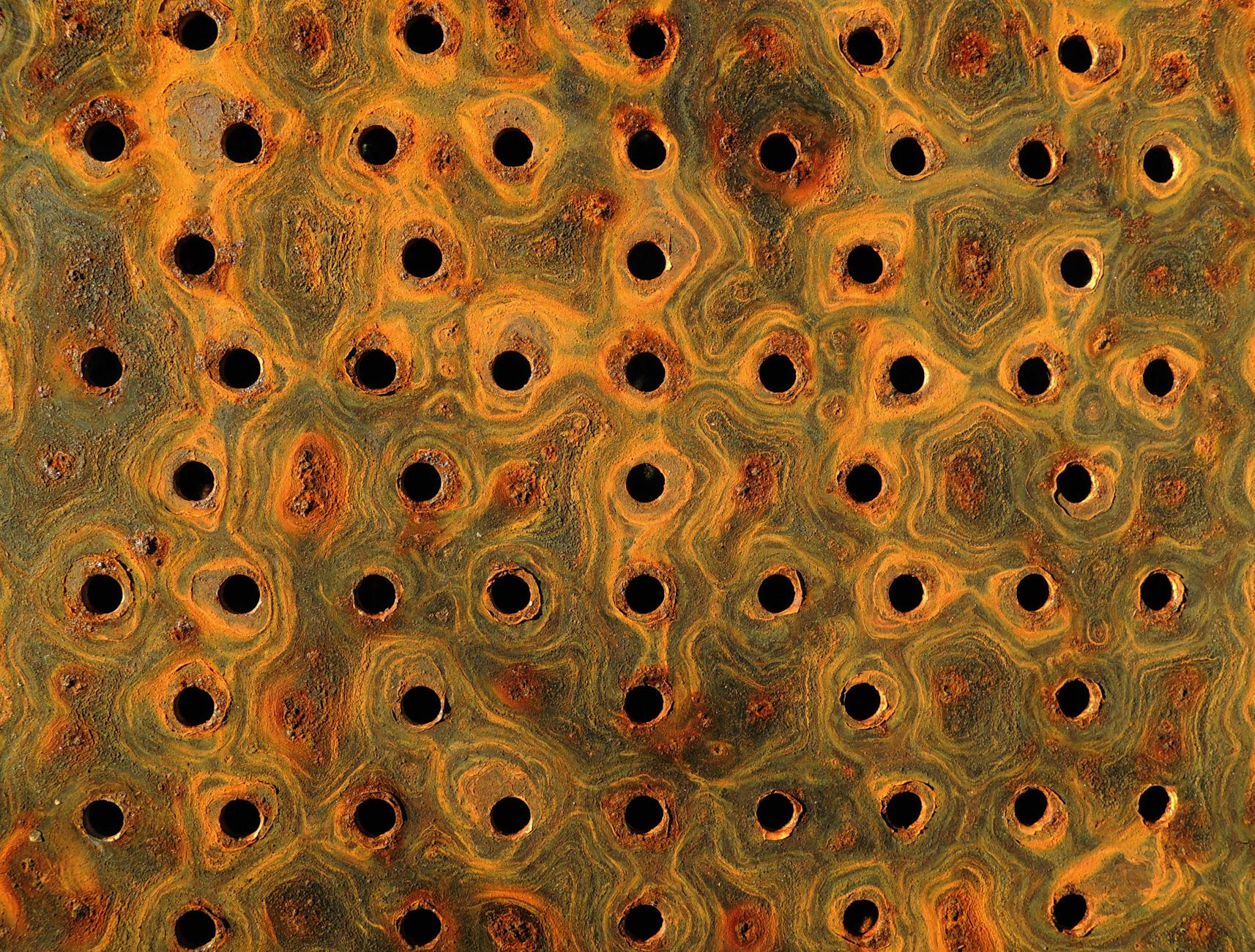
Gold, with its gleaming allure and timeless appeal, has long held a special place among metals. Unlike its peers, gold does not rust or tarnish, a peculiarity that has intrigued scientists for years. Now, researchers have unlocked the mystery behind this enduring shine, attributing it to the metal's intricate atomic structure.
The study, published in the journal Advanced Materials, reveals that gold's atoms are arranged in a unique 'herringbone' pattern. This configuration is unlike the atomic arrangements found in other metals that are prone to oxidation. The herringbone pattern effectively shields the metal from reacting with oxygen, one of the most reactive elements, thus preserving its lustre.
Dr. Emily Carter, the lead researcher, noted, "Gold's atomic pattern creates a natural barrier, preventing the kind of oxidation that leads to rust in other metals." This discovery not only explains why gold remains untarnished over millennia but also highlights its significance in various applications, from jewellery to electronics.
Gold’s non-reactivity in natural and industrial environments has been a well-documented phenomenon. However, the precise atomic mechanism was not fully understood until now. The findings could have implications beyond mere academic curiosity. They could influence the development of new materials that mimic gold's resistance to environmental degradation, potentially leading to advancements in technology and materials science.
As industries continue to seek materials that combine durability with aesthetic appeal, understanding the science behind gold's enduring shine becomes increasingly valuable. This research not only reinforces gold's status as a premier metal but also opens doors to future innovations in materials that require longevity and resistance to wear and tear.