Wildlife Shifts Northward: Conservation Strategies Under Strain
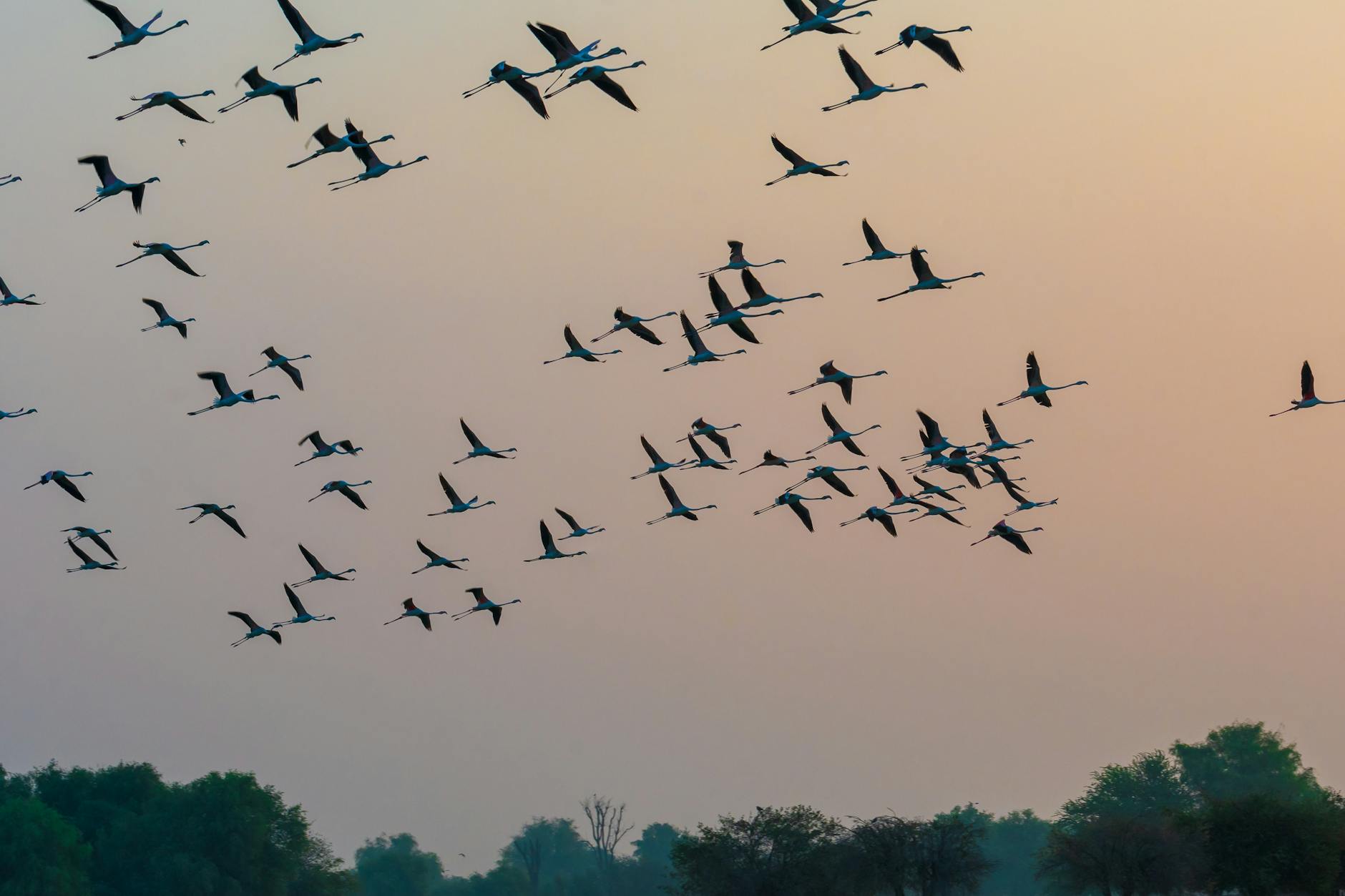
In an era where climatic upheavals are the new norm, the proverbial race of wildlife towards the poles is not just a fanciful notion but a stark reality. Species, in a bid to survive the escalating temperatures, are migrating poleward at an unprecedented pace, leaving scientists and conservationists scrambling to keep the conservation playbook relevant.
The traditional conservation strategies, rooted in preserving static habitats, are beginning to show their age. As temperatures climb and ecosystems transform, the once-reliable methods of safeguarding biodiversity now appear woefully inadequate. Dr. Emily Farrier, a leading conservation biologist, remarks, "We are witnessing a fundamental shift in how ecosystems function. The old rules simply no longer apply."
Adapting to a Moving Target
The migration of species to cooler climates is not just a matter of relocation but a fundamental alteration in ecological dynamics. The implications are vast, affecting everything from food chains to local economies dependent on biodiversity. The need for a new conservation strategy is urgent, one that is as fluid and adaptable as the changes it seeks to manage.
Recent experiments, such as those in Borneo, demonstrate that conservation efforts can no longer be siloed; they must integrate community livelihoods and economic incentives. In Borneo, protecting wildlife has inadvertently helped local communities find sustainable avenues for income, highlighting a potential path forward.
Rewriting the Conservation Playbook
As the ecological landscape transforms, so too must the approach to conservation. This involves not only protecting species but also anticipating their future habitats and establishing corridors that facilitate safe migration. It requires international cooperation, policy changes, and an openness to innovative solutions.
The stakes are high. As Dr. Farrier notes, "We are not just conserving species; we are safeguarding the very fabric of our ecosystems." The challenge is immense, but so too is the opportunity to redefine humanity's relationship with nature in a rapidly changing world.