The Space Industry: Beyond Rockets and Satellites
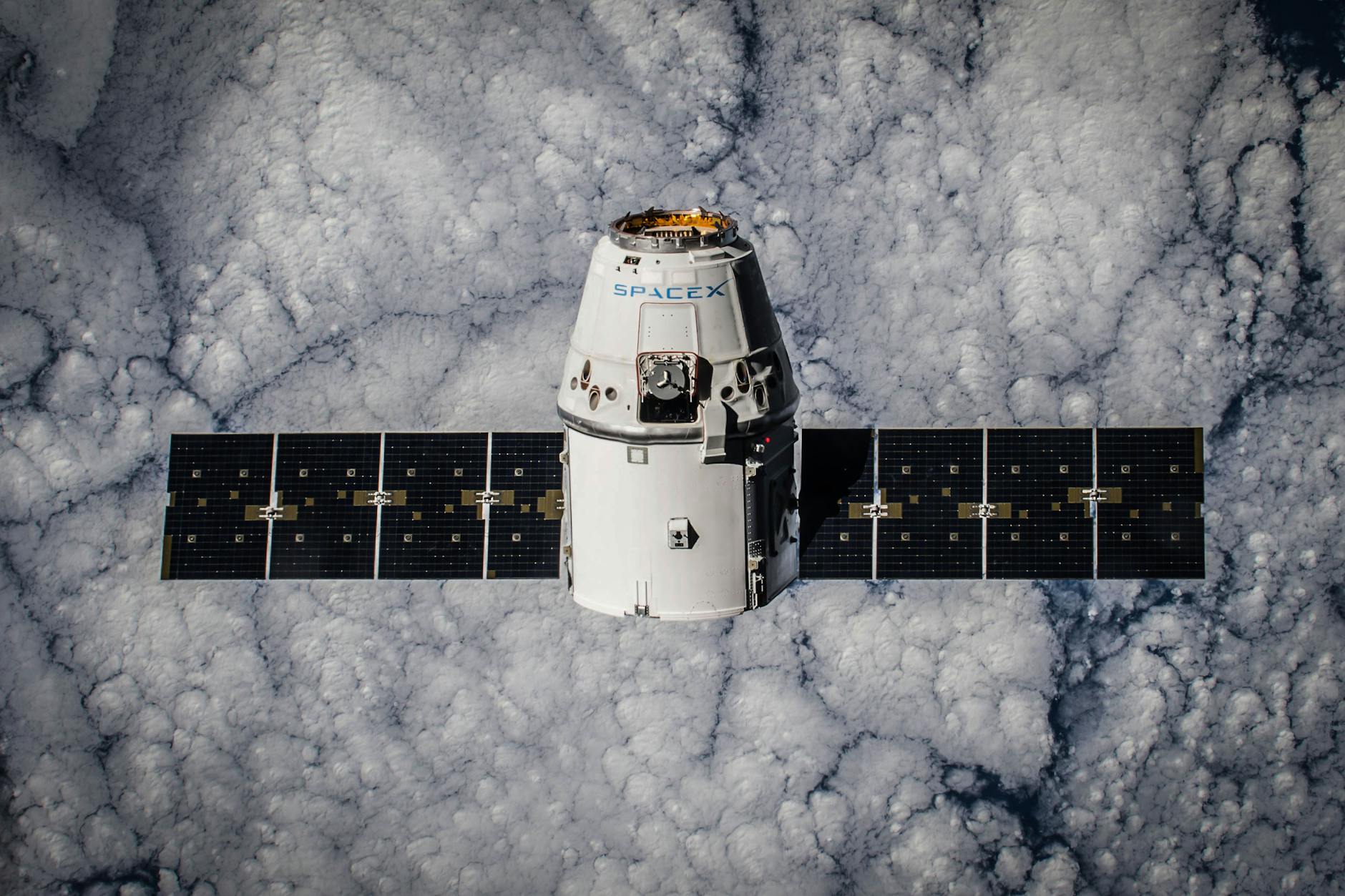
The space industry, once the exclusive domain of government agencies and their hulking rockets, is undergoing a transformation as profound as the universe it seeks to explore. With private companies like SpaceX, Blue Origin, and Virgin Galactic leading the charge, the industry is rapidly expanding its horizons beyond traditional satellite launches.
One might think of the space industry merely as a collection of engineers and scientists tinkering with rockets. However, the reality is far more diverse and complex. Today's space economy includes satellite internet services, space tourism, and even the burgeoning field of space mining. The likes of Elon Musk and Jeff Bezos are not just launching rockets; they are redefining how humans might one day live and work in space.
Investments and Innovations
Investment in space technology has skyrocketed, with billions of pounds flowing into research and development. This financial influx is not just fuelling dreams of interplanetary travel but is also creating tangible benefits for life on Earth. Satellite technology, for instance, is revolutionising communication and navigation, while space-based research contributes to advancements in climate science and agriculture.
The sheer scale of the space economy is staggering. It is a complex web of public and private ventures, each with its own set of challenges and opportunities. Regulatory frameworks are struggling to keep pace with rapid technological advancements, and there is an ongoing debate over the ethical and environmental implications of space exploration.
The Challenges Ahead
Despite its promise, the space industry faces significant obstacles. The cost of launching payloads into space remains prohibitively high, and the risk of space debris poses a growing threat to both manned and unmanned missions. Moreover, the regulatory environment is a patchwork of national and international laws, often lagging behind the pace of innovation.
Yet, the potential rewards are immense. As the industry continues to mature, it promises to open new frontiers not just in exploration but in how we understand and interact with our planet. The next decade could see humans living on space stations, tourists orbiting the Earth, and perhaps even the first steps toward colonising other planets.
In this new space age, understanding the intricacies of the space industry is more important than ever. It is not just about the rockets and satellites; it is about reshaping the future of humanity.