The Struggles Facing India's Education System
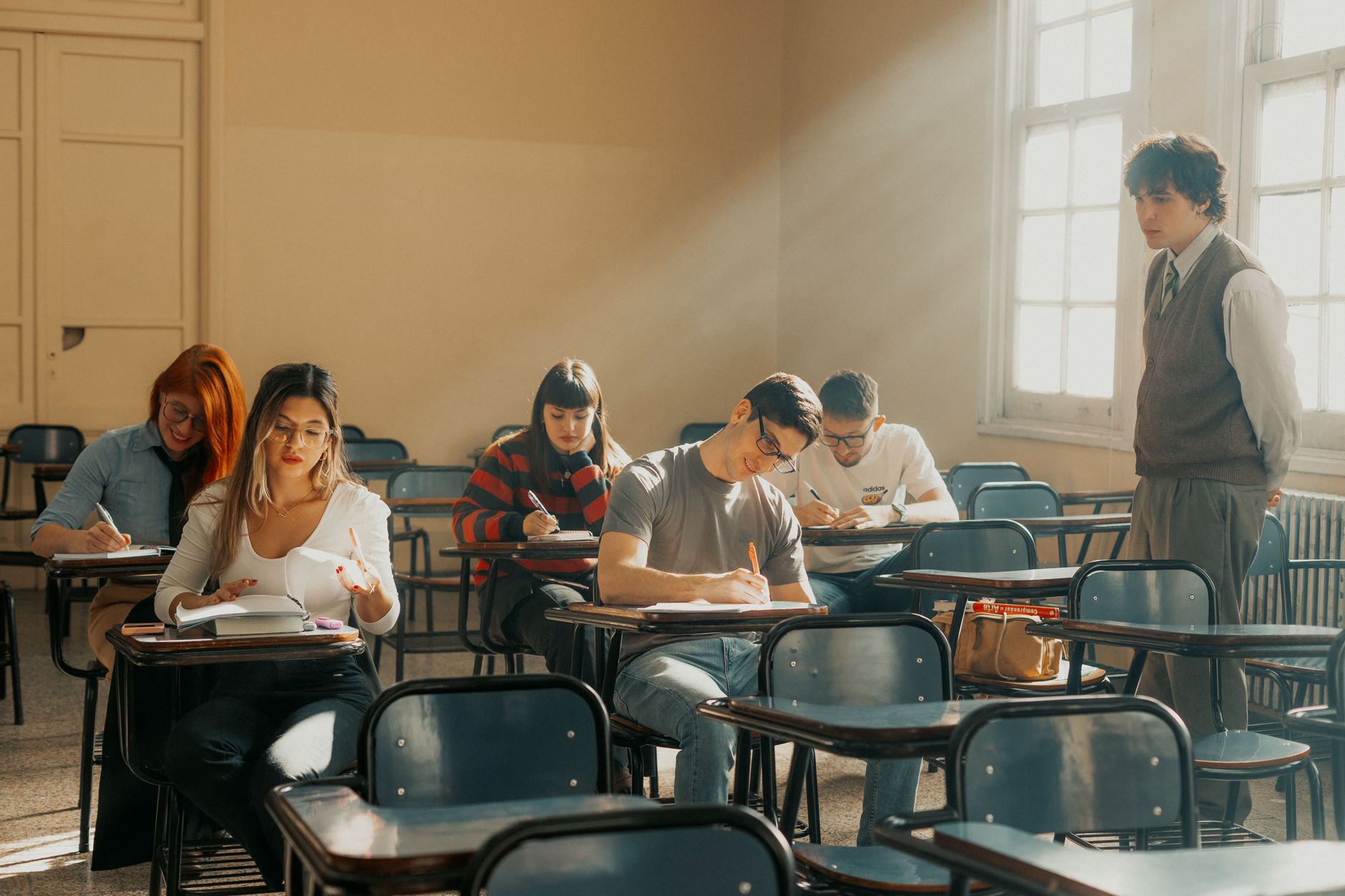
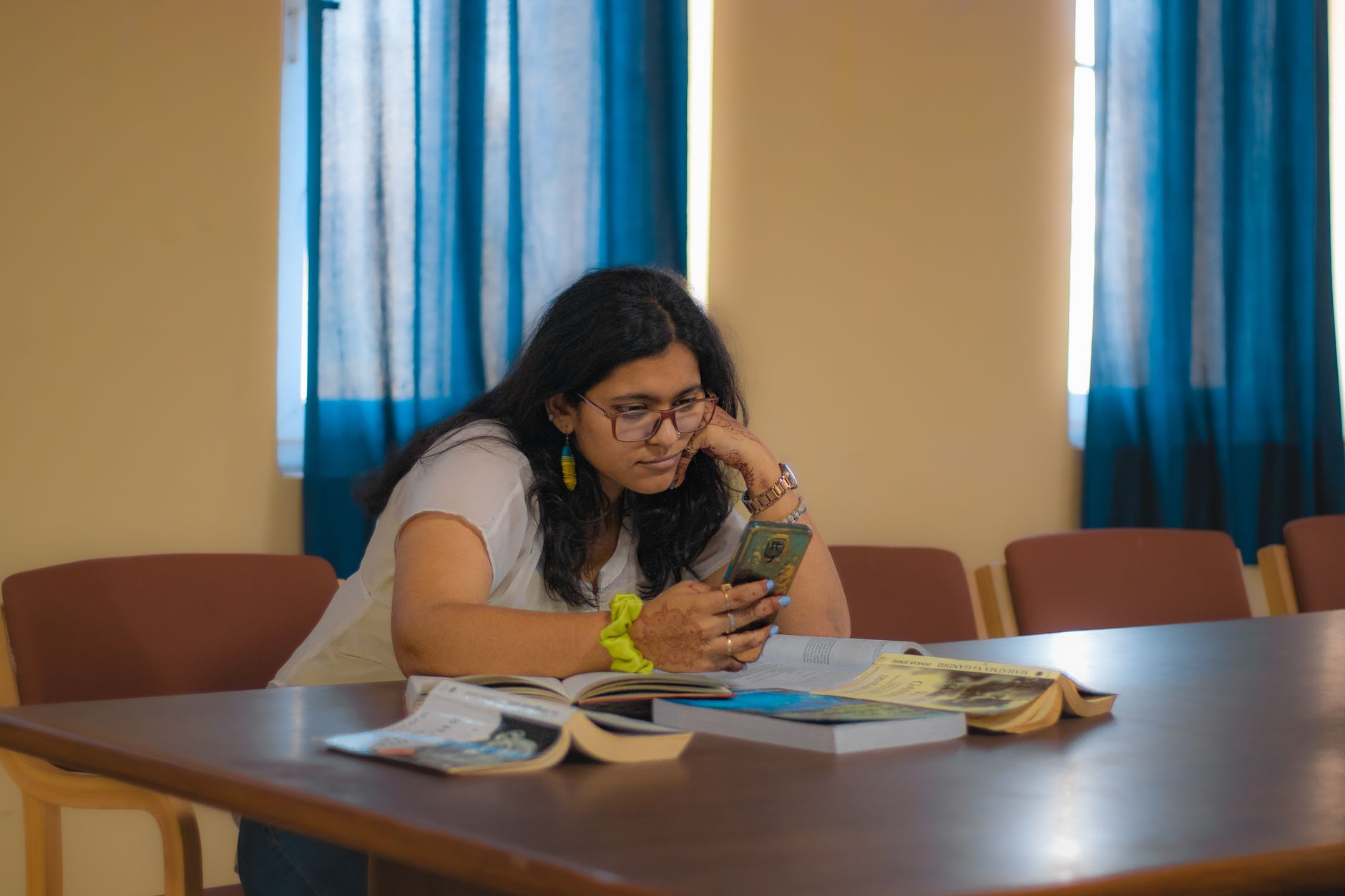
In the bustling corridors of India's schools, a silent struggle persists. Students, burdened with textbooks and a relentless examination schedule, often find themselves questioning the efficacy of an education system that leaves little room for creativity or critical thinking.
The Indian education system has long been criticised for its emphasis on rote learning. Despite various reforms and technological advancements, the focus remains resolutely on memorisation and high-stakes examinations. This approach, many argue, stifles the very creativity and problem-solving skills that the modern world demands.
Exam-Centric Approach
For millions of students, the pressure to perform well in exams overshadows the joy of learning. The annual board exams, akin to a national rite of passage, often determine a student’s future prospects in a society where academic success is highly prized.
But this exam-centric system, critics say, breeds anxiety and leaves little room for practical application of knowledge. The emphasis on grades and rankings means students are often encouraged to memorise rather than understand, with little emphasis placed on subjects like arts or humanities, which are considered less lucrative.
Need for Reform
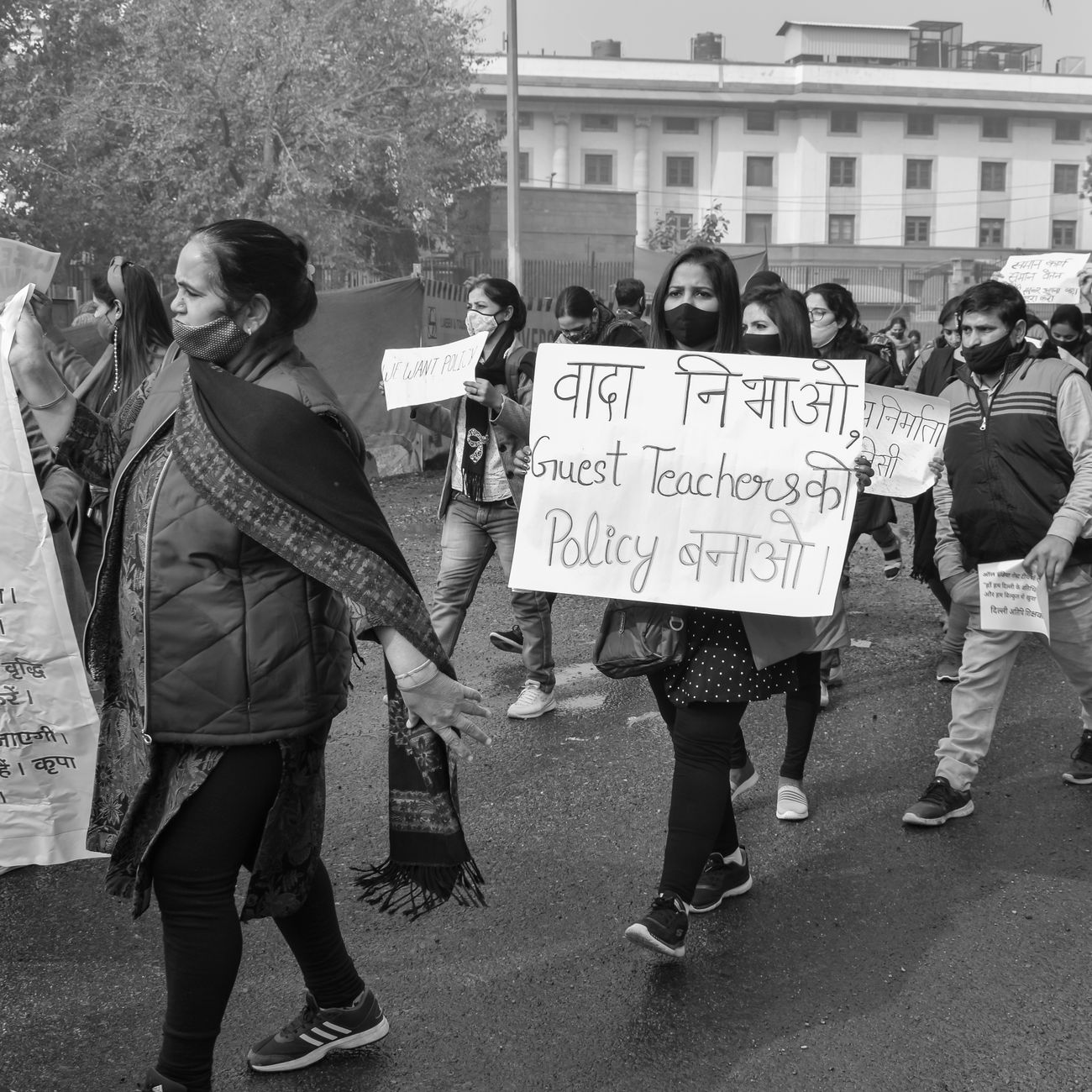
India, home to the largest youth population in the world, faces mounting pressure to reform its educational framework. The government has introduced policies like the National Education Policy 2020, aiming to make education more holistic and skill-oriented. However, the transition from policy to practice remains fraught with challenges.
Experts argue that a shift towards a more balanced approach, incorporating creativity and critical thinking alongside traditional subjects, is essential. Real-world skills, such as collaboration and communication, need to be integrated into the curriculum to prepare students for the demands of the 21st-century workplace.
While the path to reform is undoubtedly complex, the stakes are high. For India to harness the potential of its vast young population, an overhaul of its educational system is not just desirable, but imperative.