The Vital Role of Deep-Sea Sponges in Carbon Cycling
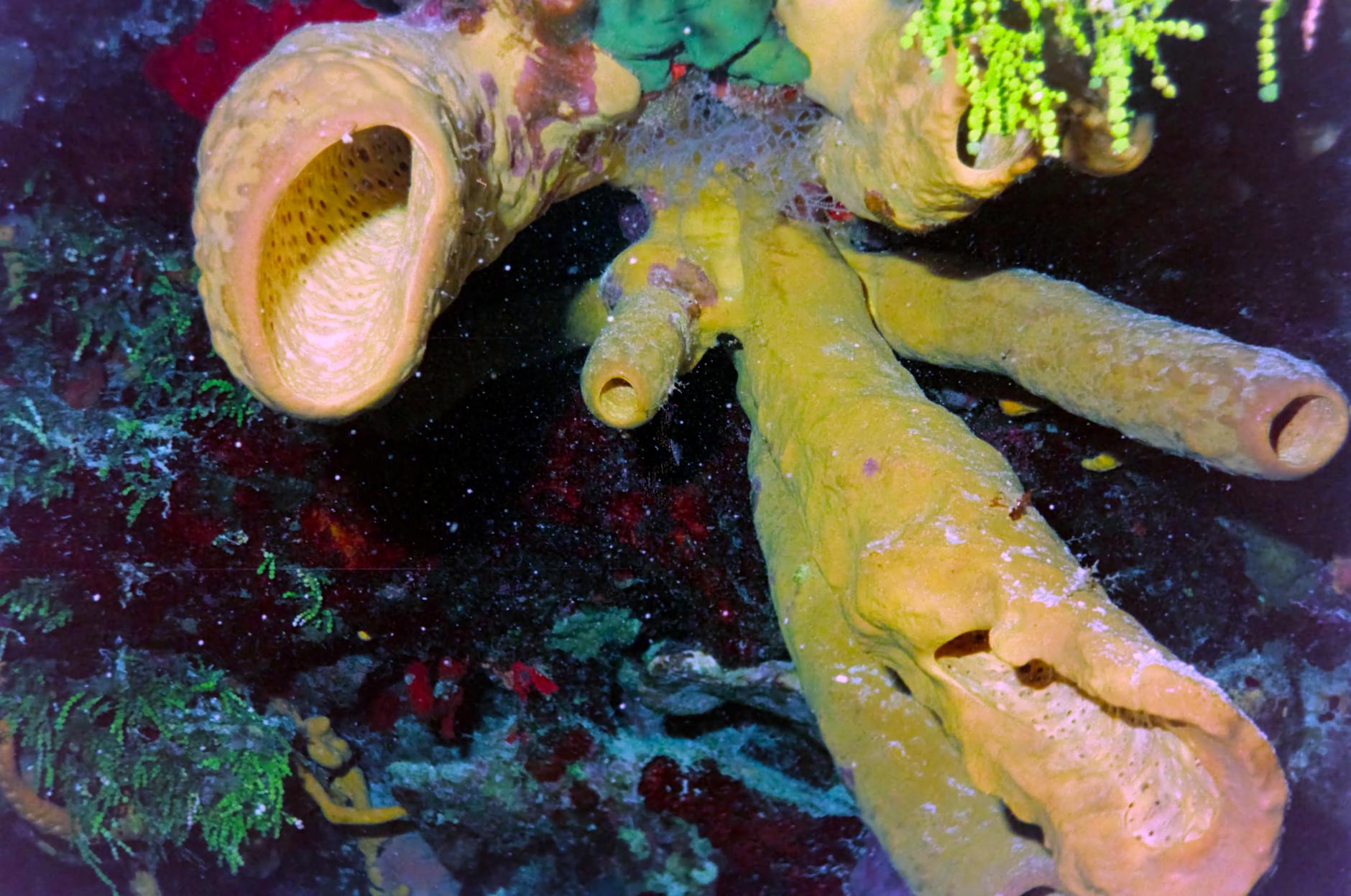
In the shadowy depths of our oceans, hidden from sight and often from mind, deep-sea sponges quietly perform a task of staggering global importance. These unassuming marine organisms, thriving at depths of 830 metres, are not merely passive dwellers of the deep but are active participants in the intricate dance of carbon cycling.
Recent studies have unveiled the fascinating symbiotic relationships between the Calyx species of deep-sea sponges and their microbial partners. Approximately 16% of these partners utilise the process of chemosynthesis, a method allowing them to convert carbon molecules into usable energy without the need for sunlight. This capability is crucial in the nutrient-poor environments of the deep sea, where sunlight cannot penetrate.
The Sponge Loop
These sponges are not solitary operators; they form the backbone of a nutrient network supporting a myriad of other marine organisms. Through a process known as the 'sponge loop', they recycle dissolved organic material, which is subsequently transferred to benthic fauna. This recycling is vital for the sustenance of marine life in otherwise food-scarce regions.
Moreover, the fatty-acid analysis from recent research has confirmed that organic material derived from sponges is transferred to associated fauna, underscoring the sponges' role as a vital food source in deep-sea ecosystems. This transfer not only sustains marine life but also contributes significantly to global biogeochemical cycles.
Implications for Global Ecosystems
While deep-sea sponges may not receive the same attention as their tropical counterparts, their impact is no less significant. By facilitating the transfer of organic material, they indirectly support a diverse range of marine life and help maintain the balance of marine ecosystems.
Understanding the role of these sponges in carbon cycling could have far-reaching implications for environmental conservation efforts. As the climate crisis intensifies, recognising and protecting these crucial components of our ecosystem may prove pivotal in our efforts to mitigate its effects.