Top 10% Consumers' Environmental Impact Overshadows Global Funding Needs
When considering the environmental impact of consumers, it is not the average shopper but rather the top 10% whose habits demand scrutiny. This affluent segment is responsible for ecological damages that eclipse the funding gaps required for climate and biodiversity efforts. Their consumption patterns, driven by considerable wealth, pose a significant threat to global sustainability.
Recent studies highlight that the environmental damage bill attributable to this elite group exceeds the economic output of many countries. Notably, in the United States, the financial burden per individual within this demographic ranges from $19,000 to $63,000 annually, accounting for a substantial portion of their income. These figures starkly contrast with nations like Egypt, where the same damages are estimated at a mere $266 to $852 per person.
Counting the Costs
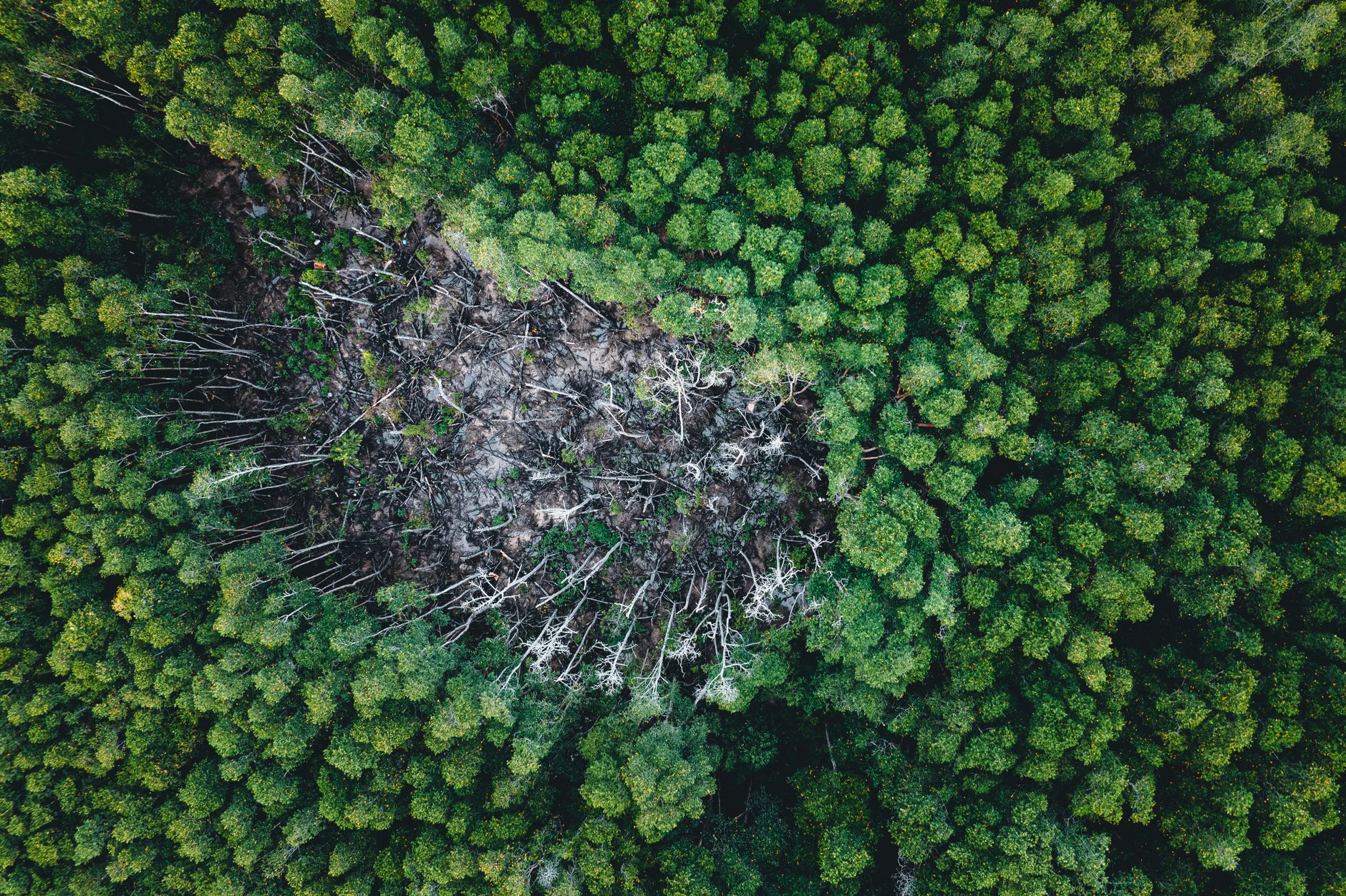
The two primary culprits behind this financial weight are biodiversity loss, contributing to 47-56% of the total damage, and climate change, accounting for 36-45%. The skewed distribution of responsibility suggests that the top 10% are not just passive participants in these issues but active contributors. Their lifestyle choices, from frequent flying to luxury consumption, have far-reaching consequences.
Experts argue that implementing environmental taxes targeting this group could serve multiple purposes. Such measures would not only generate revenue for sustainability transitions but also encourage a shift in consumption patterns, potentially fostering a more equitable distribution of environmental impacts.
Policy Implications
The idea of taxing the wealthy for their environmental footprint is not entirely new. However, what this research underscores is the scale of impact such a policy could have. By addressing the disproportionate damage caused by the wealthiest, governments could take a significant step towards closing the funding gaps in climate and biodiversity initiatives.
Ultimately, the challenge remains in balancing economic incentives with environmental responsibilities. As the world grapples with the pressing demands of climate change and biodiversity loss, the role of the global elite in driving these crises cannot be overlooked. Their potential to contribute to solutions, however, remains untapped, waiting for a decisive policy shift.