Top 10% Consumption Costs Environment $5.7 Trillion Annually
In a striking revelation, a study by the Energy and Climate Intelligence Unit (ECIU) has found that the top 10% of the world's consumers are responsible for environmental damage costing a staggering $5.7 trillion annually. This figure dwarfs the GDPs of most nations, highlighting the profound impact of excessive consumption on our planet.
The term 'mega-consumers' refers to those who consume the most food and energy. They primarily reside in the wealthier nations, where consumption patterns are driven by a combination of affluence and lifestyle choices. These individuals are not just statistical anomalies but represent a systemic issue within our global economic framework.
The Cost of Excess
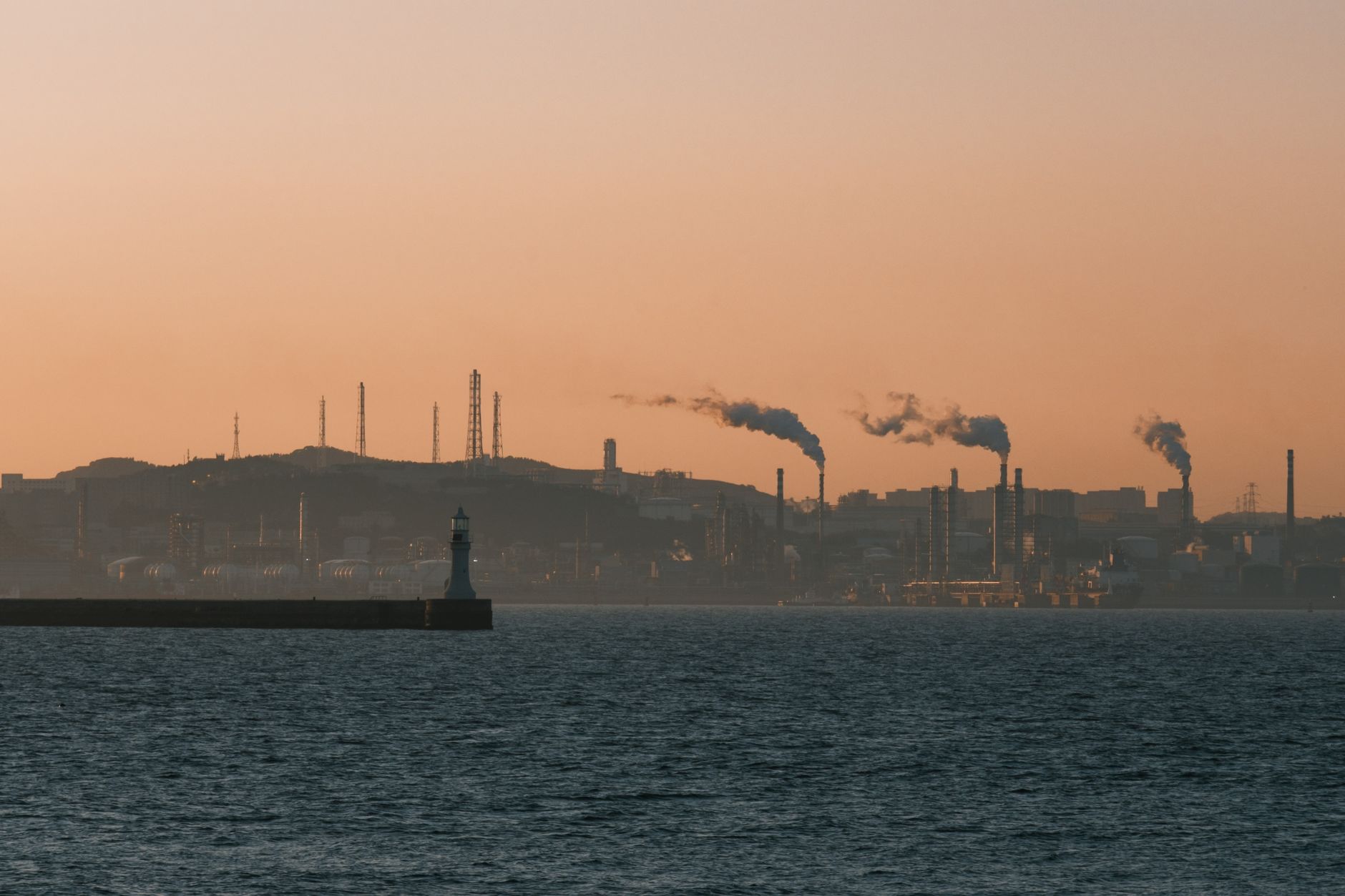
According to the study, the environmental cost incurred by these mega-consumers is on par with the economies of the world's largest countries, barring the United States and China. The environmental degradation encompasses a wide array of issues such as deforestation, water pollution, and greenhouse gas emissions. Each of these has far-reaching implications, potentially altering ecosystems and exacerbating climate change.
The findings underscore the urgent need for policy interventions that promote sustainable consumption patterns. Without significant changes, the environmental and economic consequences could be catastrophic, affecting not only biodiversity but also human livelihoods, particularly in vulnerable regions.
Global Inequality and Resource Distribution
Interestingly, the study also highlights the stark contrast in resource consumption between different socio-economic groups. While the wealthiest 10% are responsible for a disproportionate amount of environmental harm, the remaining 90% of the population bears the brunt of the consequences, often without access to adequate resources themselves.
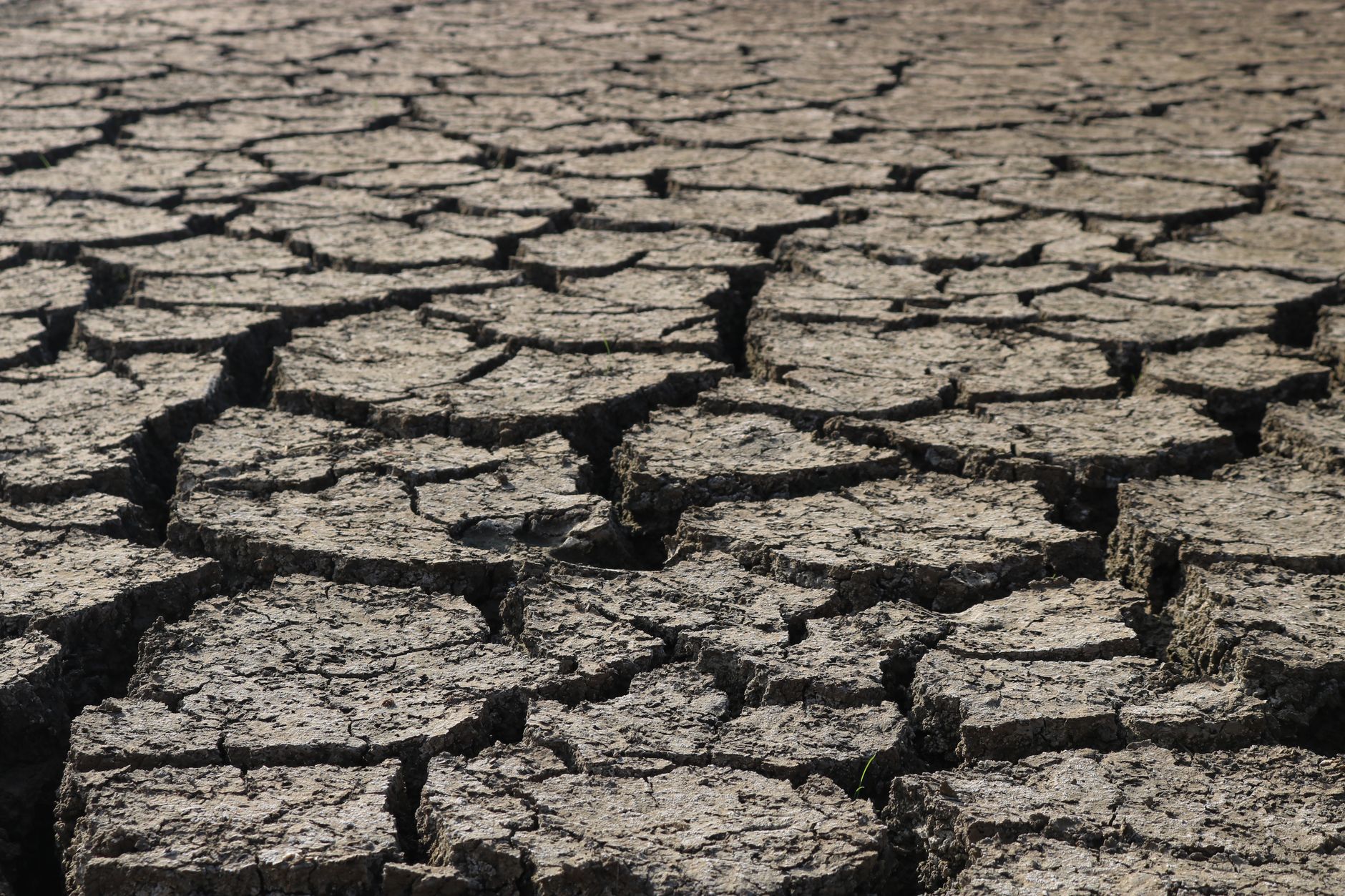
In countries like India, the effects of such inequality are evident. Indian farm workers, for instance, lose approximately 81 working days annually due to heat stress, a direct consequence of climate change exacerbated by excessive consumption elsewhere. This not only impacts their livelihoods but also underscores the need for urgent action to address global resource imbalances.
The ECIU report calls for a re-evaluation of current consumption models and suggests that policymakers focus on equitable resource distribution and sustainable practices. The responsibility does not lie solely with governments; individuals, too, must reconsider their consumption habits.
As the world grapples with environmental challenges, this study serves as a stark reminder of the urgent need for change. The question remains: Can we alter our consumption patterns before it is too late?