Top 10% of Consumers Cost Environment $5.7 Trillion Annually
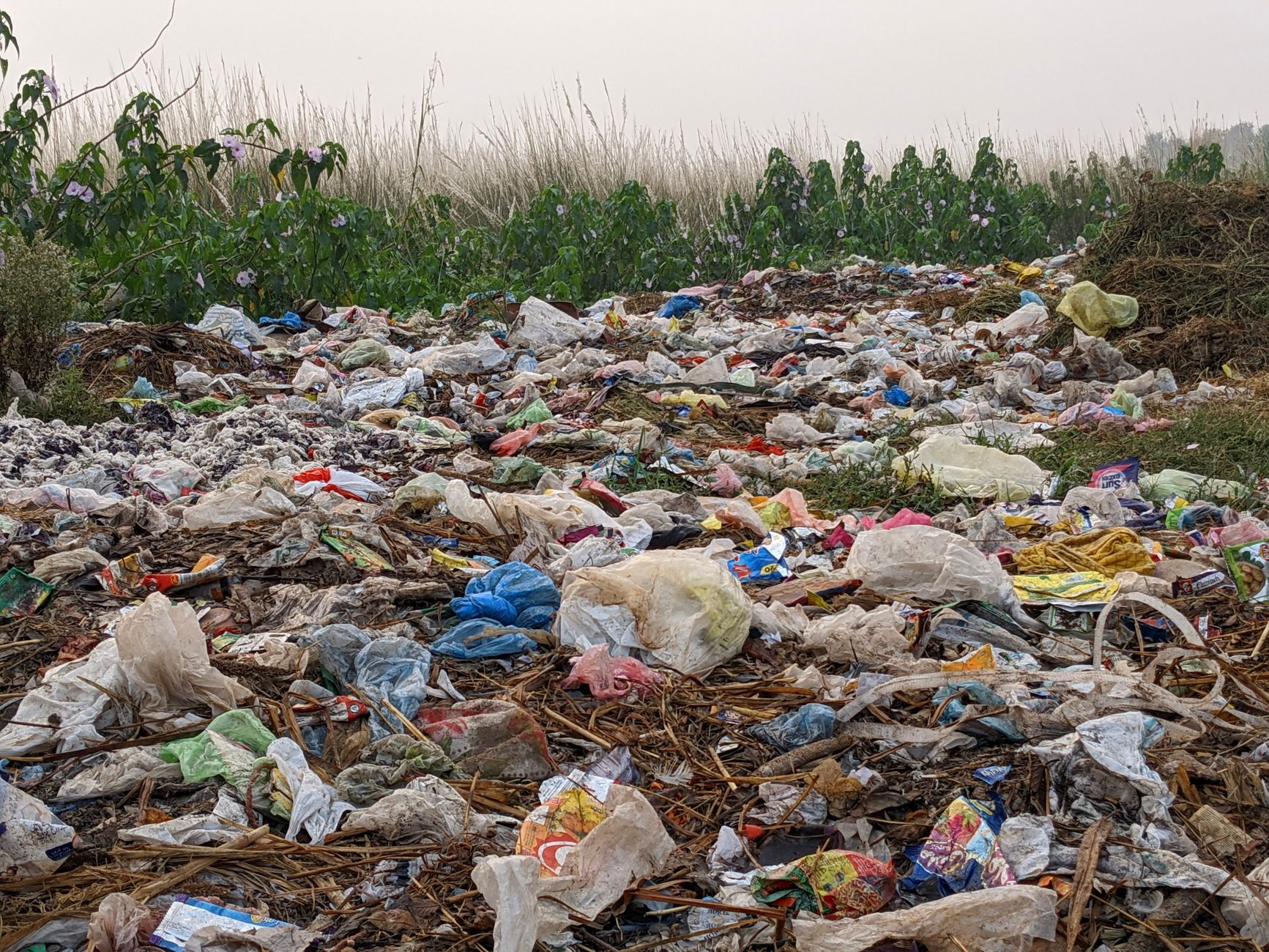
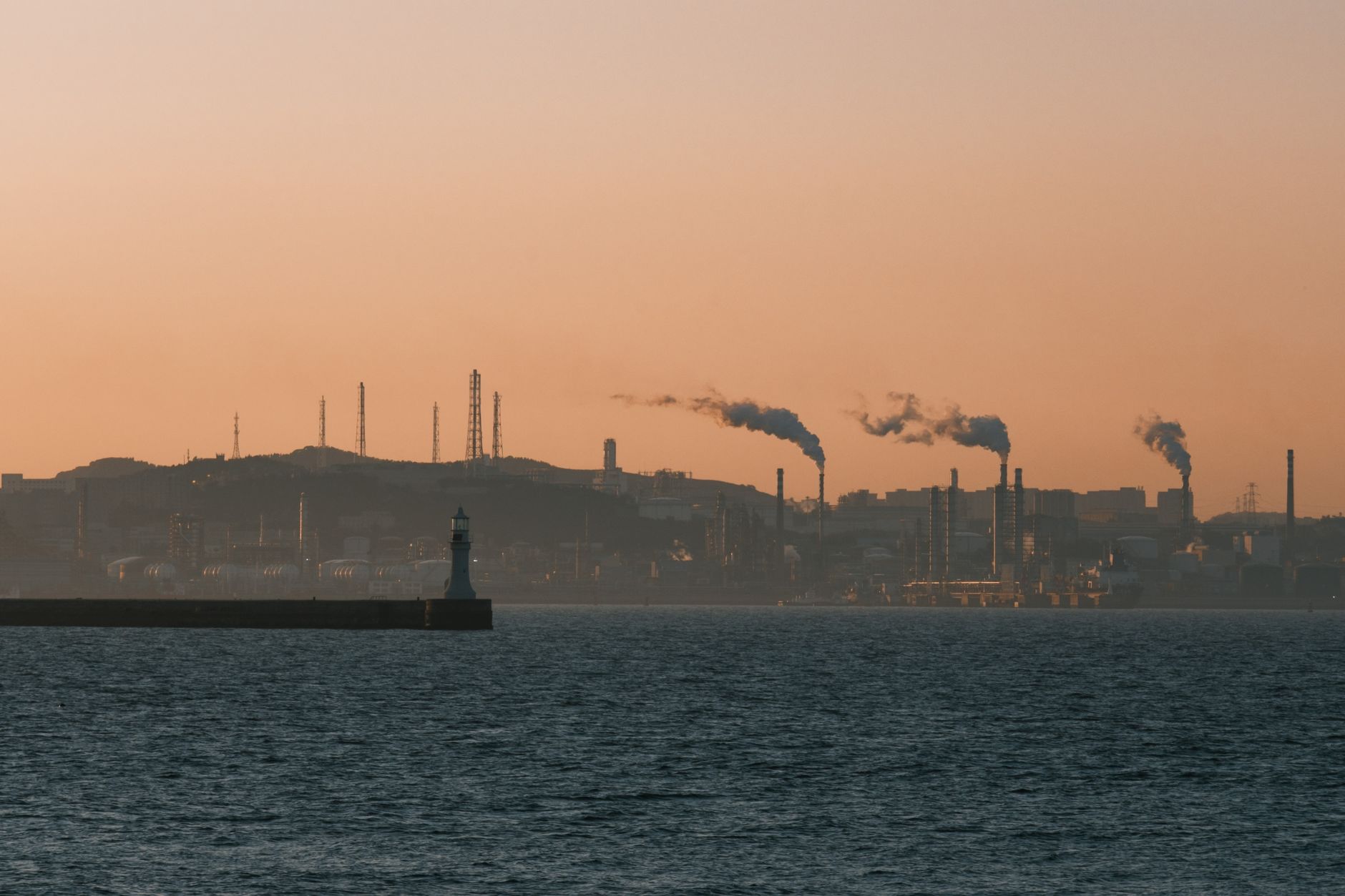
The world's wealthiest 10% of consumers are inflicting an extraordinary burden on our planet, according to a recent study by researchers from Leiden University and Oxford University. These 'mega-consumers', primarily residing in the United States and Europe, generate up to $5.7 trillion in environmental damage each year. This staggering figure surpasses the Gross Domestic Product of most countries, bar the very largest economies.
The study, published in a respected scientific journal, highlights the disproportionate impact of affluent lifestyles on climate change and biodiversity loss. The authors argue that the consumption patterns of this elite group, especially their appetite for meat, dairy, and energy, are significant contributors to environmental degradation.
The Environmental Burden
While the global conversation often centres on sustainable development and climate justice, this research underscores a stark reality: the environmental costs are not evenly distributed. The top 10% of consumers account for more harm than the combined international funding for climate and biodiversity protection. Such a disparity calls into question the effectiveness of current global efforts to combat climate change.
Need for Policy Reforms
The study's authors suggest that addressing this imbalance requires more than just raising awareness. It demands robust policy interventions and a reevaluation of economic incentives that currently favour excessive consumption. Tax reforms, stricter regulations on emissions, and greater investments in sustainable alternatives are among the measures proposed to curb the environmental impact of the world's wealthiest.
Ultimately, the findings serve as a sobering reminder of the urgent need to rethink global consumption patterns. As the planet faces unprecedented environmental challenges, the actions of the few could very well determine the fate of the many.