Top 10% of Consumers Responsible for Trillions in Environmental Harm
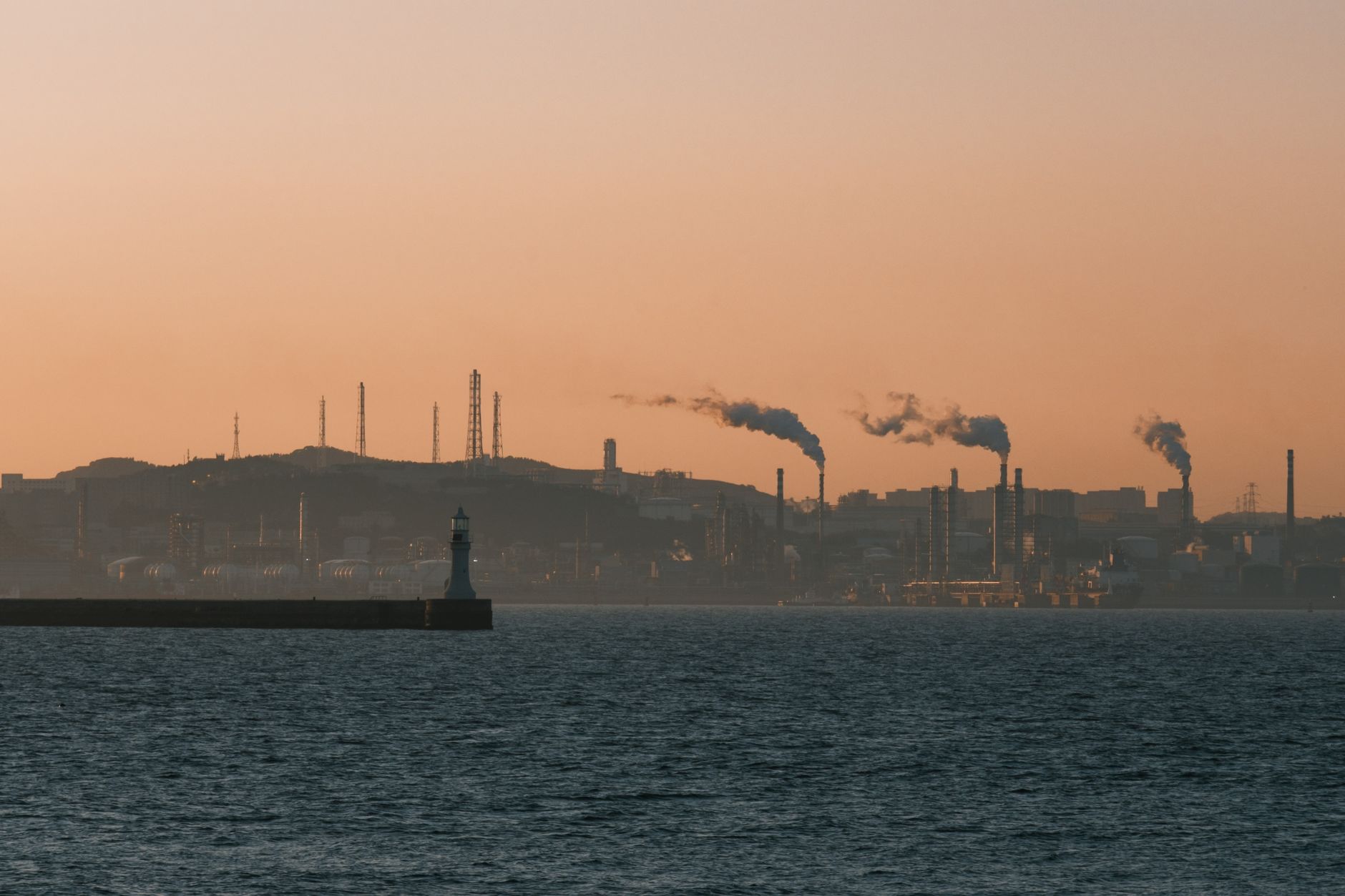
In a striking revelation, a recent study has laid bare the colossal environmental damage wrought by the world's wealthiest 10% of consumers. This affluent cohort, whose consumption patterns are often characterised by luxury and excess, is responsible for environmental harm valued between $1.7 trillion and $5.7 trillion annually. The study underscores the disparity in environmental impact between the world's rich and poor, highlighting the urgent need for policy interventions.
The study's findings are particularly disconcerting given the ongoing global climate crisis. As nations scramble to mitigate the effects of climate change, the disproportionate impact of the wealthiest consumers threatens to undermine these efforts. The study points out that many of these high-impact consumers reside in developed regions such as the United States and the European Union, where lifestyle choices contribute significantly to greenhouse gas emissions and resource depletion.
The Global Divide
The data reveals a stark global divide. While the top 10% enjoy the benefits of their consumption, often with little immediate consequence to their daily lives, the environmental costs are borne disproportionately by poorer nations. These countries, which contribute the least to climate change, suffer the most from its effects. This inequity poses moral and practical challenges for policymakers attempting to craft fair and effective environmental strategies.
Experts suggest that tackling this issue requires a multifaceted approach. Increased taxation on luxury goods, incentivising sustainable practices, and enhancing public awareness about the environmental impact of individual actions are potential pathways to address the imbalance. However, any solution must be carefully calibrated to avoid undue economic disruption.
Looking Ahead
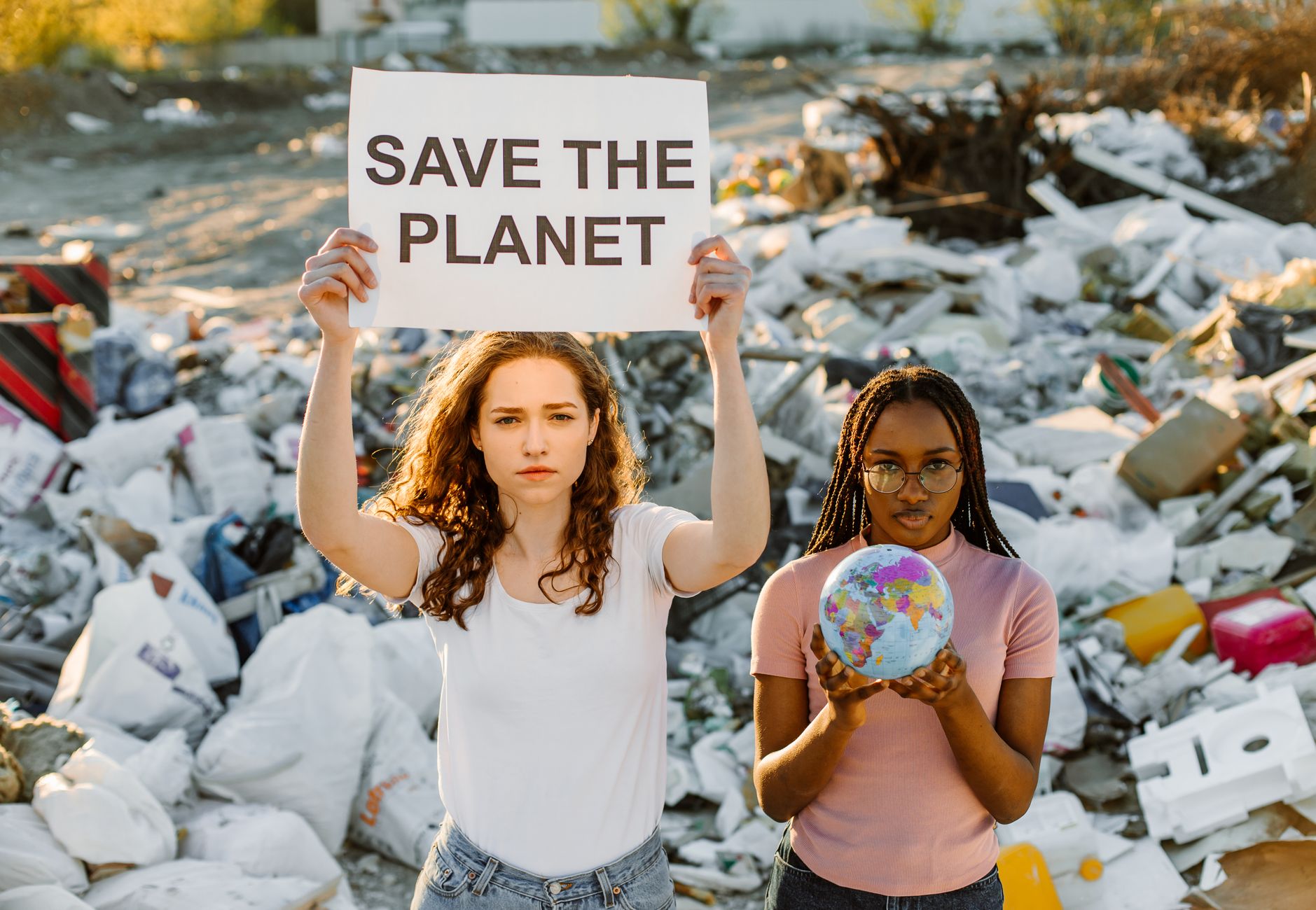
As the world inches closer to critical climate thresholds, the role of the wealthiest in contributing to environmental damage cannot be ignored. The study's findings serve as a clarion call to governments and individuals alike to re-evaluate consumption habits. For real progress, the focus must shift from merely addressing the symptoms of climate change to tackling its root causes.
In the face of this daunting challenge, the message is clear: if significant reductions in environmental harm are to be achieved, the world's top consumers must play their part in the solution. The road ahead is fraught with difficulties, but with concerted effort and a commitment to change, there is hope for a more sustainable future.