Top 10% of Consumers Wreak Havoc on Environment, Study Reveals
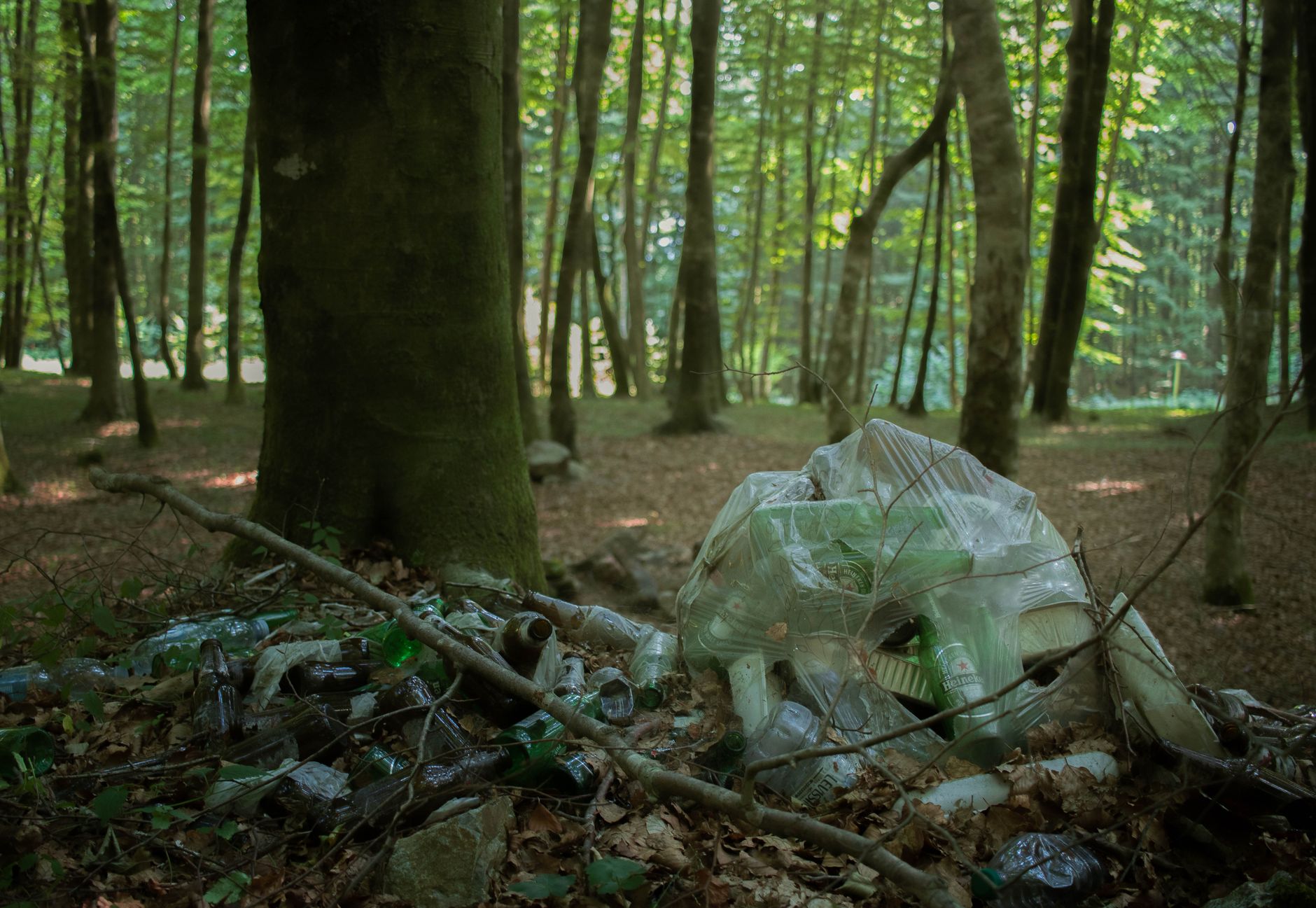
In a world where excess often goes unchecked, a new study has thrown a glaring spotlight on the environmental toll exacted by the wealthiest segment of global consumers. The research, conducted by Leiden University and Oxford University, reveals that the top 10% of consumers are responsible for an astonishing $5.7 trillion in environmental damage annually. This figure dwarfs the economic output of all but the largest global economies.
The study finds that these 'mega-consumers', primarily located in the United States and Europe, are driving significant climate and biodiversity destruction. It’s not just their appetite for energy that's the problem; their consumption patterns, particularly regarding food—meat and dairy chief among them—carry a heavy environmental cost.
The Cost of Excess
To put this into perspective, the damage attributed to this elite group surpasses the combined international funding for climate and biodiversity preservation. The researchers underscore the irony: those contributing the least to these funds are the ones most responsible for the damage.
The findings raise uncomfortable questions about the sustainability of current consumption practices among the world's wealthiest. While the global conversation often centres on the need for developing nations to curb emissions, this study suggests that the spotlight should also be on the affluent, whose lifestyles are proving unsustainable at a planetary scale.
Implications for Policy
As the climate crisis deepens, policymakers are urged to consider measures that address the disproportionate impact of high-consumption lifestyles. The study advocates for policies that promote sustainable consumption and equitable resource distribution, warning that without them, the environmental debt could become insurmountable.
In an era where climate change is one of the most pressing challenges, this study serves as a sobering reminder that the burden of change should not rest solely on the shoulders of the less affluent. The wealthiest must also reconsider their consumption choices if the planet is to be preserved for future generations.