Tracing the Human Fingerprints on Extreme Weather
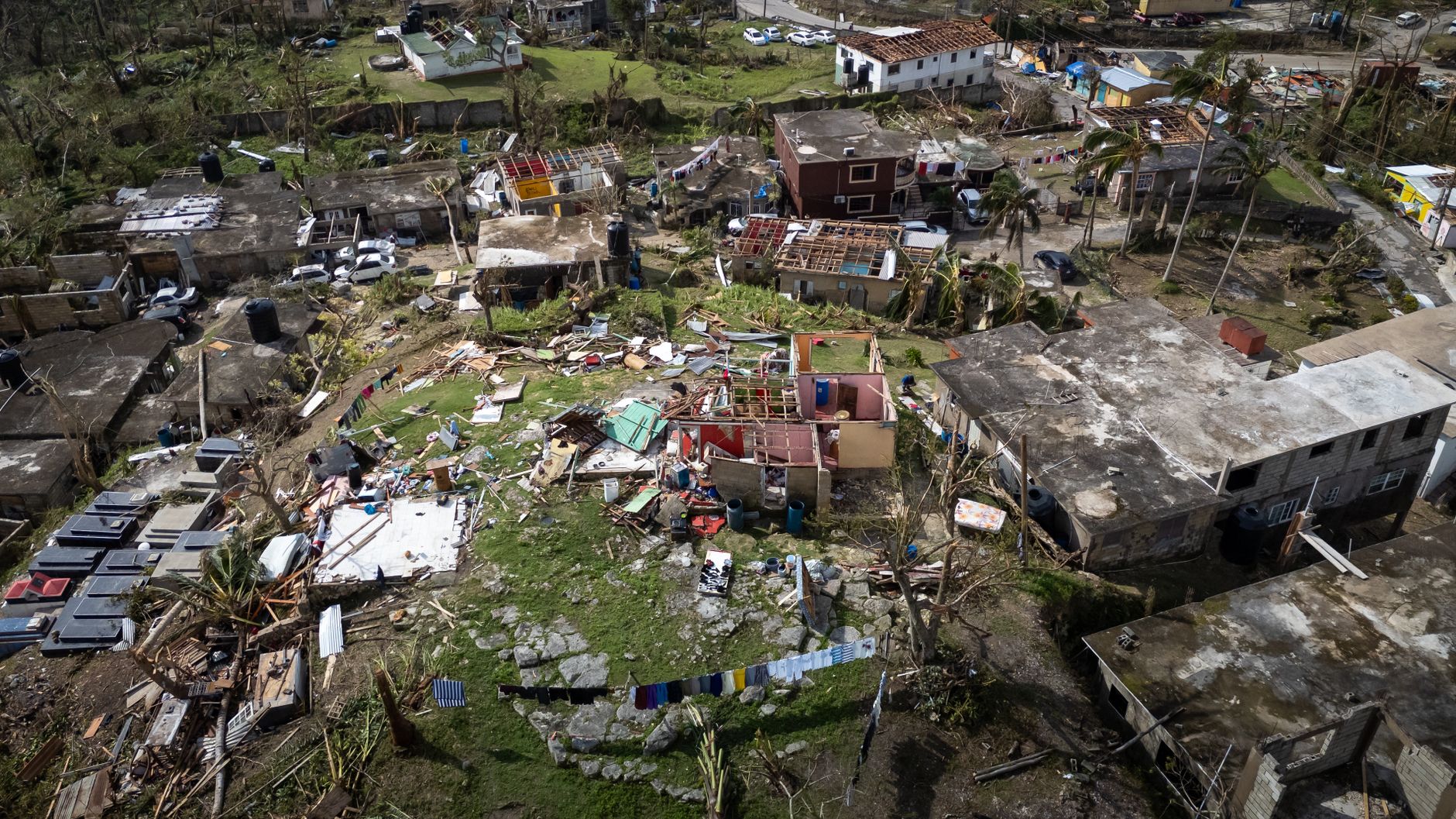
When the skies darken ominously and the winds howl with fury, it's easy to dismiss these as quirks of nature. Yet, behind the curtains of clouds and chaos, a more deliberate story unfolds — one where human activity plays a starring role.
The science of attribution studies has emerged as a pivotal tool in climate science, unravelling the threads of human influence woven into the fabric of extreme weather events. Spearheaded by the pioneering work of scientists like Myles Allen, this field has evolved from its nascent beginnings in the early 2000s to a robust discipline that quantifies human impact on climate systems.
Unmasking the Culprit
Through a combination of climate models and observational data from land, sea, air, and even space, scientists can now pinpoint how much more likely or severe an event has become due to human interference. This was starkly illustrated in the case of the 2019 European heatwave, where studies concluded that climate change made its occurrence at least ten times more probable. Such findings are not mere academic exercises; they provide concrete evidence linking our industrial activities to the planet's increasing volatility.
However, the science is not without its complexities. While some events, like heatwaves and hurricanes, display clear human fingerprints, others, particularly certain rainfall patterns, remain stubbornly ambiguous. This underscores the intricate dance between natural variability and anthropogenic influence, a relationship that scientists continue to explore with ever-improving precision.
More Than Just Numbers
Understanding the human role in weather extremes is more than a scientific curiosity; it is a clarion call for policy action. As public awareness grows, so does the support for climate policies aimed at mitigation and adaptation. Policymakers find themselves at a crossroads, armed with data that demands urgent action to curb emissions and bolster resilience against future shocks.
The implications of attribution science are profound. It not only clarifies the consequences of our actions but also empowers societies to make informed choices. In a world where the lines between human and natural influences blur, the clarity offered by this field is invaluable. As we stand on the precipice of climate uncertainty, understanding these connections becomes not just an academic endeavor but a societal imperative.