Tracing the Threads: How Human Activity Fuels Extreme Weather
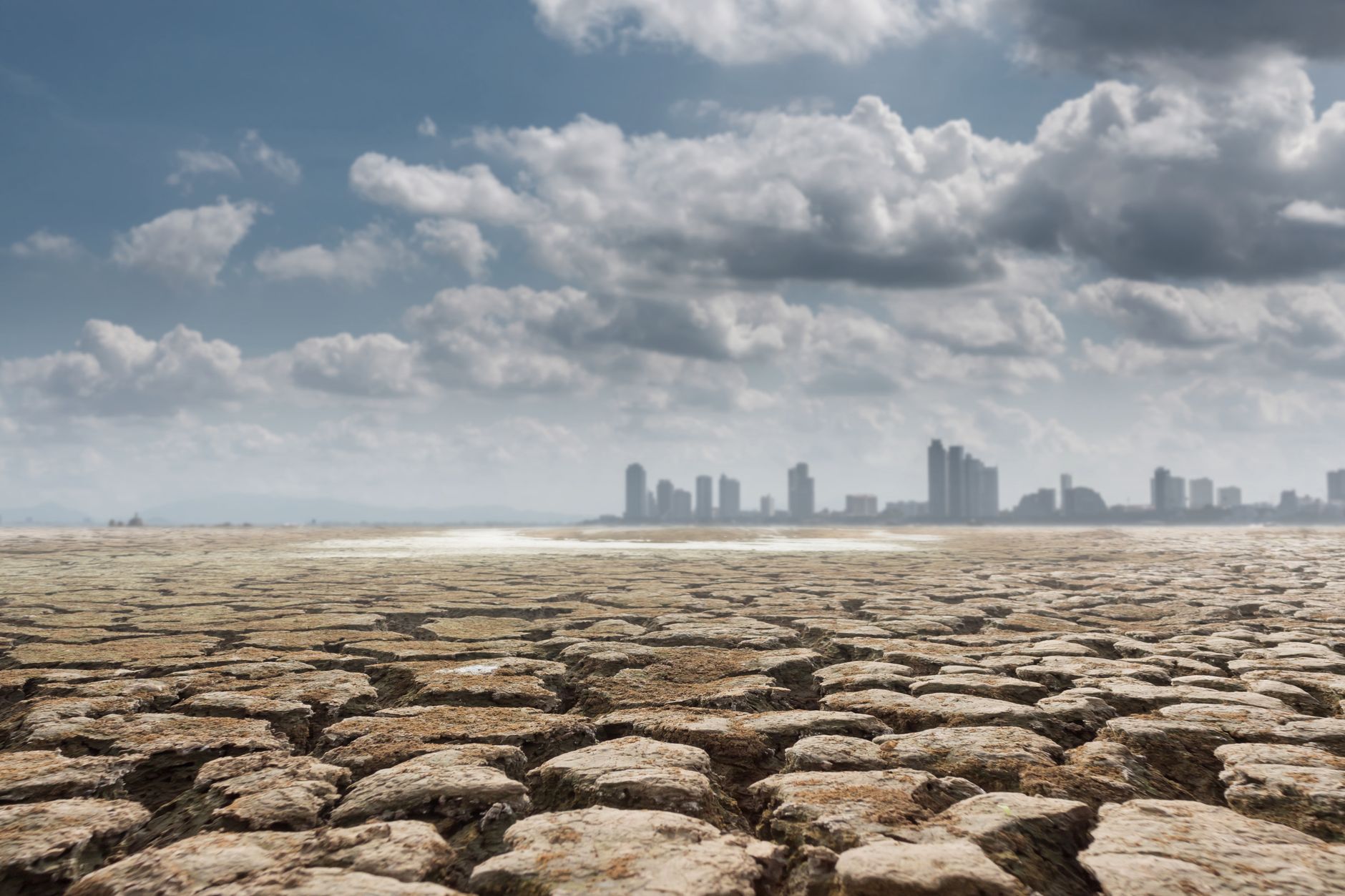
It was a summer unlike any other. As temperatures soared across regions known for their mild climates, scientists watched with a mix of fascination and alarm. What was once considered a rare meteorological anomaly has now become a frequent occurrence, and the culprit is increasingly clear: human activity.
For years, the link between human-induced climate change and extreme weather events was shrouded in uncertainty. Scientists would tread cautiously, often stating that while specific events couldn't be directly attributed to climate change, they were consistent with expected patterns. However, the advent of attribution studies has changed this narrative.
Decoding the Patterns
Attribution studies, a burgeoning field of climate science, delve into the intricate dance between human activity and extreme weather. By employing a blend of climate models and historical data, researchers can dissect how and why these events are occurring with such alarming frequency.
Consider the blistering heatwaves gripping vast swathes of Europe and North America. Decades ago, such extremes were statistical outliers, affecting less than 1% of the Earth's land surface. Today, they scorch over 10%, a shift that scientists attribute to a 1.3°C rise in global temperatures.
The Human Fingerprint
This new scientific approach allows researchers to quantify the human influence on weather events. For instance, the likelihood of a devastating flood or a catastrophic hurricane can now be assessed with a degree of certainty unimaginable a mere decade ago.
But why does this matter? As Professor Jane Goodall succinctly puts it, "Understanding the human role in these phenomena is crucial if we are to mitigate future risks and adapt to our changing reality." The implications of these findings stretch beyond academia, prompting policymakers to reconsider infrastructure, disaster preparedness, and carbon emissions.
Amidst these revelations, the stories of those on the frontline of climate change become ever more poignant. From farmers in drought-stricken regions to coastal communities bracing against rising seas, the human cost of extreme weather is both immediate and profound.
As attribution studies continue to evolve, they serve not just as a tool for scientific inquiry, but as a clarion call for action. The evidence is clear: our planet is changing, and we must change with it.