Transforming Education: KGBV Scheme Empowers Girls in Uttar Pradesh
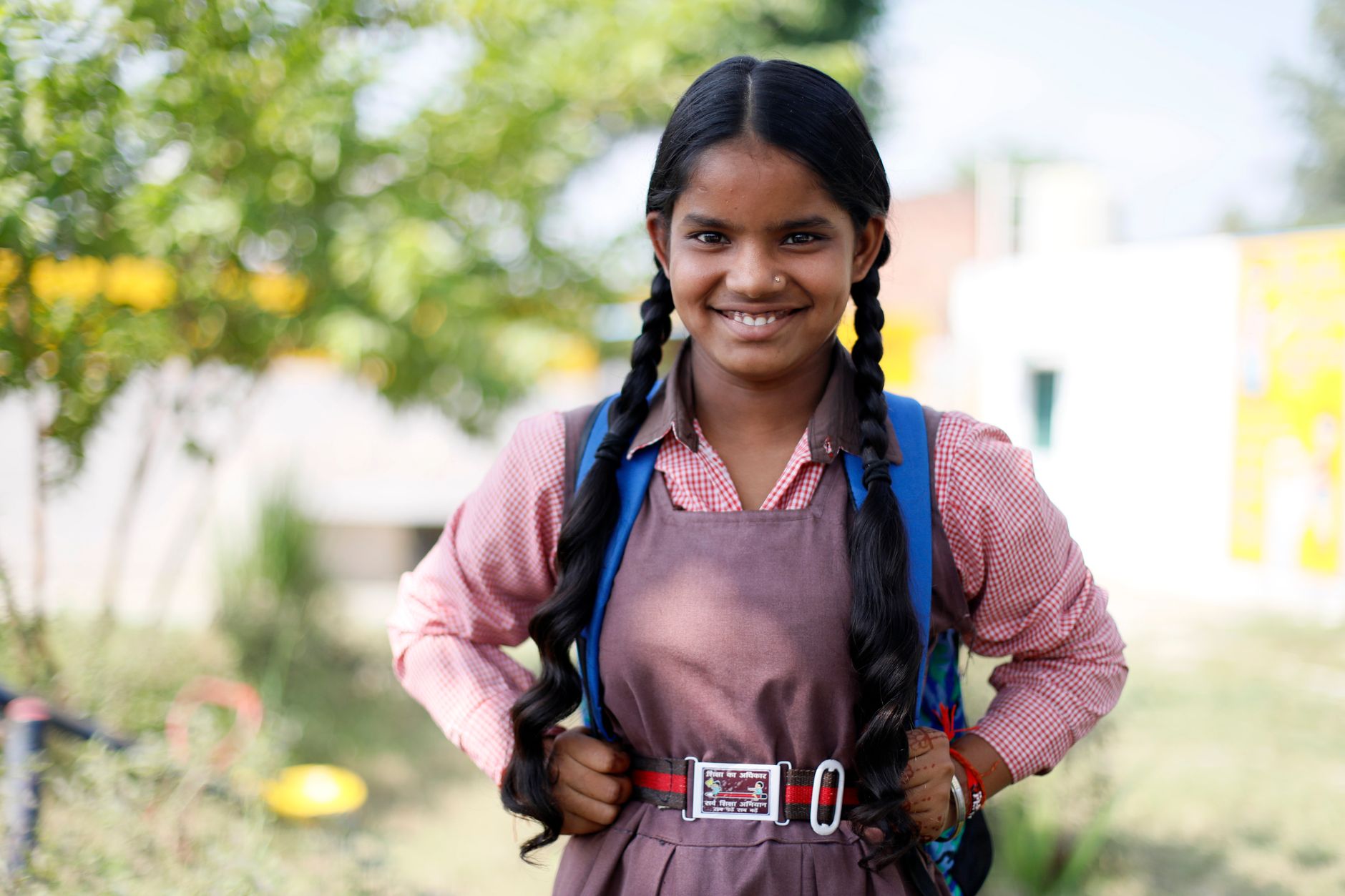
In the sun-drenched fields of Uttar Pradesh, a quiet revolution is taking place. The Kasturba Gandhi Balika Vidyalaya (KGBV) scheme, launched in 2004, is changing the educational landscape for girls in some of India’s most disadvantaged communities. With 746 schools established across the state, this initiative is offering a lifeline to over 78,500 girls, many of whom would otherwise face a life of limited opportunities.
A Vision for Inclusive Education
The KGBV scheme was conceived to bridge the educational divide in regions where female literacy rates lag behind the national average. Targeting Educationally Backward Blocks (EBBs), these residential schools provide education from Class VI to XII. The focus is not merely on academic learning but also on the holistic development of the students, equipping them with the skills necessary to break free from the shackles of poverty and gender inequality.
For many of these girls, attending a KGBV school means more than just receiving an education. It represents a chance to dream and a step towards self-reliance. The schools provide a safe and nurturing environment, essential for girls who might otherwise face social pressures to drop out early or marry young.
Challenges and Triumphs
Implementing the KGBV scheme has not been without its challenges. Infrastructure issues and societal resistance to girls' education in rural areas persist. However, the success stories of girls who have gone on to pursue higher education or skilled employment serve as powerful testimonials to the scheme's impact.
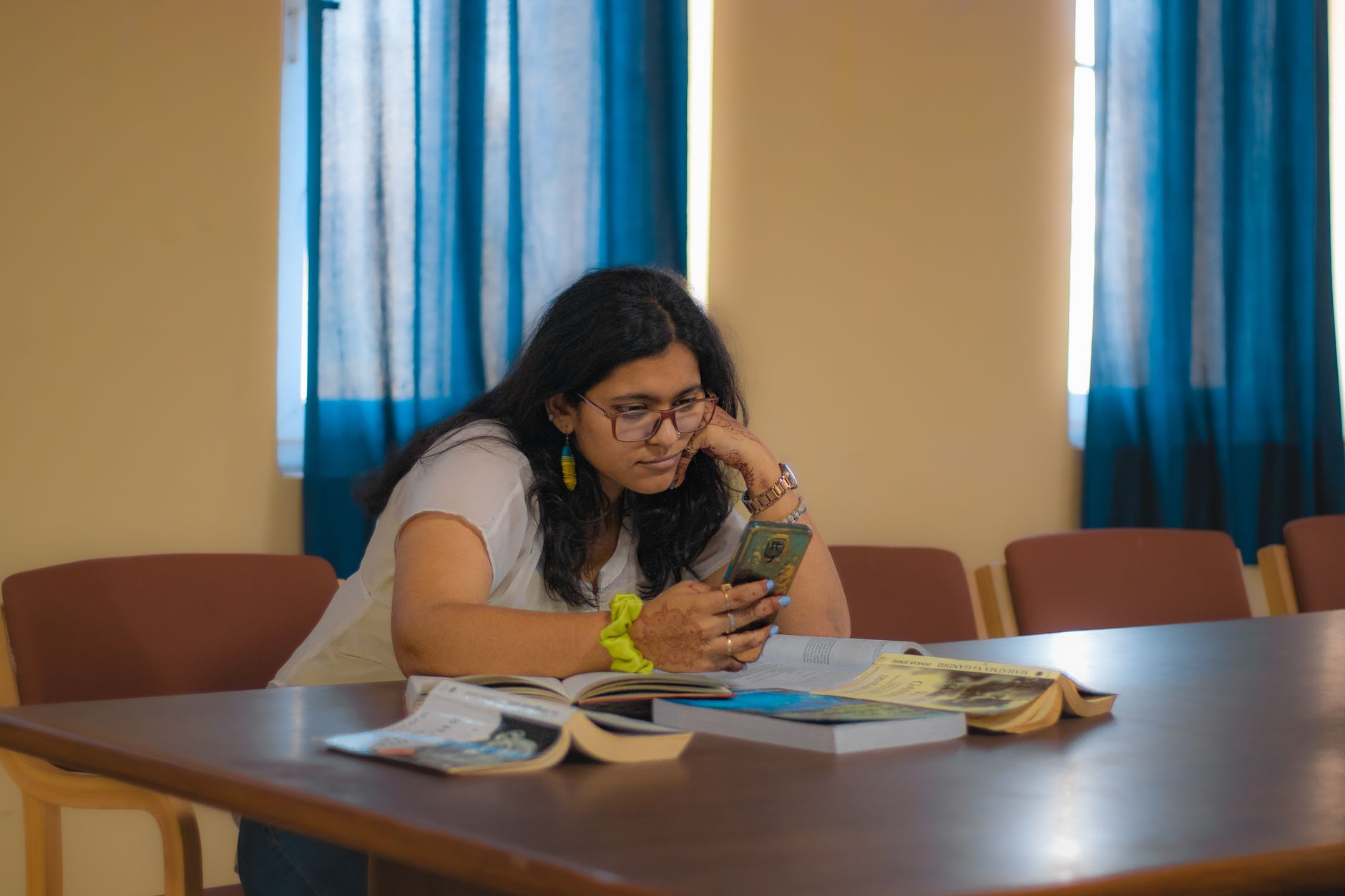
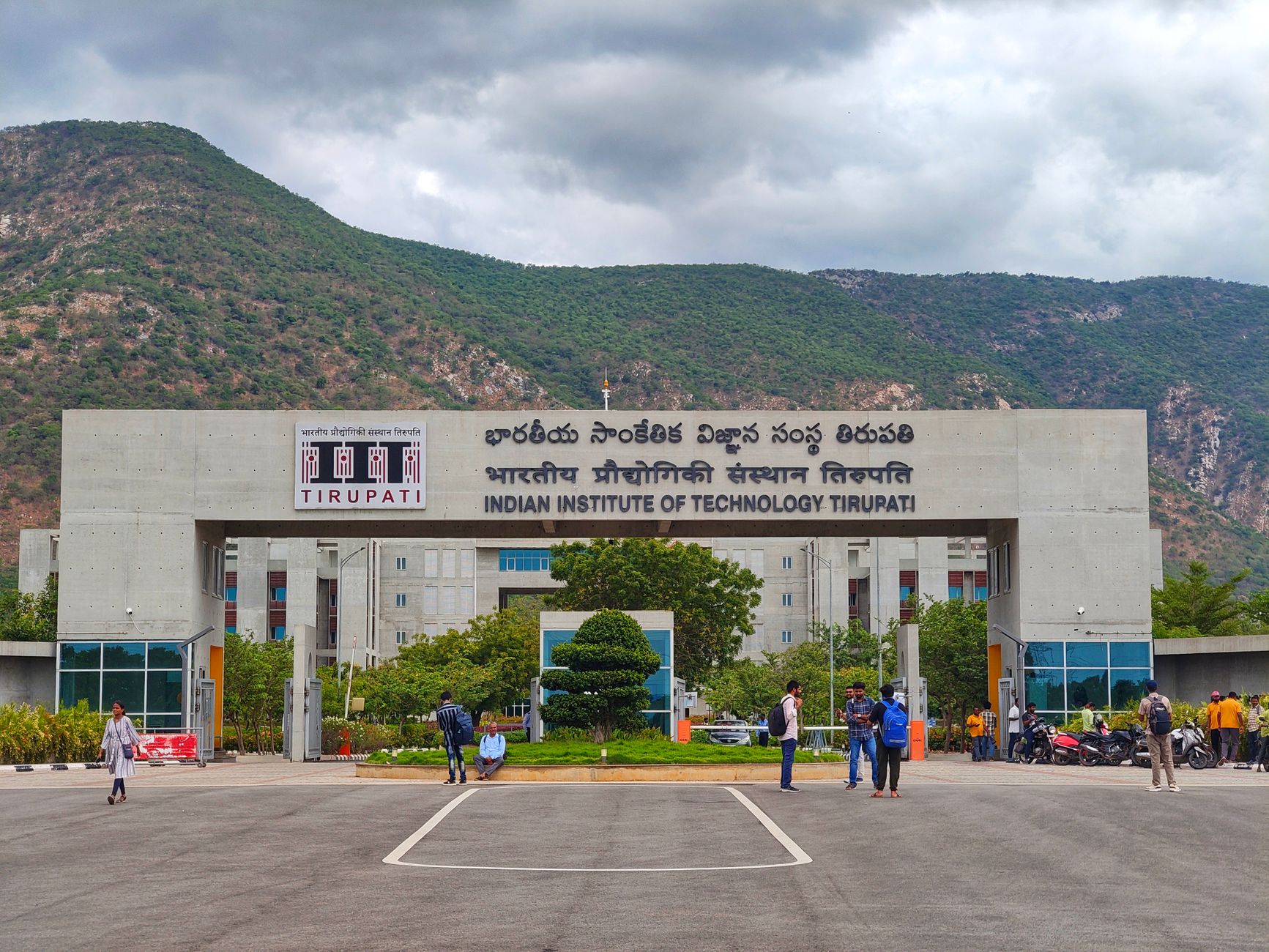
Take, for example, the story of Suman, a girl from a small village in Uttar Pradesh, who, thanks to KGBV, is now pursuing a degree in engineering. Her journey from a village with limited resources to a university campus is emblematic of the transformative potential of these schools.
As Uttar Pradesh continues to expand and improve its KGBV network, the ripple effects are being felt across communities. The initiative not only enhances the educational prospects of girls but also challenges deep-rooted gender norms, gradually shifting societal attitudes towards the role of women in society.
In the broader context, the KGBV scheme stands as a model of how targeted government intervention can address specific socio-educational challenges. It underscores the importance of inclusive education policies in fostering equitable growth and development.