Transforming Women's Health in India: The Role of Technology and Reform
In the bustling streets of New Delhi, a quiet revolution is underway. Women across India are poised to benefit from a wave of technological and policy innovations aimed at transforming their health outcomes. From cutting-edge AI diagnostics to comprehensive digital health records, technology is reshaping how women's healthcare is delivered.
Recent policy shifts have underscored the necessity of a life-course approach to women's health, recognising the profound impact of maternal health on economic and social parity. Poor maternal health not only jeopardises the well-being of mothers and their children but also stymies women's economic empowerment, a critical component for national development.
The integration of digital health technologies offers a promising path forward. Mobile apps for health monitoring, telemedicine consultations, and AI-driven diagnostics are increasingly accessible, even in remote areas. These tools enable women to take control of their health, facilitating early detection and management of conditions that were once neglected or misdiagnosed.
Workforce and Financial Reforms
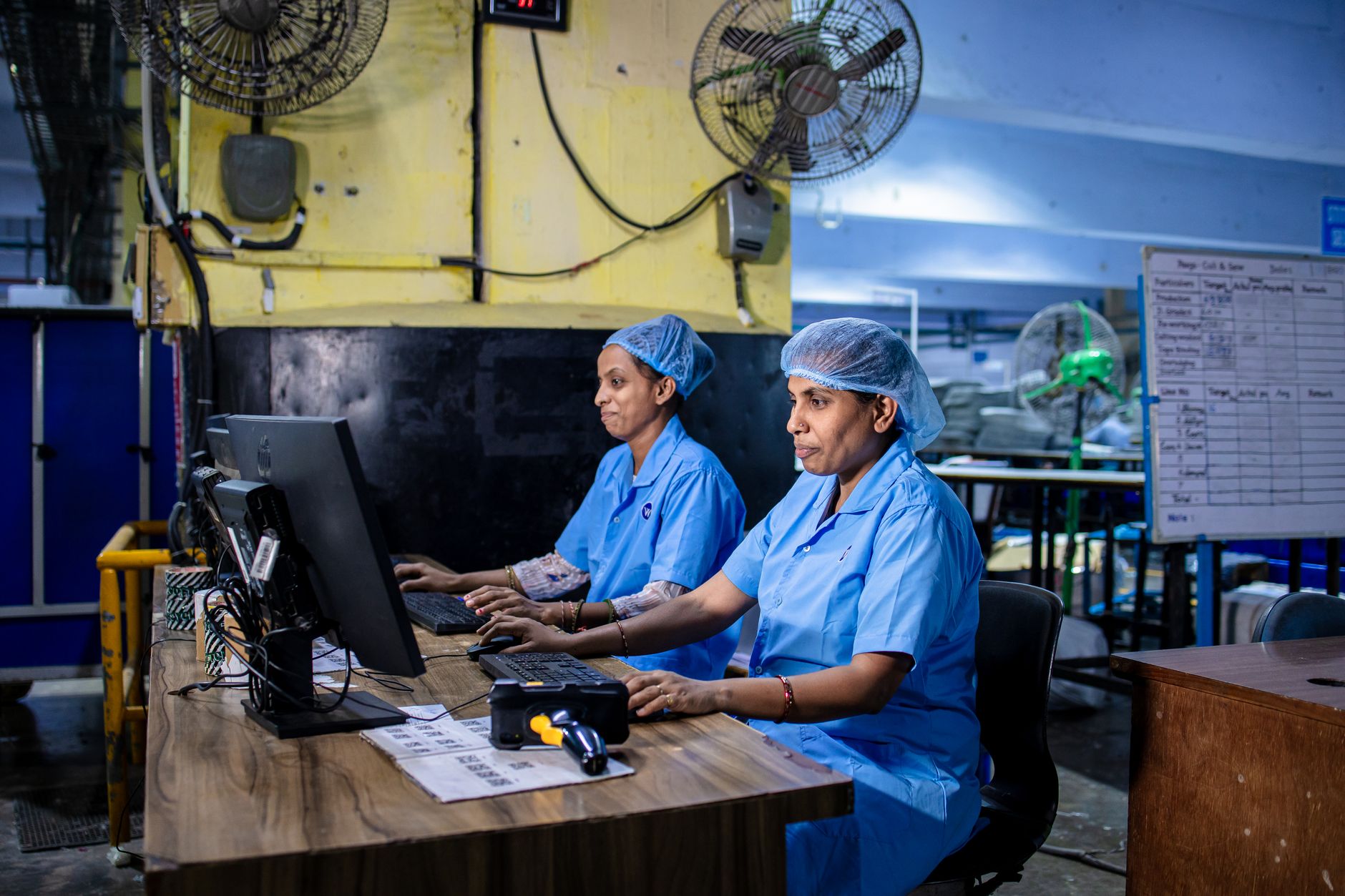
However, technology alone cannot bridge the chasm. Workforce reforms are equally crucial. The National Family Health Survey (NFHS-5) highlighted stark realities: only 32% of married women are part of the workforce, and a significant portion work without pay. Addressing these disparities requires a deliberate focus on gender-sensitive policies that encourage female participation in healthcare professions and beyond.
Financial investments in women's health are also pivotal. The government and private sector must collaborate to ensure that healthcare is affordable and accessible. Innovative insurance models and targeted financing schemes can alleviate the financial burdens that deter women from seeking necessary care.
A Vision for the Future
India's vision for women's health is ambitious, yet attainable. By fostering a healthcare ecosystem that values women's unique needs, the nation can unlock immense social and economic potential. As these changes take root, the hope is that future generations will inherit a more equitable health landscape, where every woman can thrive.