Trump Administration's Environmental U-Turn Risks Endangered Habitats
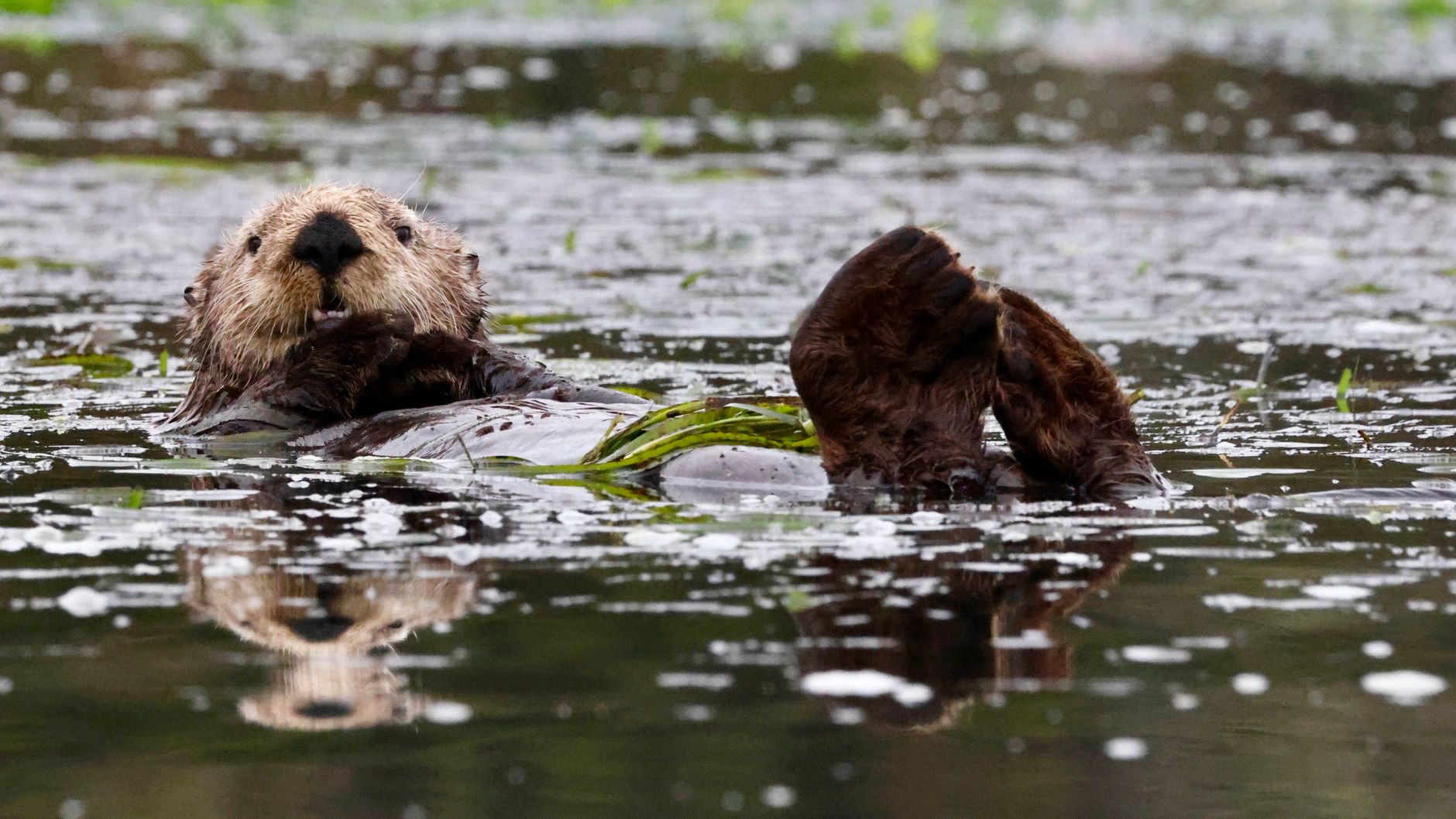
The Trump administration has taken a controversial step by reversing a long-standing environmental safeguard, fundamentally altering the Endangered Species Act (ESA) to permit development in previously protected habitats. This decision, finalised on Friday, dismantles a regulatory definition that has been instrumental in preserving the homes of imperilled wildlife for more than five decades.
Under the new rule, the definition of 'harm' to endangered species no longer includes habitat modification or degradation, a critical component that has historically shielded vulnerable species from human encroachment. The move has sparked outrage among conservationists who see it as a direct assault on biodiversity.
Economic Interests vs. Environmental Concerns
Proponents of the change argue that it removes unnecessary regulatory burdens, paving the way for economic development and job creation in industries such as mining, logging, and real estate. They claim that the previous regulations were overly restrictive and hindered economic growth.
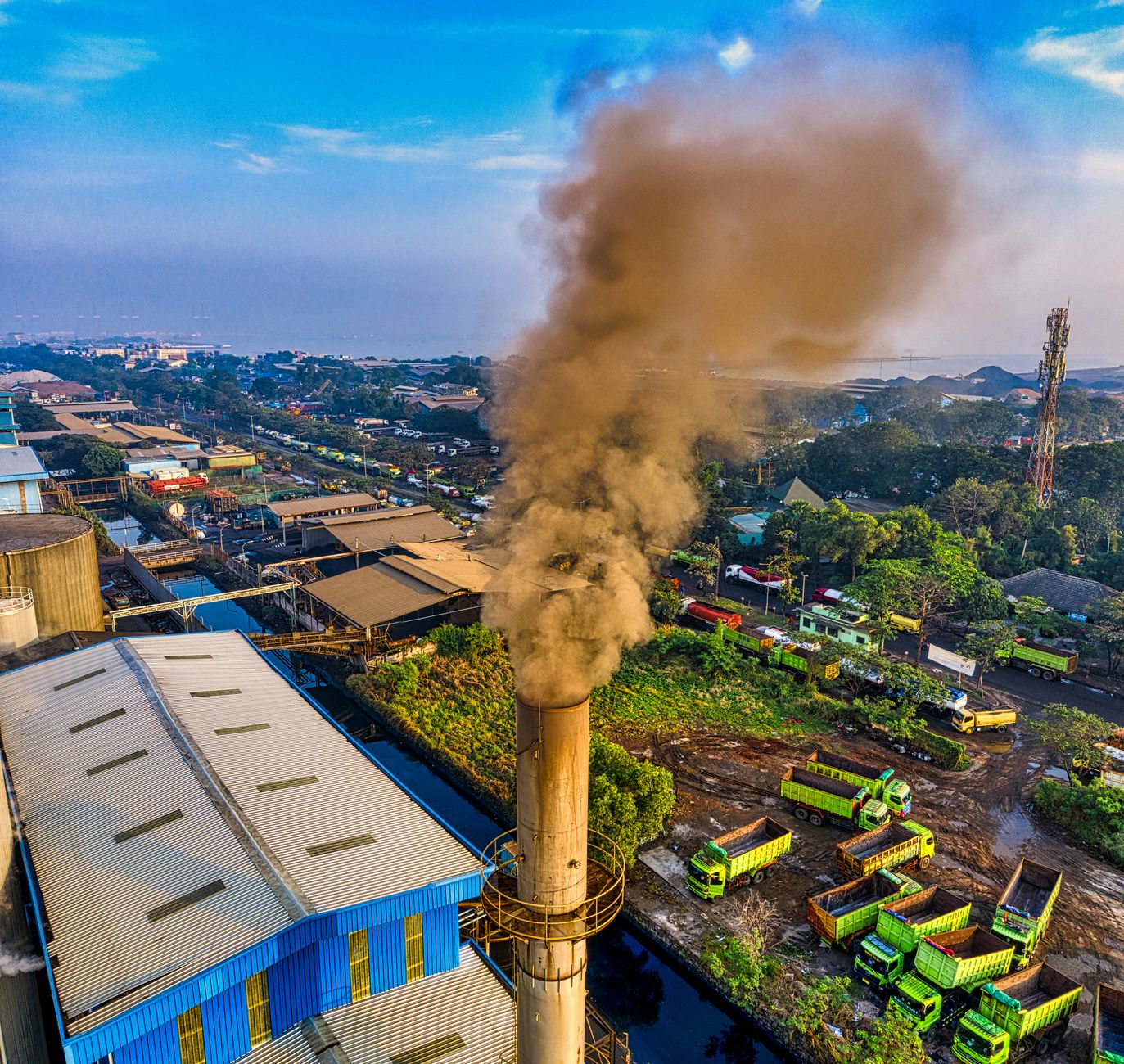
However, critics point out that this economic boon comes at a steep environmental cost. By opening up these habitats to development, the administration risks accelerating the decline of already vulnerable species. Ecologists warn that the loss of habitat is one of the leading causes of species extinction, and this policy shift could exacerbate the situation.
A Legacy Under Threat
Since its inception in the 1970s, the ESA has been a cornerstone of American conservation policy, credited with the recovery of iconic species such as the bald eagle and the grey wolf. The reversal of this key provision represents not only a policy shift but a potential legacy lost, as future generations may inherit a less diverse natural world.
Environmental groups have vowed to challenge the rule change in court, arguing that it undermines the very purpose of the ESA. The legal battles that lie ahead will determine whether the Trump administration's decision will stand or if conservationists can restore the protections that have safeguarded America's wildlife for generations.