UN Women's Bold Strategy for Climate and Gender Equality
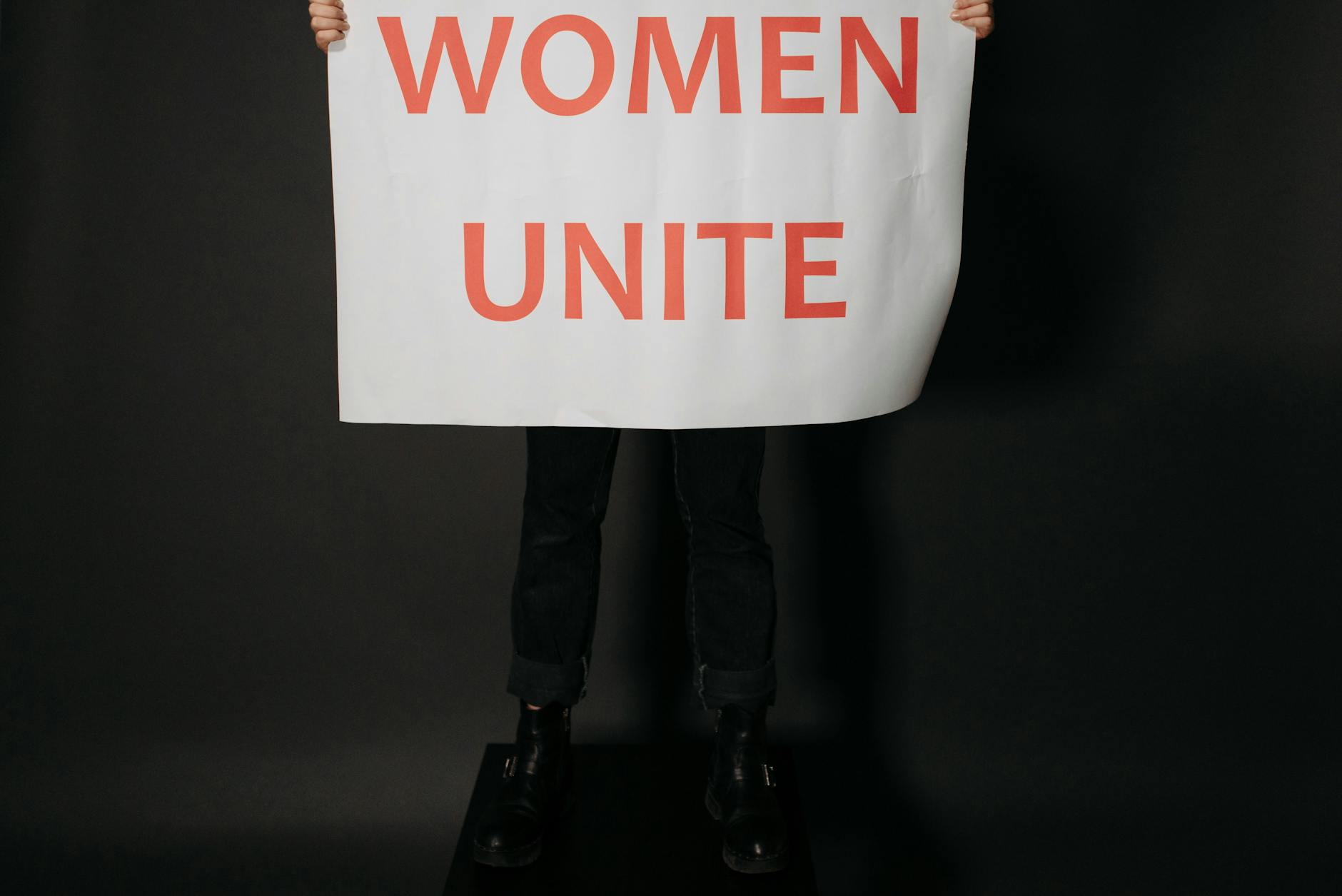
UN Women, the global advocate for gender equality, has charted a bold new course with the launch of its Climate and Environment Strategy 2026. This initiative seeks to weave together the twin threads of gender equality and environmental sustainability, recognising that women's involvement is crucial in tackling the climate crisis.
The strategy arrives at a time when the impacts of climate change are felt most keenly by women, particularly in regions where they are primarily responsible for securing water and food. The acknowledgement that women are disproportionately affected by climate disasters, facing increased risks of displacement and exploitation, forms a cornerstone of the new approach.
The programme aims to empower women as key players in environmental protection and climate resilience. This involves not only supporting their leadership in community-based initiatives but also ensuring they have the resources and opportunities to drive meaningful change. The strategy also addresses the systemic barriers that prevent women from fully participating in climate action.
In many parts of the world, women are often on the front lines of environmental challenges, yet their voices are frequently marginalised in policy discussions. UN Women's new strategy is a clarion call for change, emphasising that the fight against climate change must include the empowerment of women.
Empowering Women for a Sustainable Future
The significance of this strategy cannot be understated. By placing women at the heart of climate action, UN Women is not merely advocating for gender equality but is also pushing for a more inclusive and effective approach to environmental sustainability. The strategy highlights the need for international cooperation and local engagement to ensure that women's contributions are recognised and valued.
As the world grapples with the escalating effects of climate change, the UN Women initiative stands as a testament to the power of inclusive policies. It is a reminder that addressing environmental challenges demands a holistic approach that champions the rights and roles of women, ensuring a sustainable future for all.