Understanding Venezuela’s Unprecedented Doublet Earthquake
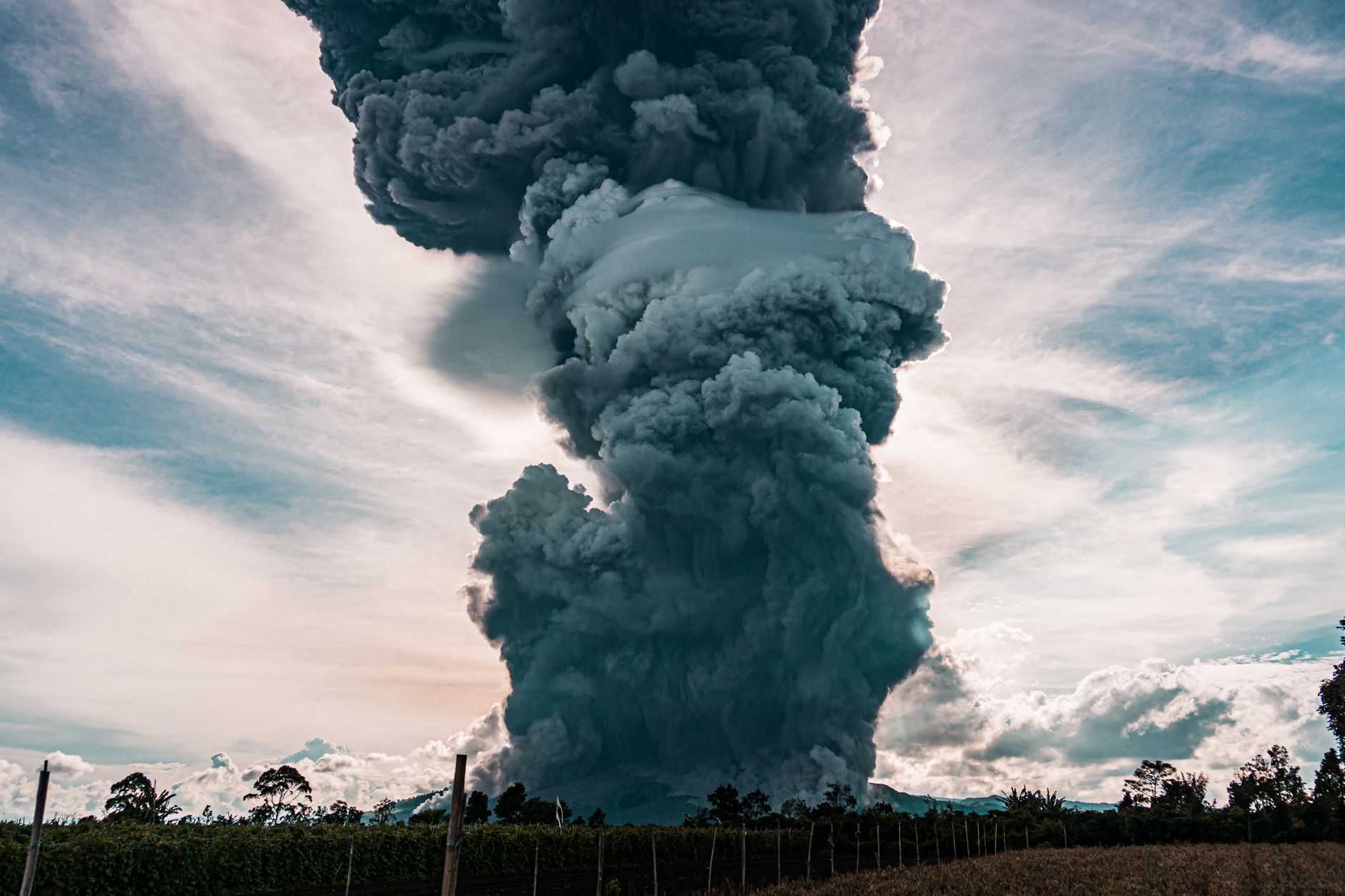
The night sky over Caracas was cleaved by tremors of extraordinary magnitude, as Venezuela faced an unprecedented doublet earthquake, a rare seismic occurrence that caught the nation's capital off guard. Two powerful shocks, clocking in at magnitudes of 7.2 and 7.5, struck in rapid succession, leaving a trail of destruction and a nation in mourning.
Unpacking the Doublet Phenomenon
Unlike the more common sequence of a main shock followed by aftershocks, a doublet earthquake consists of two significant seismic events occurring closely in time but originating from distinct seismic sources. In Venezuela's case, the quakes erupted within 39 seconds of each other, intensifying the devastation. The geological underpinning of this phenomenon lies in the intricate interactions of tectonic plates beneath the region, where plates scrape past one another rather than colliding head-on. This lateral motion can unleash substantial energy, as witnessed in the recent catastrophe.
Tectonic Ballet and Its Consequences
Venezuela sits atop complex tectonic plate boundaries, where the South American Plate and the Caribbean Plate engage in a precarious dance. This unique interaction was the catalyst for the recent doublet, a sequence that has not only tested the resilience of Venezuelan infrastructure but also the preparedness of its emergency services. Over 100 lives were claimed, and numerous buildings were reduced to rubble, particularly in Caracas, highlighting vulnerabilities in urban planning and construction standards.
Implications for Future Preparedness
As the dust settles, the doublet earthquake serves as a stark reminder of the unpredictable nature of seismic activity. It underscores the necessity for robust disaster preparedness strategies and adaptive infrastructure capable of withstanding such unprecedented events. For Venezuela, and indeed for the global community, this event is a clarion call to reassess and reinforce our approaches to earthquake resilience.