Unravelling the Human Fingerprint on Extreme Weather
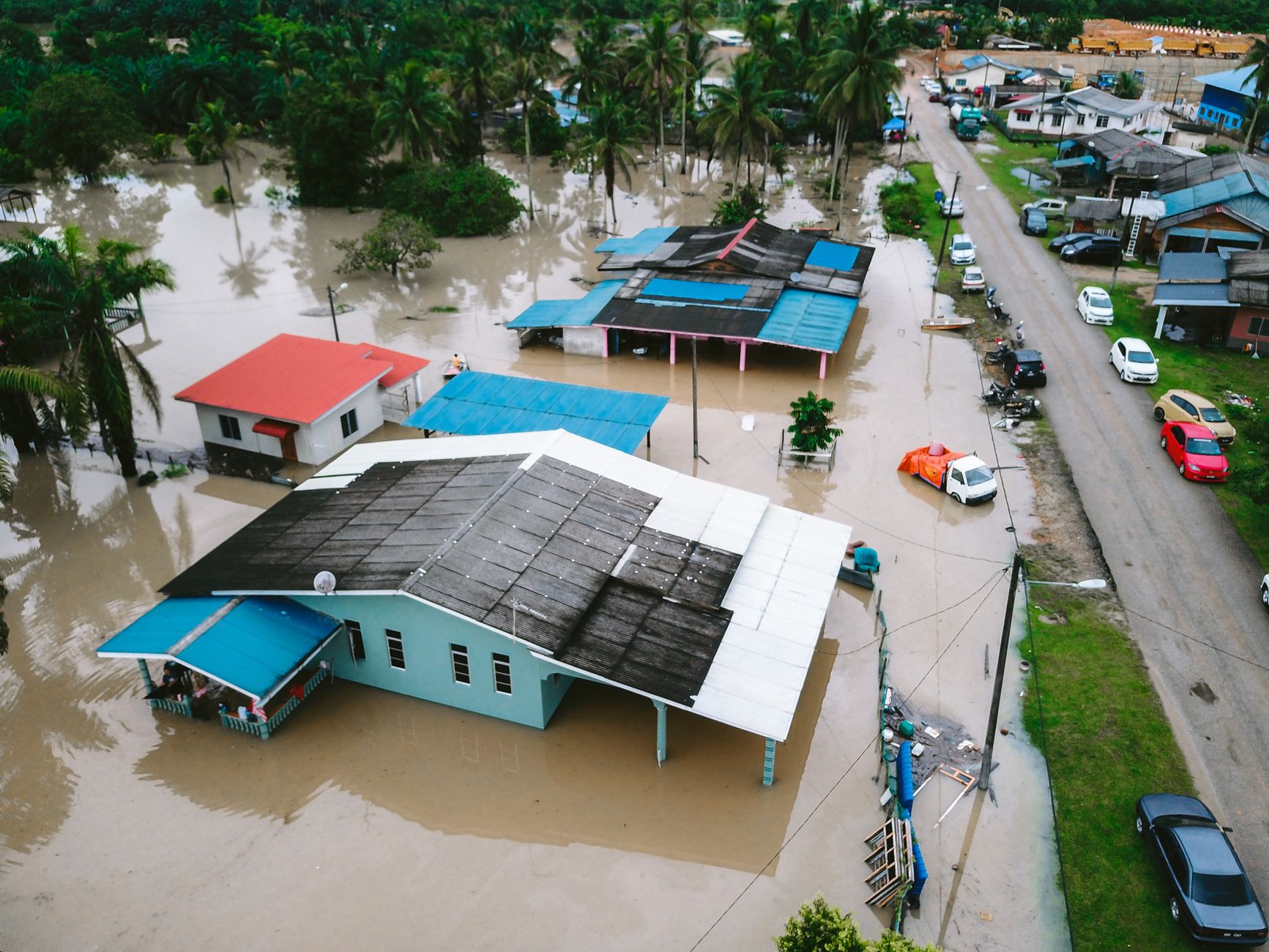
The weather, once a subject of idle chatter, has taken centre stage in scientific circles as researchers increasingly connect extreme weather events to human activities. The science of attribution, a burgeoning field dedicated to this cause, has been quietly making waves with its revelations.
Attribution science employs advanced climate models alongside extensive data from satellites and ground-based observations to decipher the human impact on weather extremes. Through these tools, researchers have determined that many recent heatwaves, hurricanes, and floods likely carry the signature of climate change, exacerbated by the burning of fossil fuels and deforestation.
Consider the European heatwave of 2019. It was at least ten times more likely to occur due to human-induced climate change, according to recent studies. Such findings are not just academic exercises but serve as a clarion call for urgent action. They underscore the pressing need for comprehensive climate policies that mitigate further damage.
The Role of Climate Models
Climate models, complex simulations of Earth's climate systems, are pivotal in attribution studies. By comparing observed weather patterns with simulations of an Earth untouched by industrialisation, scientists can estimate the likelihood of extreme events in a pre-industrial climate.
Yet, the science is not without its challenges. While some events, particularly heat-related, show clear human influence, others, like certain rainfall patterns, remain elusive. This uncertainty, however, does not diminish the overall trend of increasing extremities attributable to human impact.
Public Perception and Policy
As the evidence mounts, public perception is gradually aligning with scientific consensus. A growing number of individuals now recognise the link between human activities and climate change, fostering support for policies aimed at reducing carbon emissions and promoting sustainable practices.
Ultimately, attribution science serves as both a mirror and a map. It reflects the consequences of our environmental choices and guides us towards more informed decisions. As the planet continues to warm, understanding our role in shaping these extreme events becomes ever more critical.