Unravelling the Human Hand in Extreme Weather Patterns
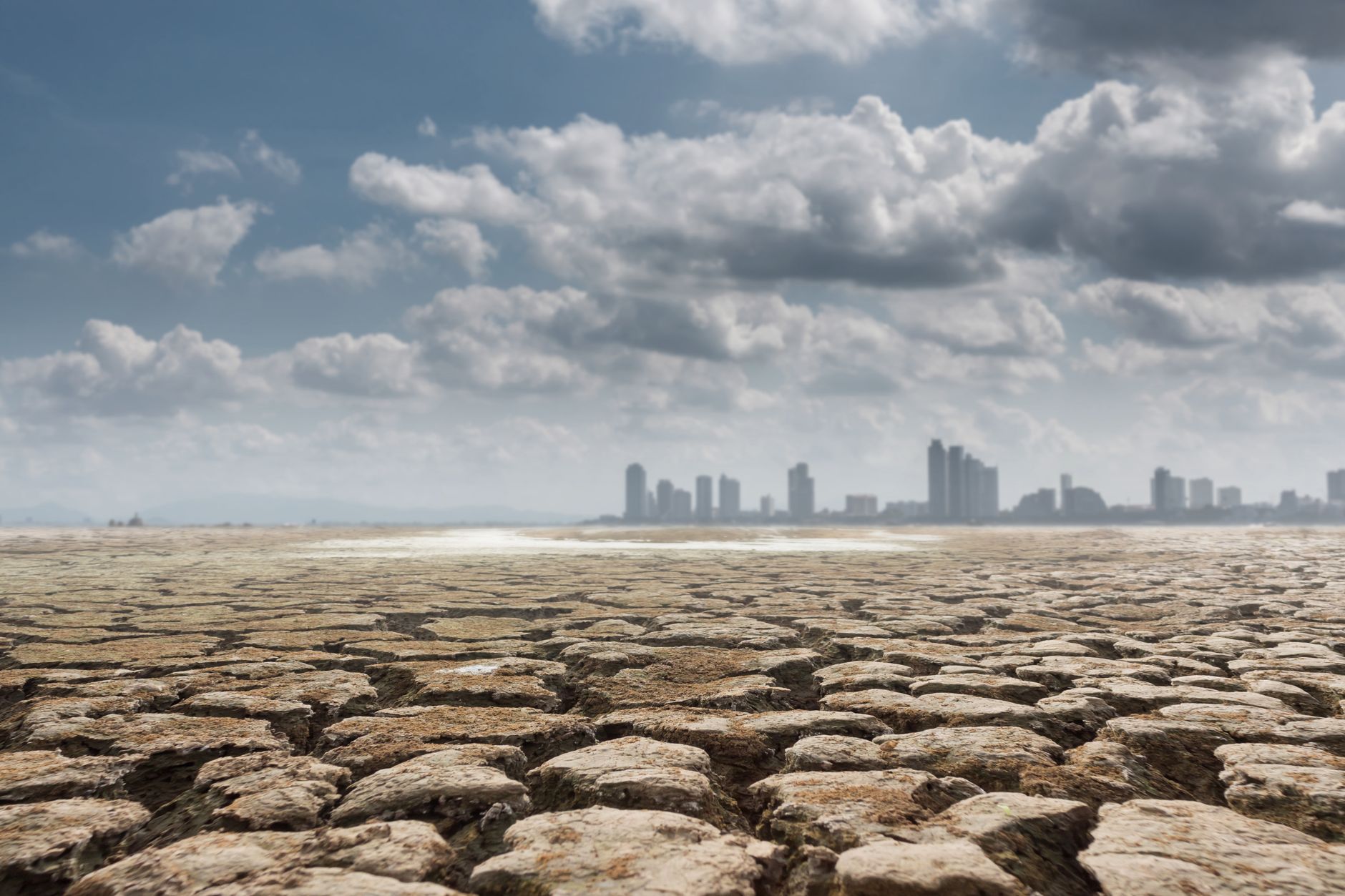
The notion that human activity could be influencing extreme weather was once a matter of speculative debate. Yet, as the Earth warms, the evidence mounts, and the debate shifts towards acceptance. Scientists, armed with advanced computer modelling, are now able to draw increasingly direct lines between our industrial activities and the bizarre weather patterns that have become alarmingly frequent.
Climate attribution, a once obscure branch of climate science, now occupies centre stage. It is a field dedicated to identifying and quantifying how human-induced climate change intensifies specific weather events. This discipline has come of age just in time, as the planet heats up by 1.3°C above pre-industrial levels, bringing with it unprecedented heatwaves, torrential rains, and other extreme phenomena.
From Abstract Theory to Tangible Evidence
Not long ago, discussions on climate change were largely theoretical, focusing on long-term trends rather than individual events. However, recent advancements in climate attribution have dramatically changed the conversation. Through sophisticated models, scientists can now simulate the climate with and without human interference, providing a stark contrast that highlights our role in these events.
This is more than an academic exercise. The implications are profound, not only for understanding the science but also for addressing the socioeconomic impacts. The reality is that extreme weather disproportionately affects vulnerable communities, exacerbating existing inequalities. As attribution science unveils the human imprint on these disasters, it brings into sharp focus the need for climate justice.
Implications for Policy and Society
With the evidence in hand, the onus now lies on policymakers to act. The ability to link human actions to extreme weather events provides a compelling argument for immediate and robust climate policies. It opens the door to holding industries accountable and implementing strategies that mitigate further harm.
Yet, the challenge remains vast. The science is clear, but translating this into effective action requires global cooperation and a willingness to embrace transformative changes. As the world continues to grapple with the realities of climate change, the work of climate attribution scientists stands as a beacon, guiding us towards a more sustainable future.