Unravelling Venezuela's Twin Earthquakes Phenomenon
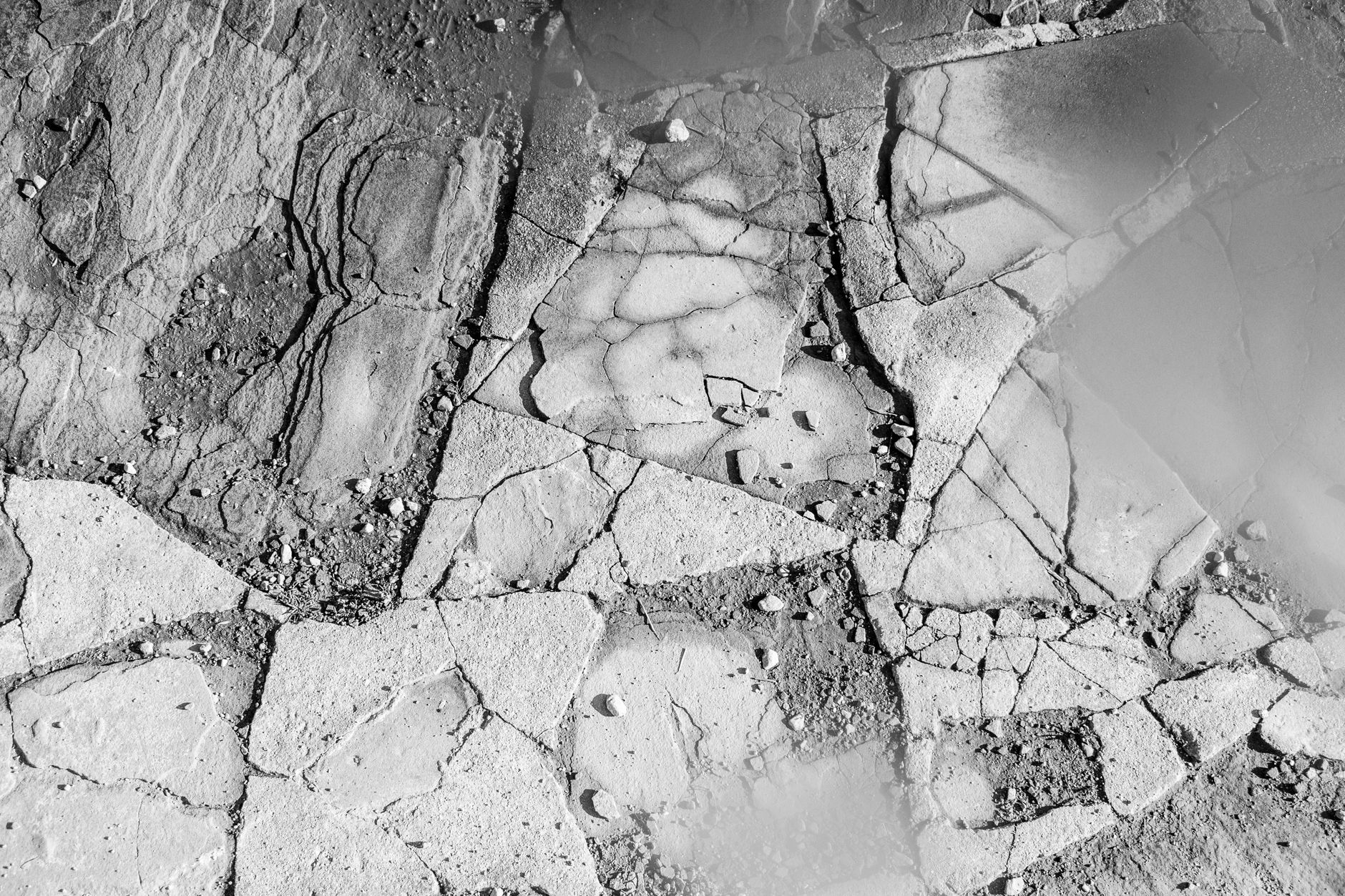
As the dust settles in Venezuela, the dual tremors that rocked the nation are still reverberating in the minds of its people. On 24 June 2026, the earth shook not once but twice, with magnitudes of 7.2 and 7.5, occurring a mere 39 seconds apart. This phenomenon, known as a doublet earthquake, has left scientists and residents seeking answers.
Venezuela's geographical setting is a likely contributor to its seismic activity. The country lies along the boundary where the Caribbean Plate and the South American Plate meet. This tectonic interaction has historically been a hotbed for earthquakes, making Venezuela particularly vulnerable.
The Science of Doublets
Doublet earthquakes, while less common, are not unheard of. Unlike single quake events, doublets involve two seismic events occurring closely in time and space. According to Christine Goulet, director of the USGS Earthquake Science Centre in California, doublets require specific conditions, often involving complex fault interactions.
In Venezuela's case, the diffuse onshore boundary between the two tectonic plates provides an ideal setting for such occurrences. The energy released can be significant, as evident in the recent devastation.
Implications for the Future
Understanding the science behind these seismic events is crucial. As the country grapples with the aftermath, experts emphasise the need for robust infrastructure and preparedness. The recent quakes serve as a stark reminder of the importance of geological research and the implementation of stringent building codes.
The tremors of June 2026 may have subsided, but their impact lingers. For Venezuela, the path forward involves not just rebuilding physically, but reinforcing a scientific understanding that could mitigate future risks.