Unseen Crisis: Expanding Dead Zones Beneath the Baltic Sea
Deep within the cold embrace of the Baltic Sea lies a growing menace that eludes the eye yet threatens the very fabric of its marine ecosystem. These so-called 'dead zones'—areas starved of oxygen—are proliferating at an alarming rate, imperilling biodiversity and the livelihoods of those dependent on the sea.
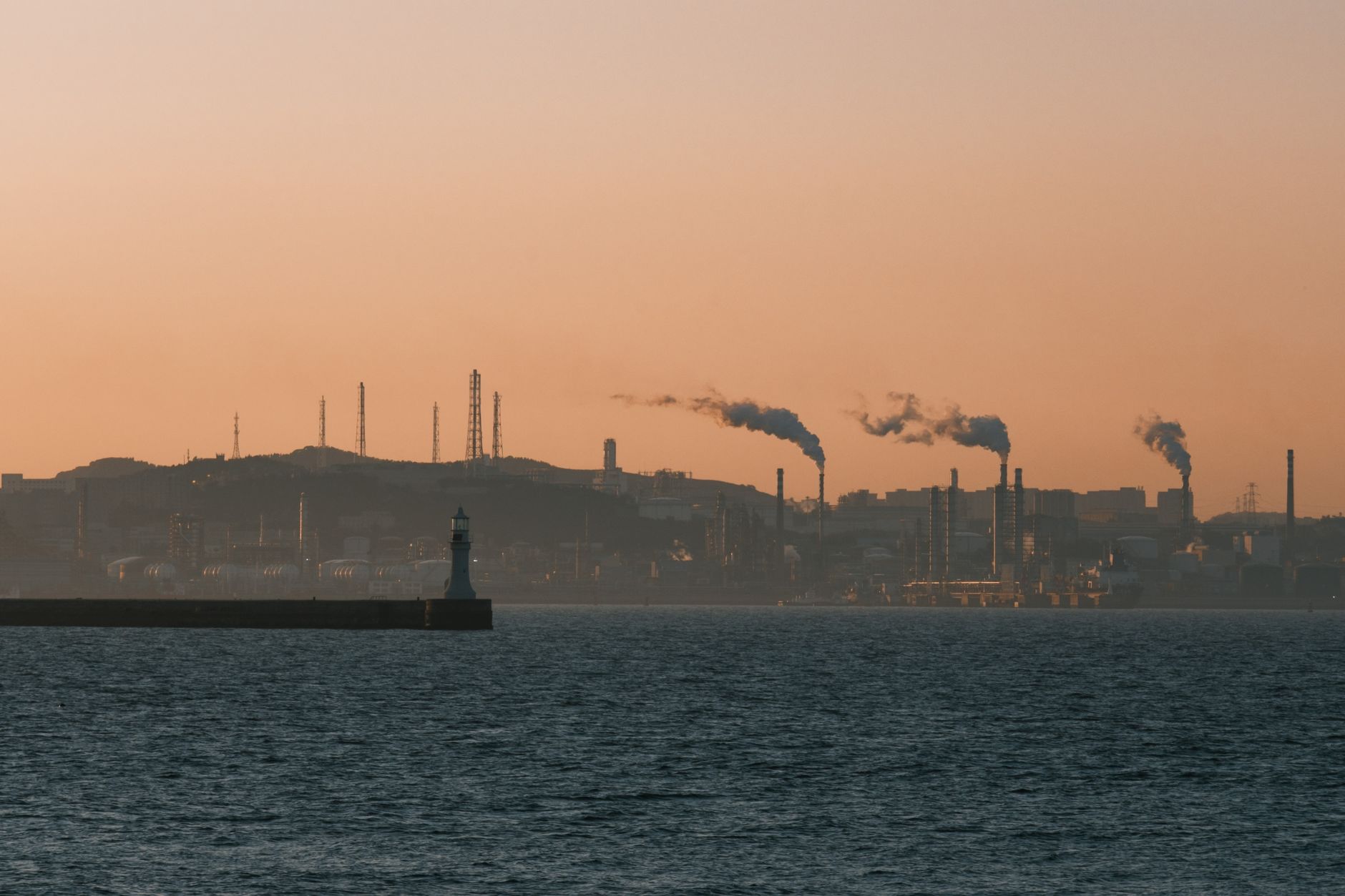
The phenomenon is not new, but its scale is unprecedented. Scientists have long warned that human activities, particularly overfishing and agricultural runoff, are depleting oxygen levels. This creates an inhospitable environment for most marine life. Furthermore, rising sea temperatures exacerbate the situation, making it more difficult for the sea to retain necessary oxygen levels.
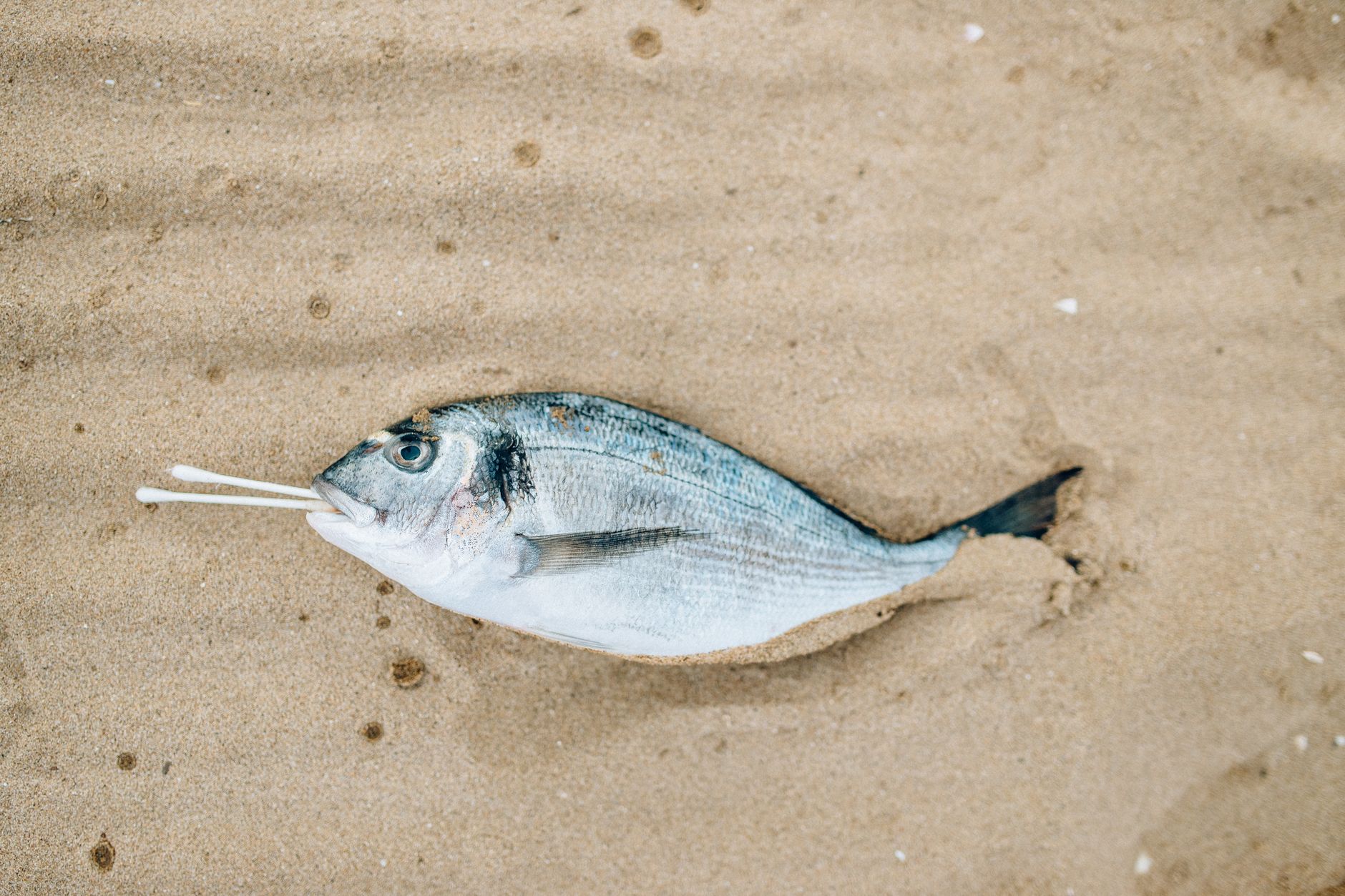
Swedish researcher Conrad Stralka from the BalticSea2020 foundation points out that overfishing, especially of cod, has had a ripple effect. Cod now spawn younger and smaller, an adaptation to increased fishing pressure, further destabilising the marine food web.
The Path to Recovery
Addressing these dead zones requires concerted international efforts. Stricter fishing regulations, better waste management, and initiatives to reduce agricultural runoff are crucial. Yet, even with immediate action, experts estimate that recovery could stretch over 400 years, if achievable at all.
The challenge is not merely scientific but political. Countries around the Baltic must balance economic interests with environmental stewardship—a task easier said than done. As policymakers debate, the silent expansion of dead zones continues unabated, a grim reminder of the price of inaction.
Why It Matters
The stakes are high. The Baltic Sea is not only a cradle of marine biodiversity but also a vital economic resource for surrounding nations. As dead zones grow, they threaten fish stocks, tourism, and the cultural heritage of communities that have relied on the sea for generations.
In this unfolding saga, the Baltic Sea serves as both a cautionary tale and a call to action for similar bodies of water worldwide. The invisible enemy beneath its waves is a stark reminder of humanity's impact on nature—an impact that demands urgent and sustained attention.