Unusual Stellar Activity Observed in Exploded Stars of Galaxy M83
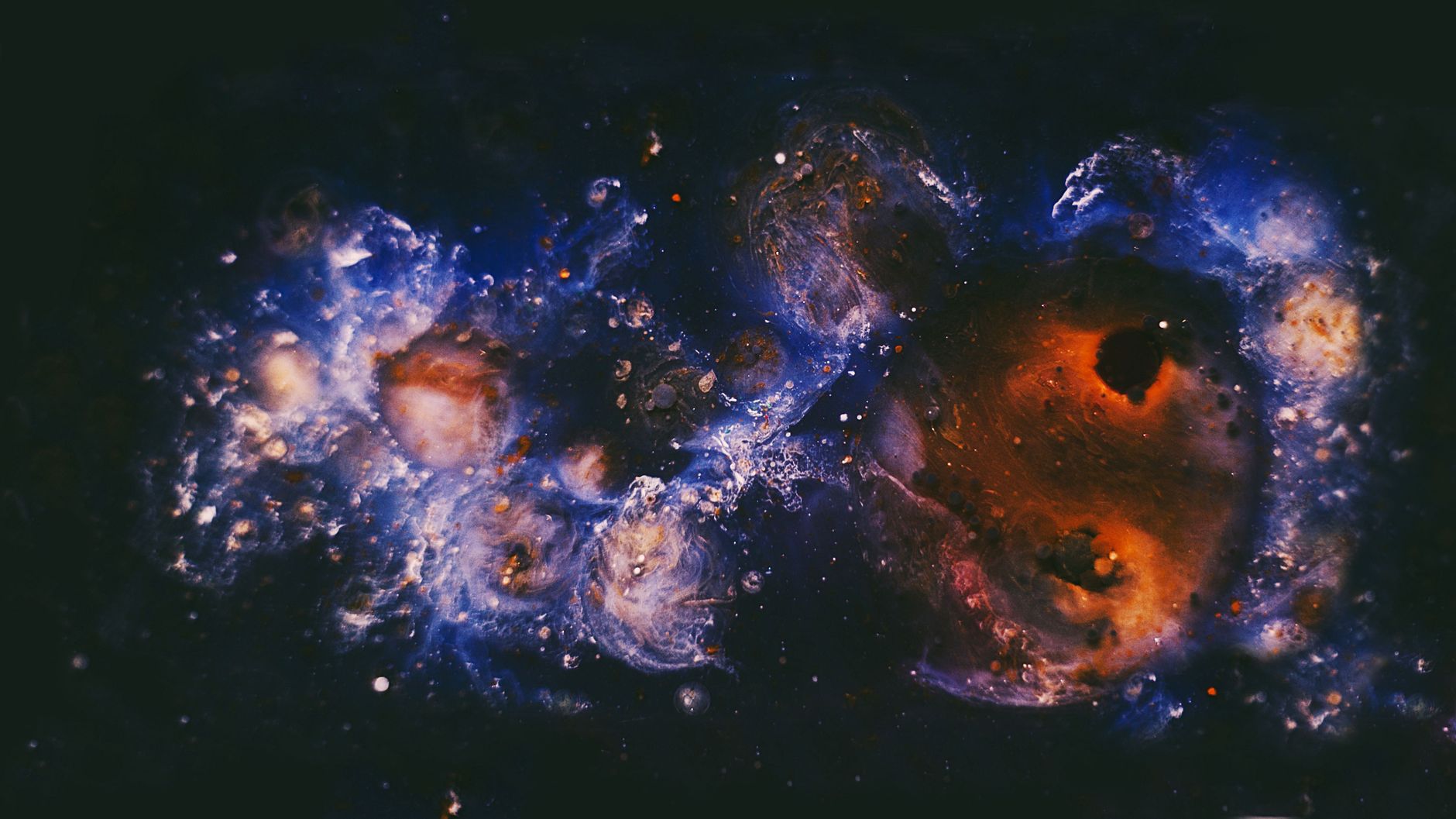
In an unexpected twist of cosmic events, astronomers have uncovered peculiar behaviour in the remnants of exploded stars within the galaxy Messier 83 (M83). Over a period of 14 years, observations have revealed that the brightness of these supernova remnants fluctuated in ways that have left scientists both perplexed and intrigued.
Typically, when a massive star meets its end in a supernova, it leaves behind a spectacular display of superheated gas and debris. These stellar remnants usually fade into obscurity as they expand into the cosmos. However, data from the Chandra X-ray Observatory suggests otherwise for M83. Of the 22 X-ray sources tied to supernova remnants in this galaxy, half exhibited significant variability in brightness, a phenomenon that defies conventional astrophysical models.
Galaxy M83, with its proximity and well-documented distance, offers an ideal celestial laboratory for such studies. These findings suggest that the processes governing supernova remnants might be more complex than previously thought, potentially common across other star-forming galaxies like M51.
What makes these observations particularly fascinating is their potential to redefine our understanding of the lifecycle of stars. Scientists have long based their theories on the predictable dimming of supernovae. However, the observed fluctuations hint at underlying physical processes that remain poorly understood. The presence of unusual hydrogen patterns and compact object sizes adds another layer of mystery.
As astronomers continue to probe these interstellar phenomena, the question remains: what drives such variability? The answers may not only reshape our comprehension of supernovae but also enhance our grasp of the universe's dynamic nature.
With each revelation, galaxies like M83 remind us of the universe's boundless capacity for surprise, inviting us to look deeper into the heavens for the secrets they hold.