Unveiling Disparities: Insights from India's Higher Education Survey
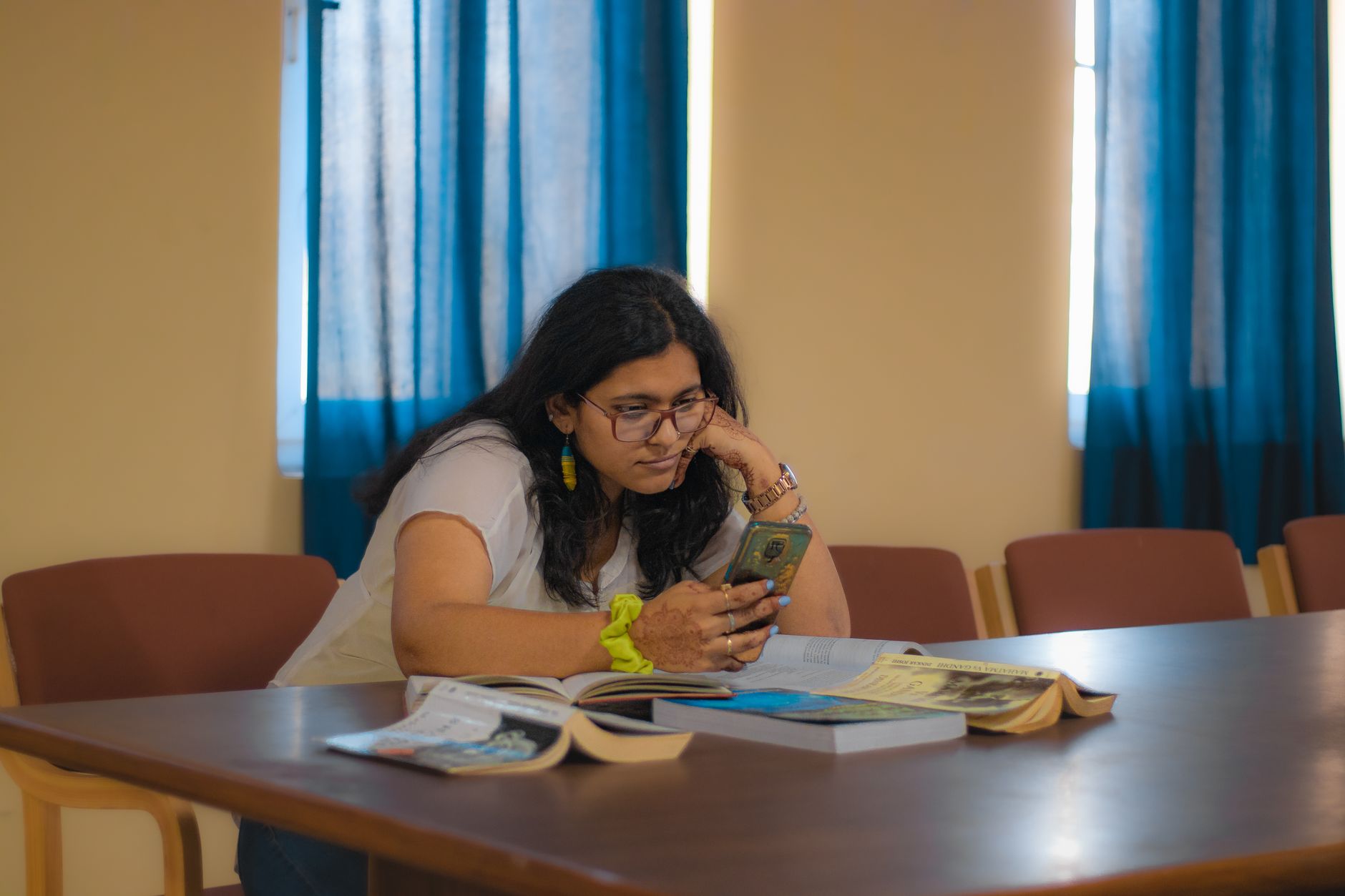
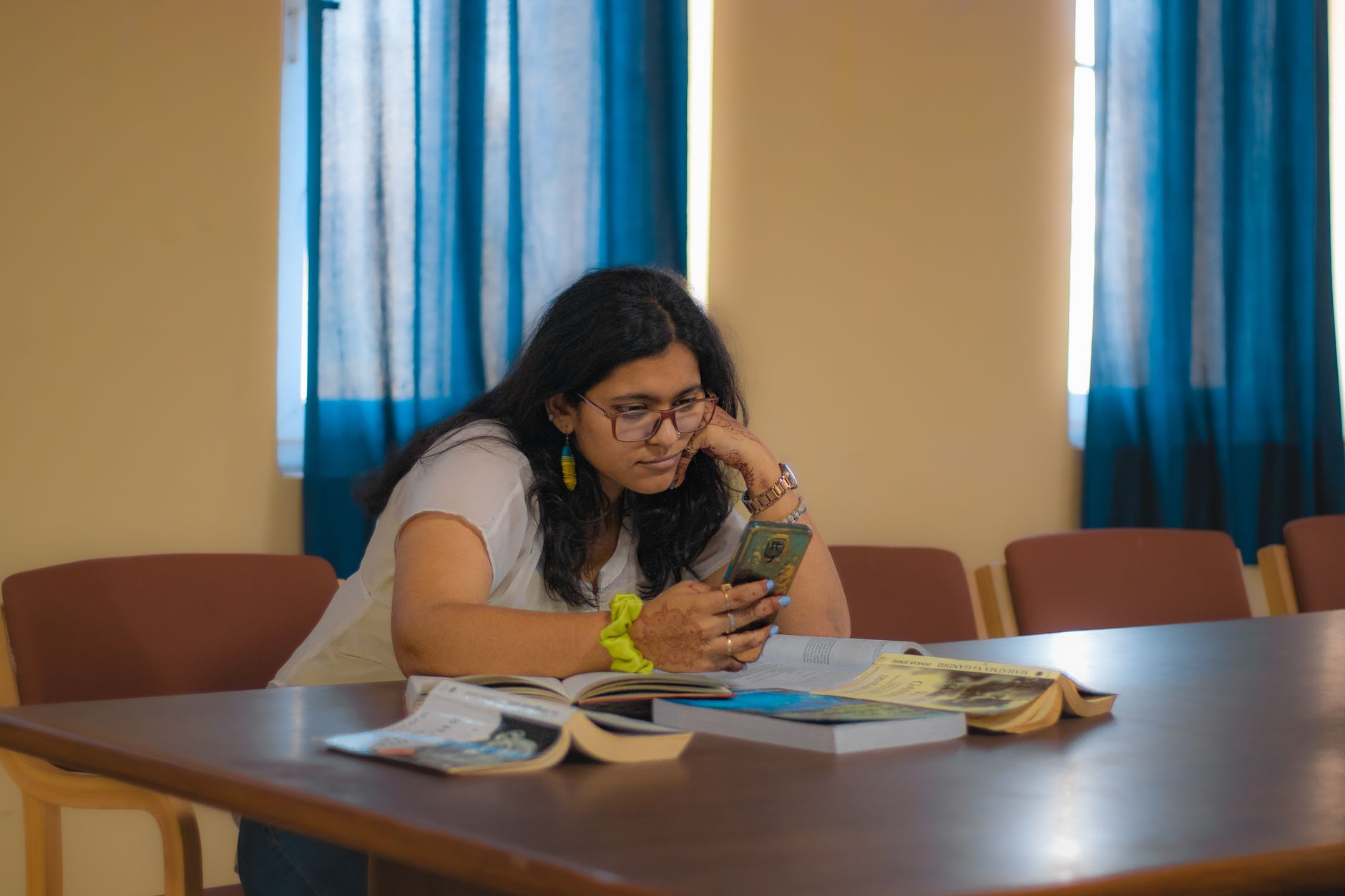
The All India Survey on Higher Education (AISHE) 2023-24 offers a revealing picture of the nation's educational landscape, one that is marked by progress and persistent challenges. The Gender Parity Index (GPI) has impressively maintained a figure above 1.0 for the seventh consecutive year, signalling that more women than men are enrolling in higher education institutions across the country. However, beneath this promising statistic lies a more complicated narrative.
India continues to grapple with a significant disconnection between academic achievement and employability, especially for women. Despite the encouraging enrolment figures, the Female Labour Force Participation Rate remains disappointingly low. This is attributed to deep-rooted societal expectations, domestic responsibilities, and pervasive safety concerns that deter women from participating fully in the formal job market.
Institutional Characteristics and Challenges
The survey, which covers universities, colleges, and standalone institutions, provides data that is both comprehensive and concerning. The Pupil Teacher Ratio (PTR) stands at 26, indicating a potential strain on educational resources and teaching quality. A high PTR often results in less personalised attention for students, which can affect learning outcomes negatively.
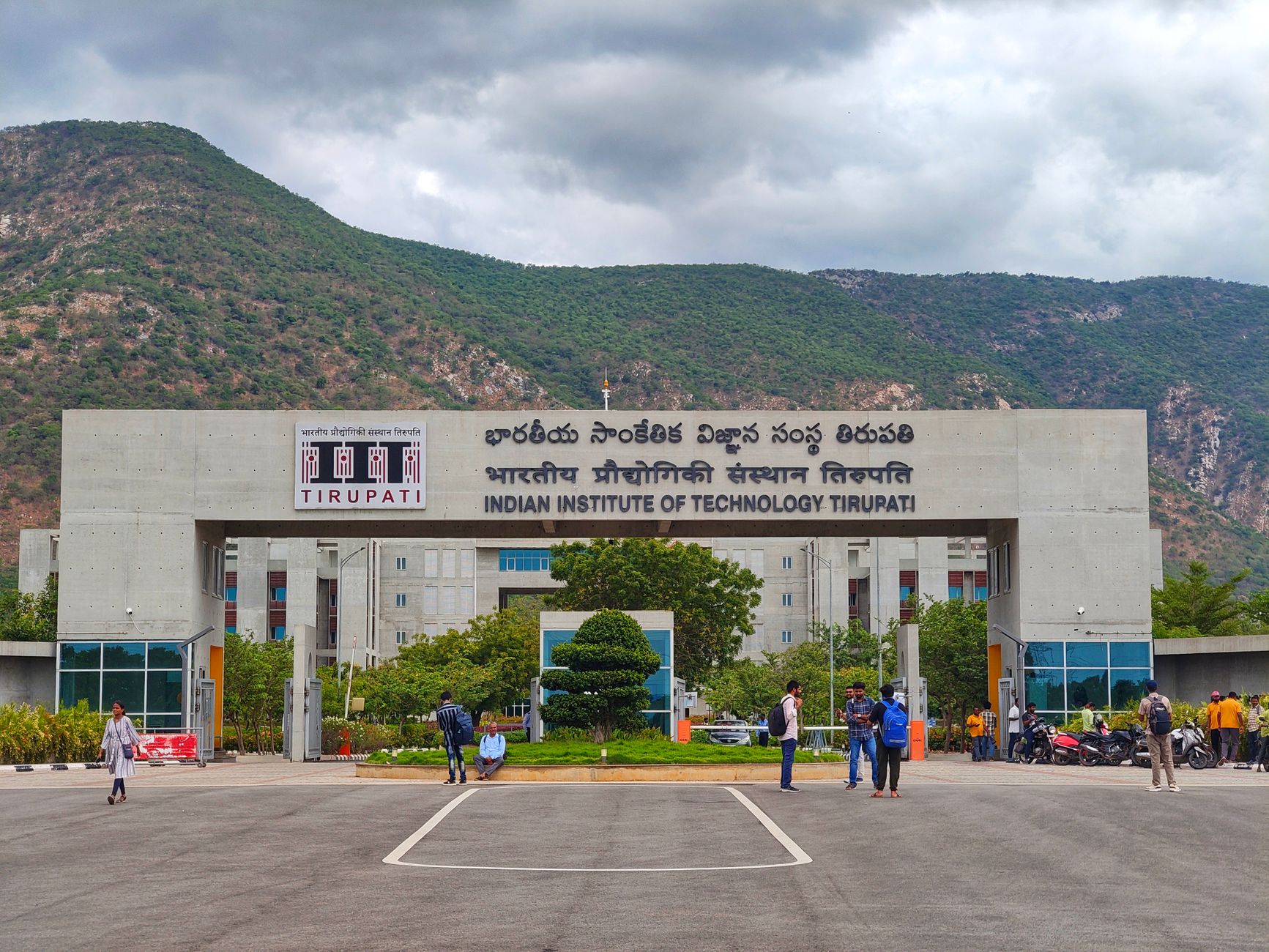
Moreover, the data collection process, which involves higher education institutions uploading information on enrolment, faculty, infrastructure, and examination results, reveals a varied picture of institutional capabilities and challenges. While some institutions boast robust facilities and academic staff, others struggle with inadequate infrastructure and a dearth of qualified educators.
Implications for Policy and Reform
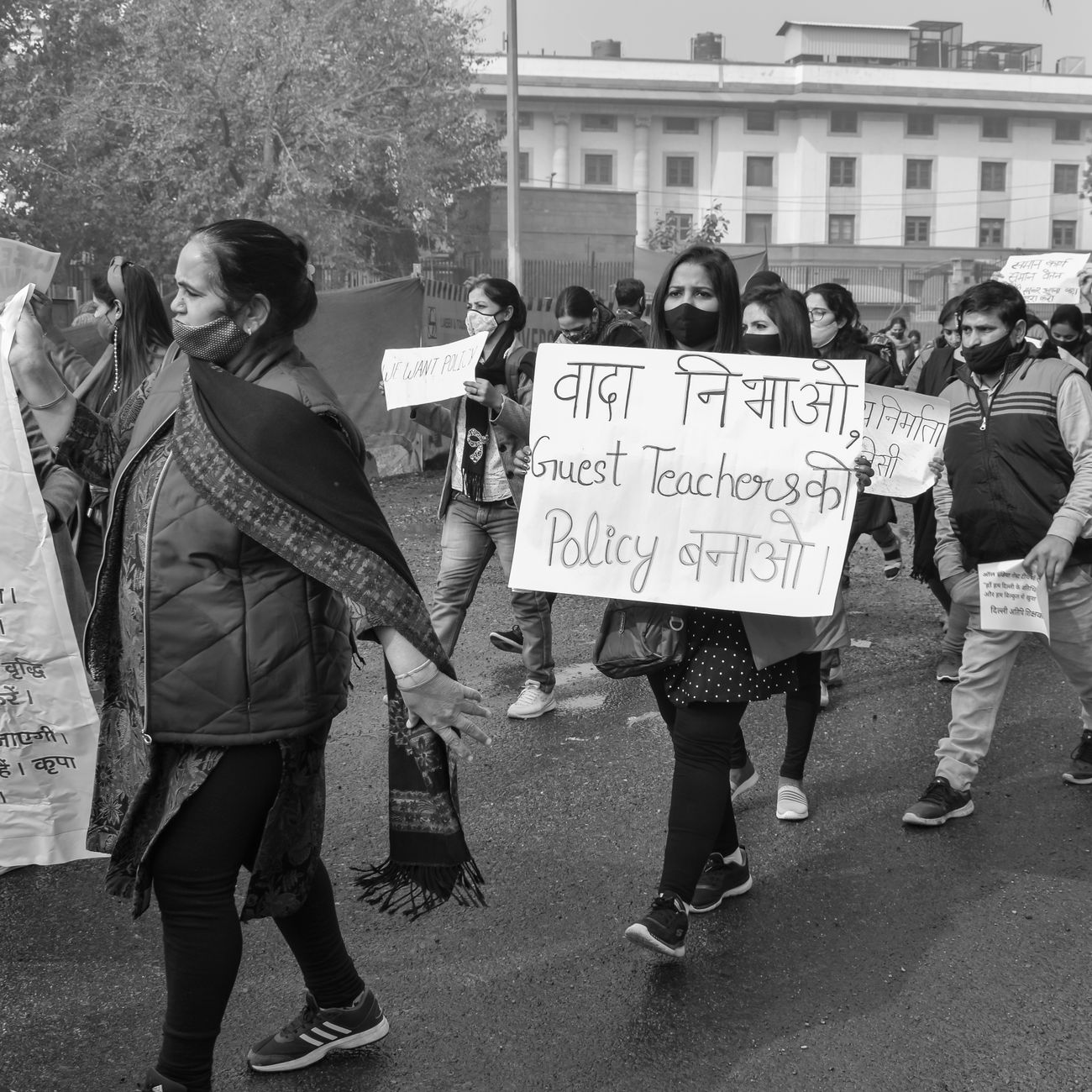
The AISHE data underscores the urgent need for policy interventions aimed at bridging the gap between education and employment. There is a pressing requirement to create safer environments for women, both within educational institutions and in the labour market. Additionally, enhancing the quality of education through improved teacher training and infrastructure investment is crucial.
As India positions itself as a global economic player, the potential of its educated youth, particularly women, remains underutilised. The insights from the AISHE report should serve as a clarion call for policymakers to address these systemic issues with the urgency they deserve.