Urban Areas Hold the Key to Our Environmental Destiny
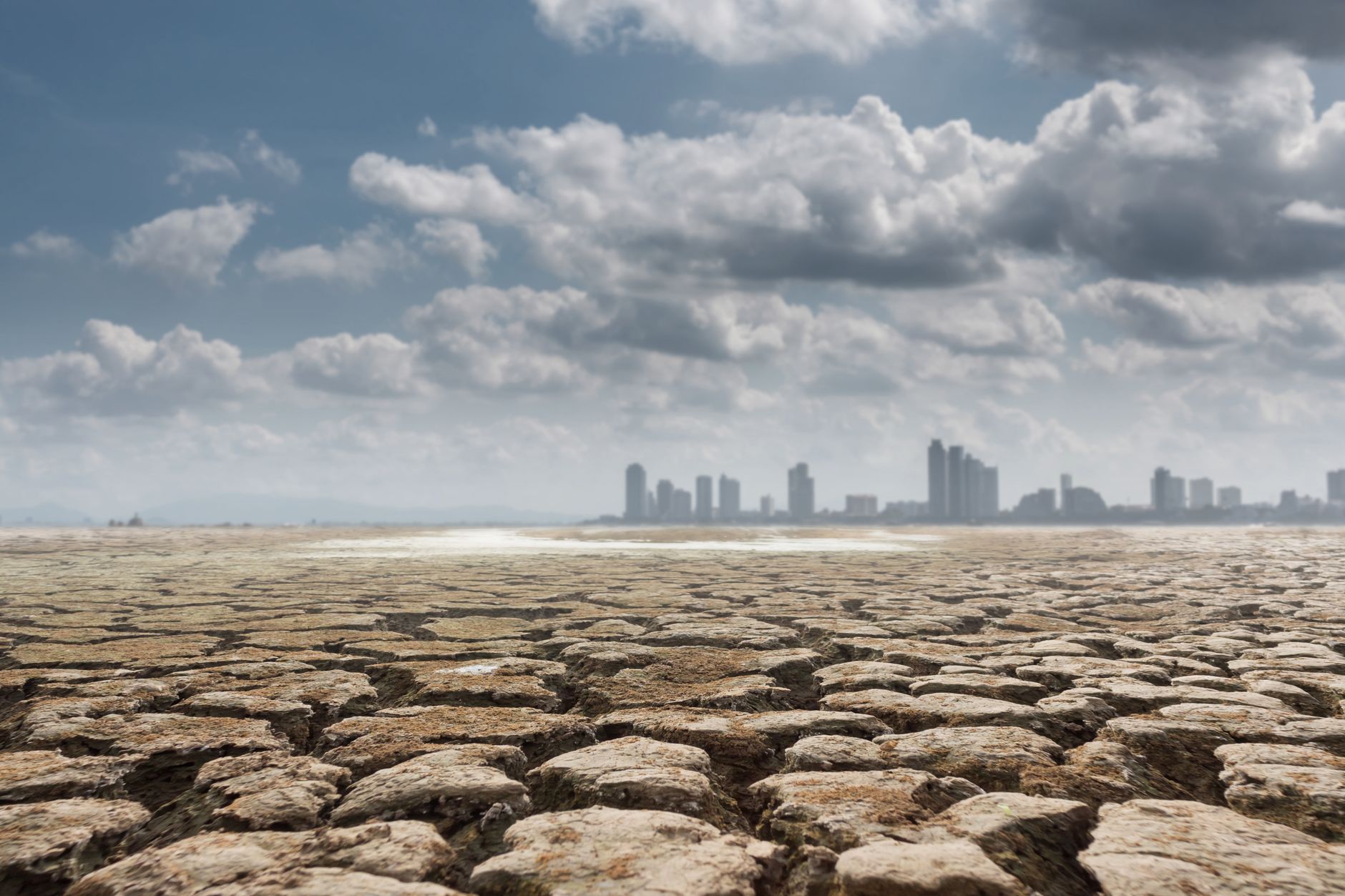
In the bustling heart of a city, where concrete jungles merge with green spaces, the future of our environment is being forged. As the world edges closer to environmental tipping points, urban areas are increasingly being recognised as the linchpins of climate resilience and sustainability. This is not merely a matter of planting more trees or installing solar panels but involves a wholesale reimagining of how cities operate and evolve.
With over 70% of the world's population living in cities, the stakes have never been higher. Urban centres are both the source of significant environmental pressures and the potential sites for innovative solutions. The challenge is not simply to mitigate the adverse effects of climate change but to transform cities into beacons of sustainability. This transformation requires a concerted effort from policymakers, businesses, and citizens alike.
Reimagining Urban Spaces
One of the most promising approaches lies in the concept of 'sponge cities', initially pioneered in China. These cities are designed to absorb rainwater efficiently, thereby reducing flooding and replenishing groundwater supplies. Similarly, the repurposing of existing infrastructure to meet new demands is gaining traction globally. For instance, old buildings are being retrofitted with energy-efficient systems, and unused spaces are being converted into community gardens.
However, these efforts require sustained investment and political will. Financing sustainable urban development remains a significant hurdle. As highlighted during this year's World Cities Day, it is essential for governments, international organisations, and private sectors to collaborate effectively. Without adequate funding, even the most innovative ideas may fall by the wayside.
The Role of Policy and Community
Political direction is crucial in steering these efforts. Cities like Copenhagen and Amsterdam have already set ambitious targets for carbon neutrality, leading by example. Yet, policy alone is insufficient. Community engagement and public participation are equally vital. It's the citizens who bring life to urban sustainability initiatives, whether through local clean-up drives or advocating for greener public transport options.
As we approach the tenth anniversary of the UN-Habitat’s New Urban Agenda, there is a renewed emphasis on inclusivity and equity. The environmental future of cities depends not just on technological advancements but on ensuring that all residents, regardless of socio-economic status, have access to the benefits of sustainable living.
Ultimately, cities have the power to change the trajectory of our environmental future. As stewards of the majority of the world's human population, their actions will resonate globally. The path to a sustainable future is undoubtedly complex, but with innovation, investment, and inclusivity, it is within reach.