Urban Centres: The Crucible of Our Environmental Future
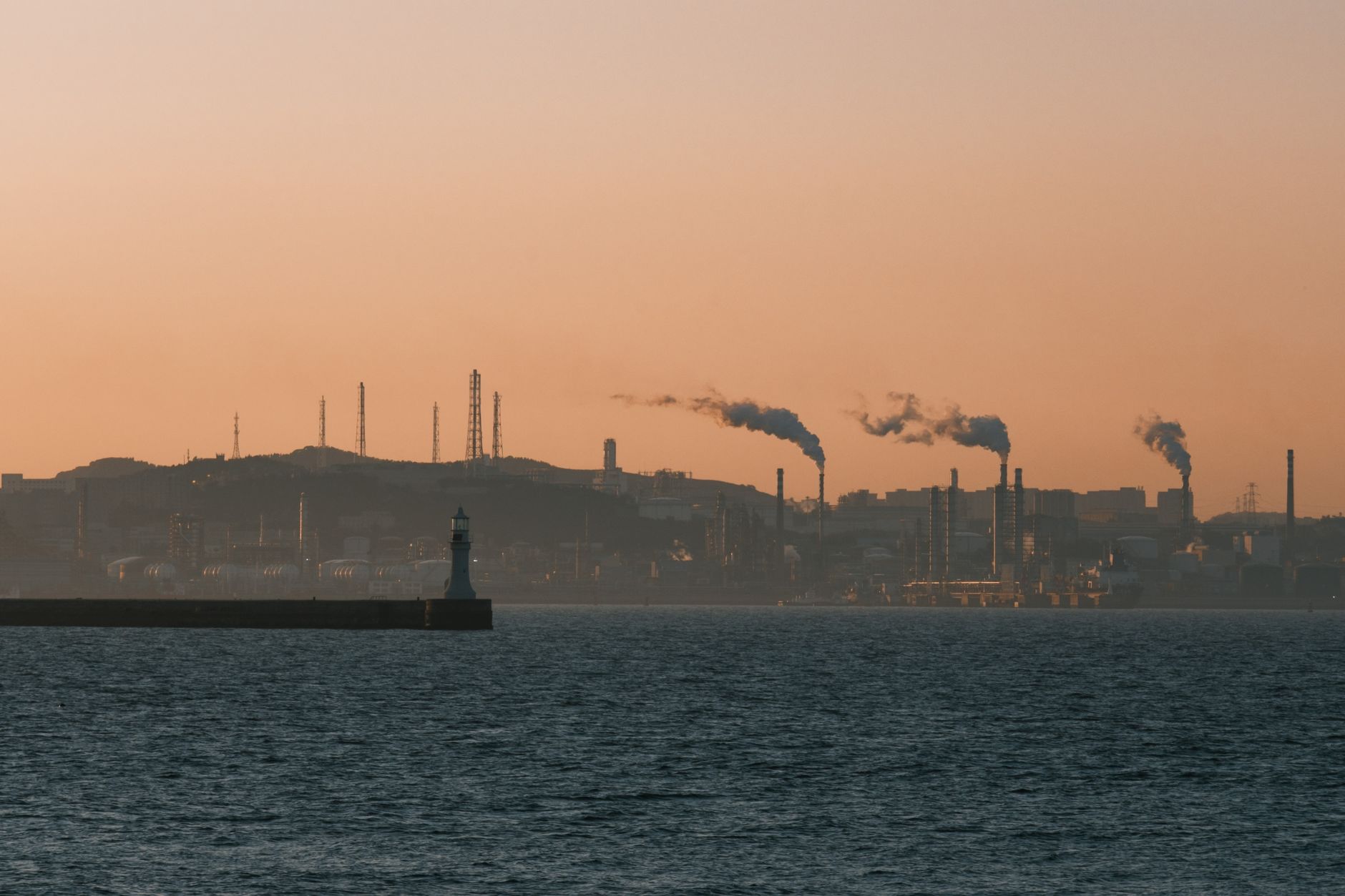
As the calendar inches towards 5 June, the day earmarked globally for World Environment Day, the spotlight has firmly shifted to an unlikely hero in the fight against climate change: the city. With over half the globe's populace residing in urban areas, these densely packed centres are not merely hubs of economic activity but also crucial battlegrounds where the war on carbon emissions and environmental degradation is being fought.
Historically, cities have been depicted as the culprits in pollution and resource consumption. Yet, they are increasingly seen as potential saviours. As experts convened at the World Science Festival in New York, discussions centred on how urban areas can spearhead meaningful environmental change. The narrative is shifting from blame to opportunity.
In Costa Rica, for instance, the government is charting a course to decarbonise its economy by 2050. This ambitious plan underscores the potential for cities to lead the charge in environmental innovation. Costa Rican cities are implementing energy-efficient infrastructures that could serve as blueprints for other urban centres worldwide.
The Role of Smart Cities
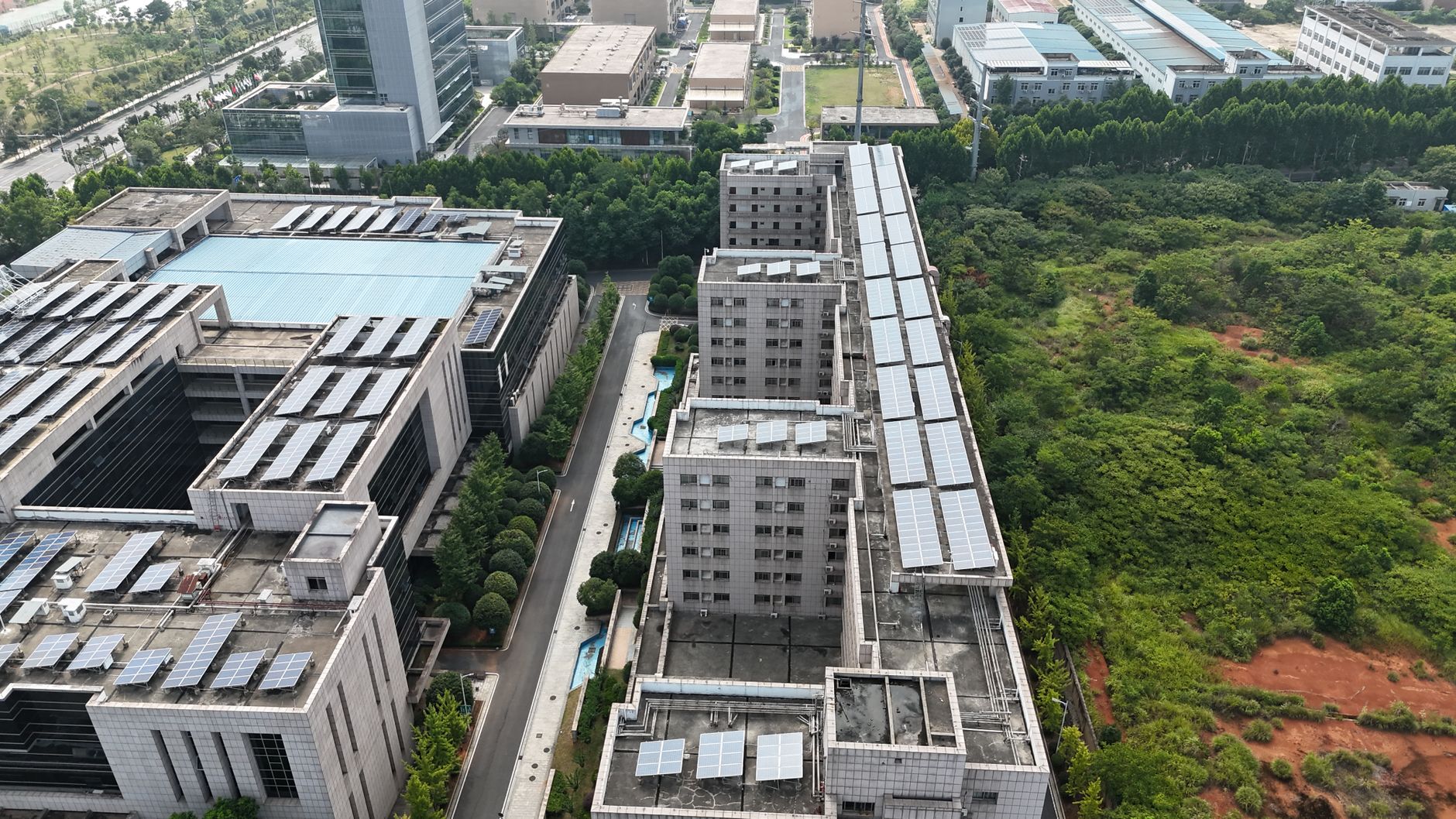
Smart cities, a term often bandied about but rarely understood in its full capacity, represent a confluence of technology and sustainability. Cities like Singapore and Copenhagen are making strides with cutting-edge technology aimed at decreasing carbon footprints. These urban areas are not only integrating renewable energy sources but also utilising data analytics to optimise resource use.
The challenge, however, lies in scaling these innovations. As urban populations swell, the pressure on resources will intensify. It's essential that cities build resilient infrastructures capable of withstanding the dual pressures of population growth and climate change.
Global Implications
Why does this matter? Quite simply, the fate of the world's environment may well be decided in cities. As urban areas expand, the need for sustainable development becomes ever more urgent. If cities can adapt and evolve, they might not only mitigate their environmental impact but also inspire rural areas to follow suit.
World Environment Day serves as a poignant reminder of the urgency of the task at hand. While governmental policies and international agreements are crucial, the real battlegrounds are in the bustling streets and towering skyscrapers of our cities. Here, amid the noise and haste, lies the potential for a greener, more sustainable future.