US Nuclear Energy: A Slow March Towards Modernisation
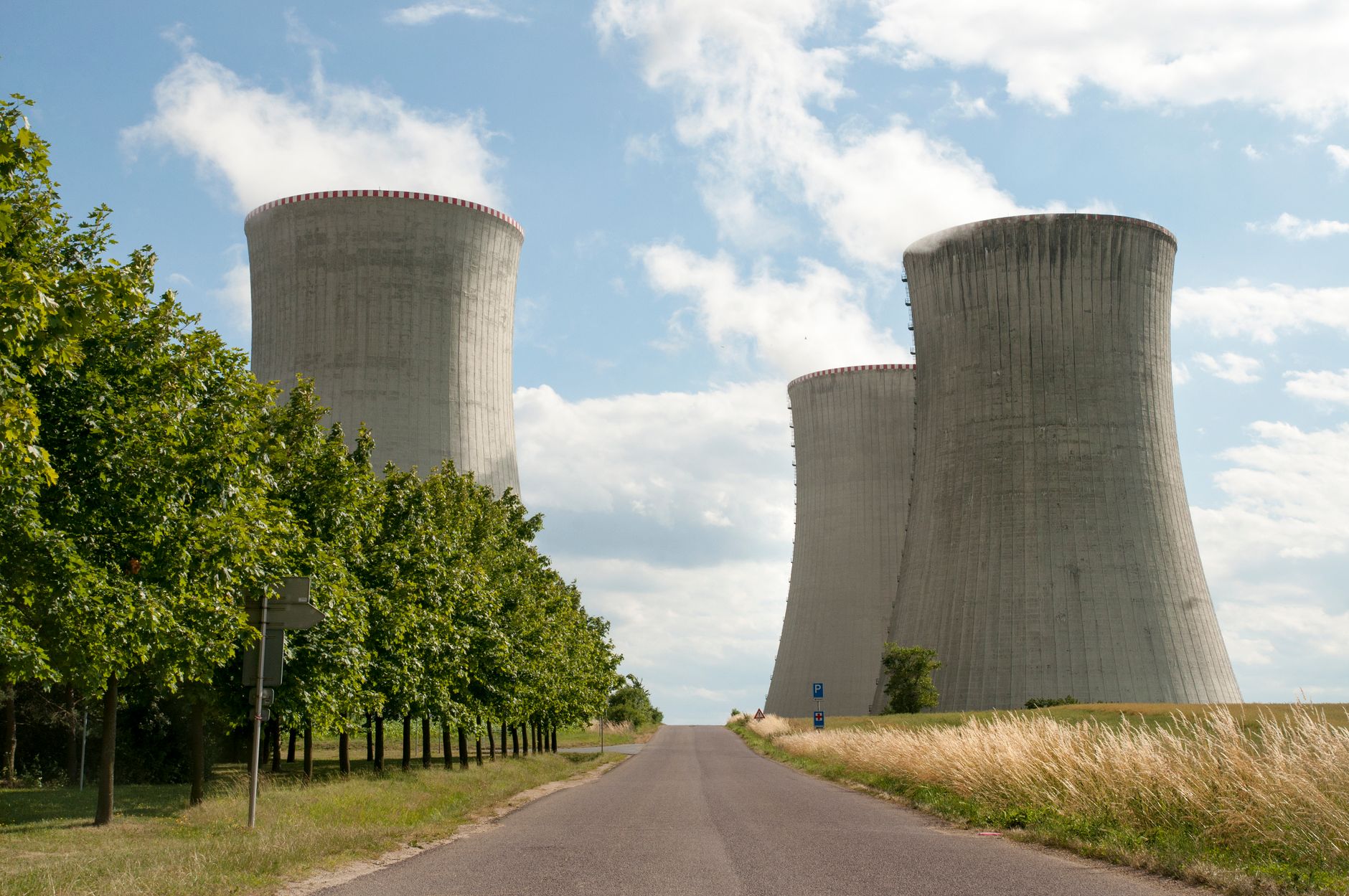
In recent times, the United States has found itself at the crossroads of a nuclear energy revival. A technological renaissance is being touted, yet the path is anything but straightforward. The landmark achievement of a self-sustaining small reactor marks a significant milestone, but it only scratches the surface of the challenges ahead.
The drive for transforming America's nuclear sector is not without its hurdles. Decades of neglect have left the industry with outdated infrastructure and a labyrinthine regulatory environment. Despite executive reforms and legislative backing, the pace of change is inevitably slow. Enthusiasm from the tech sector and a push for clean energy provide a much-needed tailwind, but merely addressing bottlenecks could take years.
The Case for Modernisation
Why, then, the renewed interest? As the world grapples with climate change, nuclear energy offers a compelling solution: a clean, reliable power source that can underpin both energy grids and burgeoning data centres. The Biden administration has positioned nuclear energy as a cornerstone of its clean energy strategy, yet overcoming scepticism and logistical challenges remains daunting.
Innovation is the key to this rebirth. Advanced reactor designs promise enhanced safety and efficiency, but transitioning from prototypes to full-scale production is a mammoth task. Government programmes, such as those spearheaded by the Department of Energy, aim to accelerate this transition, but patience will be required.
The Road Ahead
The potential rewards are significant. As the first small reactor reaches a critical milestone, optimism is tempered with realism. The industry's rebirth may be slow, but its implications for the future of energy are profound. A successful transition could position the United States as a global leader in nuclear technology, providing a blueprint for sustainable power generation worldwide.
In the end, the rebirth of US nuclear energy is more a marathon than a sprint. While the journey will be long and fraught with challenges, the destination holds the promise of a cleaner, more sustainable future.