Uttar Pradesh Harvests Success with Drip Irrigation in Sugarcane
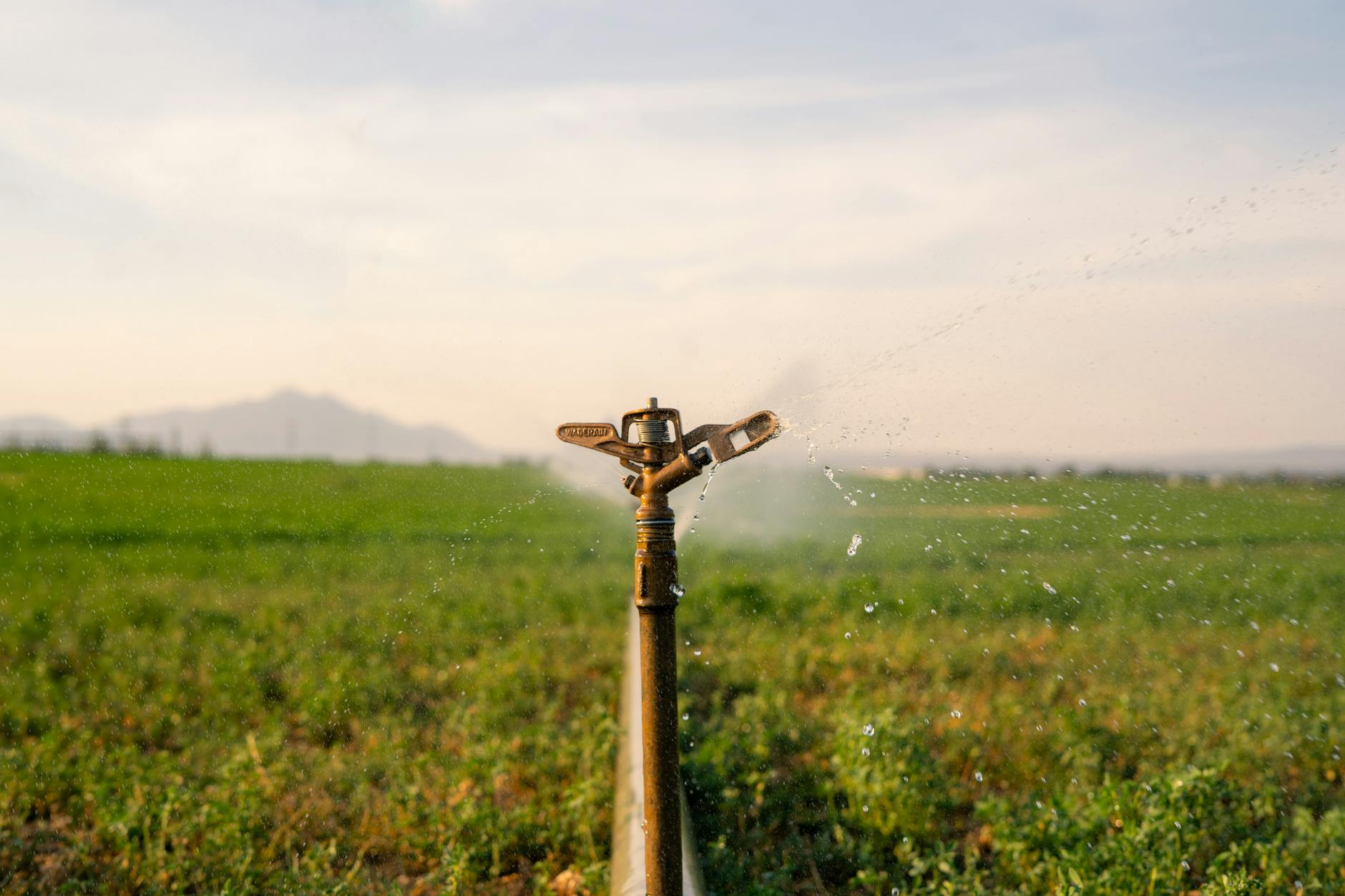
In an era where every drop counts, Uttar Pradesh is setting a precedent for agricultural innovation through the use of drip irrigation. Spanning over 73,078 hectares, this technology has proven to be a boon for sugarcane farmers, yielding a 25% increase in production.
According to the state government's sugarcane department, this initiative has not only enhanced crop output but also slashed water and fertiliser consumption by half. In a region where water scarcity poses a perennial challenge, such conservation is nothing short of transformative.
Water and Fertiliser Savings
The adoption of drip technology is a strategic manoeuvre that addresses two critical issues: resource conservation and productivity enhancement. By delivering water and nutrients directly to the plant roots, drip systems minimise waste, ensuring that every litre counts.
Farmers have noted a marked difference in their operations. 'Our water usage has been cut drastically, and yet, our yields have never been better,' said one local farmer. It's a sentiment echoed across the state as more cultivators turn to this efficient method.
Beyond the Yield: Ethanol Production
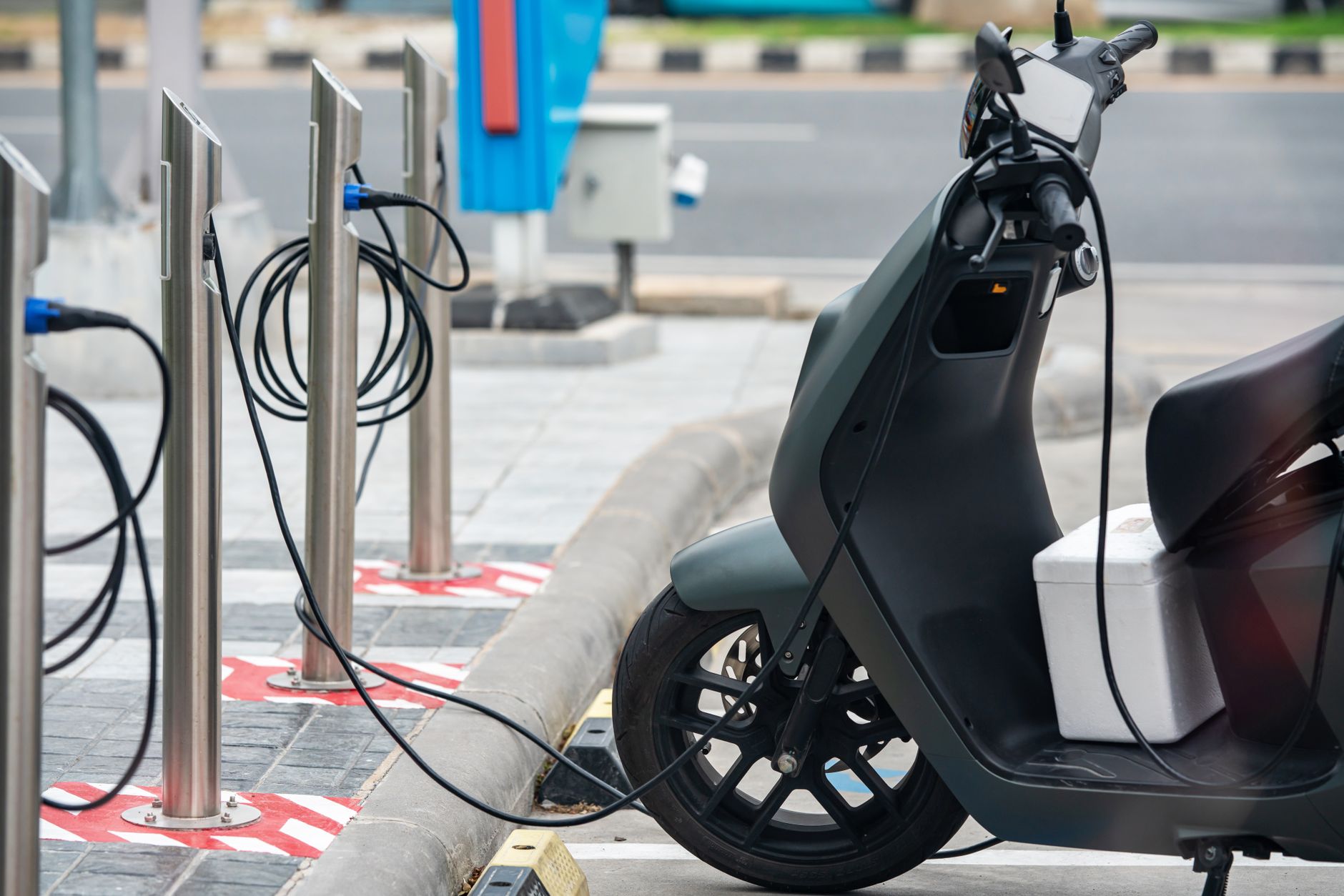
While the primary focus remains on boosting sugarcane yields, the implications of this technology are far-reaching. The increase in crop output has directly contributed to a rise in ethanol production capacity, aligning with India's broader energy goals.
As the country seeks to reduce its reliance on fossil fuels, ethanol presents a viable alternative. By integrating agricultural practices with energy policies, Uttar Pradesh is crafting a model that could inspire other states to follow suit.
In conclusion, the state's embrace of drip irrigation is not merely about agricultural statistics. It's a narrative of sustainability, innovation, and economic sense. With continued investment and education, the potential of such technology could reshape the agricultural landscape of India.