Vizag's Data Centre: Boon or Environmental Bane?
In the coastal city of Visakhapatnam, known as Vizag, a new player is making waves. The Adani Group's ambitious data centre project promises a technological leap forward, but at what cost to the environment?
The proposed facility, with an initial investment of ₹14,634 crores, is set to become a cornerstone of the region's technological infrastructure, bringing with it the allure of 24,000 new jobs. Yet, as the government nods approval for a 200MW power allocation, environmentalists are sounding the alarm.
Power and Water: The Environmental Toll
Data centres are notorious for their voracious appetite for power and water. The exponential growth of artificial intelligence has only intensified this demand, raising concerns about sustainability. The promise of economic growth must be weighed against the potential degradation of natural resources.
In the United States, similar facilities have been criticised for their environmental footprint. In Virginia, a coalition of climate advocacy groups is challenging the unchecked expansion of such energy-hungry infrastructures. Their efforts have put a spotlight on the trade-offs between technological advancement and environmental stewardship.
Vizag's Balancing Act
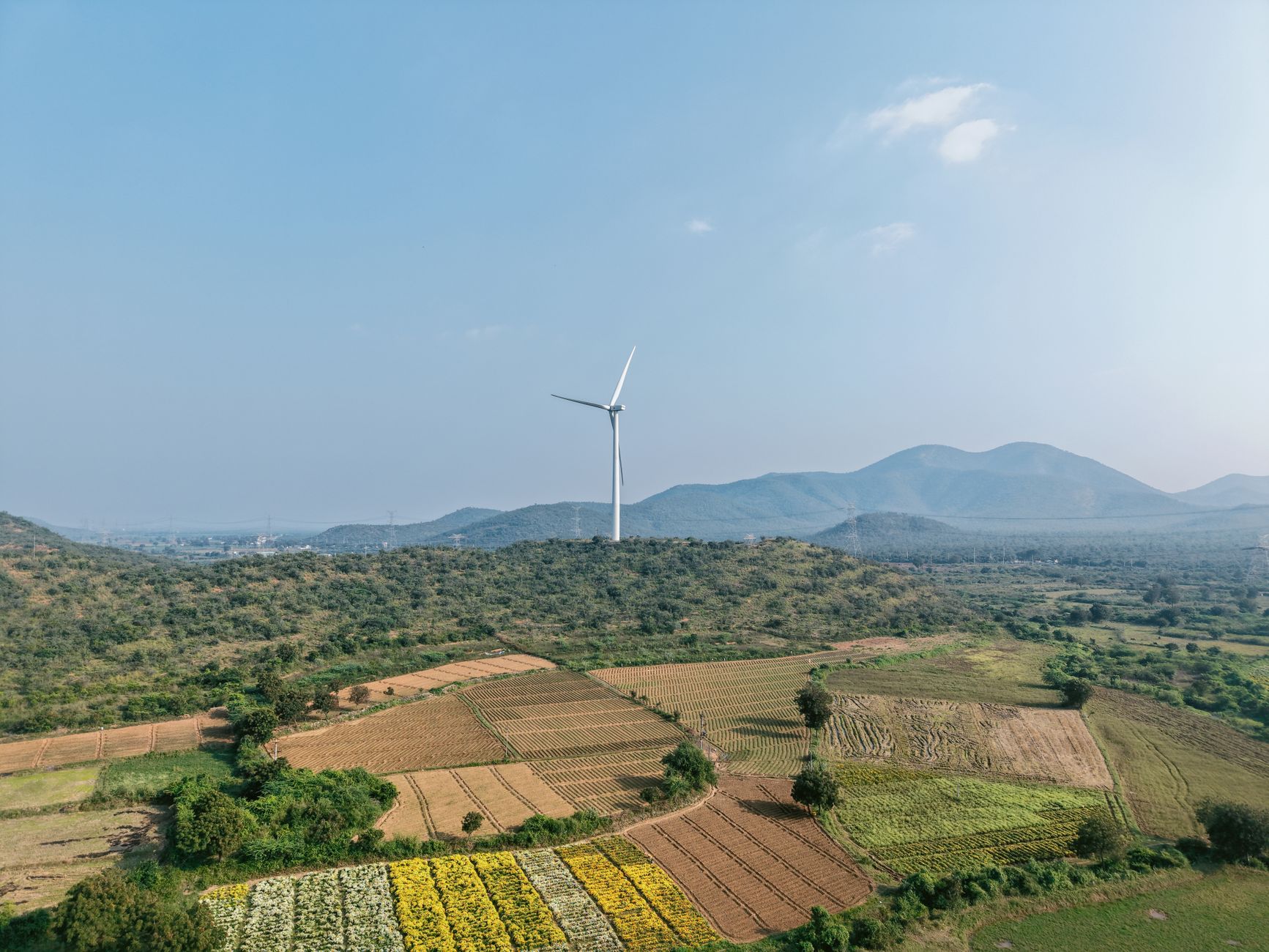
For Vizag, the challenge is clear: balance the economic benefits of a burgeoning tech hub with the need to preserve its natural beauty. The city's lush landscapes and rich biodiversity are at risk if development proceeds without stringent environmental safeguards.
Critics argue that the government must enforce strict environmental regulations and invest in sustainable technologies to mitigate the impact of such projects. Renewable energy sources and water conservation measures should be integral to the centre's development plan.
As India strides towards digital dominance, the lessons from other countries must guide its path. Vizag's data centre could indeed be a beacon of progress, but not if it dims the environmental prospects of future generations.