Water's Dual Nature: Scientists Unveil Molecular Evidence
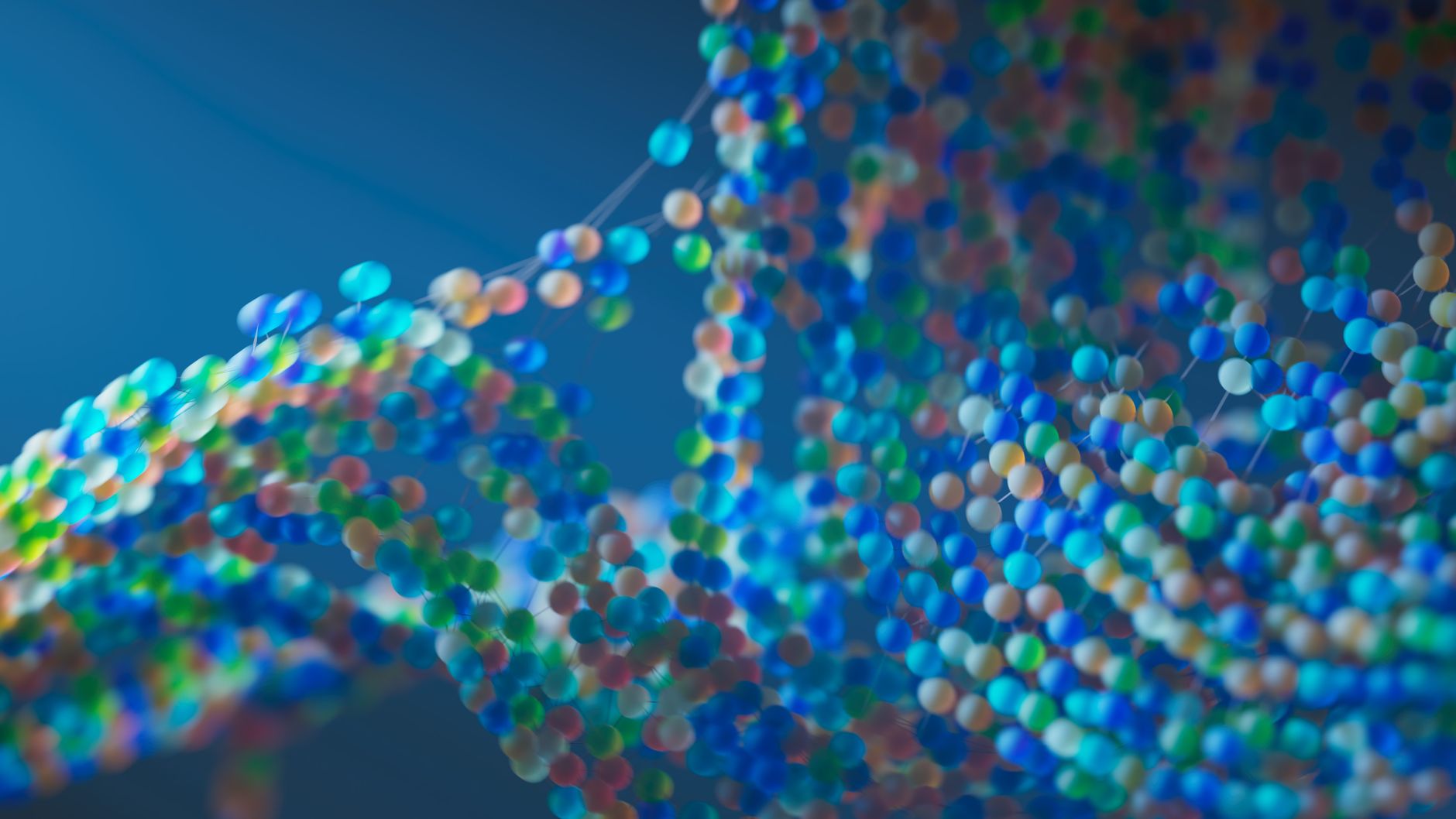
In a revelation that has the scientific community buzzing, researchers have successfully documented water's ability to switch between two distinct molecular structures. This discovery lends substantial credence to a theory that has intrigued and baffled scientists for decades: that water, the most ubiquitous of substances, can exist in two separate liquid forms at extreme temperatures.
Utilising the power of artificial intelligence, this study peered into the molecular heart of water, unveiling a dual nature that defies its simple, universal reputation. The research indicates that at particularly cold temperatures, water can assume two different structures. One is less dense and more ordered, while the other is denser and less organised. This dichotomy could explain water's unique behaviours, which have puzzled scientists since the days of Aristotle.
The Science Behind the Switch
The concept of 'structured water' has been a subject of fascination and controversy. The idea that water's molecular arrangement could be influenced by its environment, or even by external forces like human thought, has been met with scepticism. However, this new study, led by a team of international researchers, provides compelling evidence that water's structure is indeed more complex than previously thought.
By applying AI-driven techniques, the researchers were able to observe the molecular transition in real time. This capability marks a significant advance over traditional methods, which were unable to capture the fleeting nature of these structural changes. The findings suggest that water's behaviour is not merely a product of its temperature, but also its molecular configuration.
Implications and Future Research
The implications of this discovery are vast. Understanding water's dual nature could have profound effects on fields ranging from climate science to medicine. If water can exist in two different states, it might explain its anomalous properties, such as its density maximum at 4°C or its ability to dissolve more substances than any other liquid.
Further research is needed to explore the potential applications of this knowledge. Scientists are keen to investigate how these findings can be utilised in practical scenarios, such as improving water purification processes or enhancing drug delivery systems. As the research continues, the age-old mystery of water may finally be on the brink of being unraveled.