Water's Molecular Dance: Scientists Validate Long-Held Theory
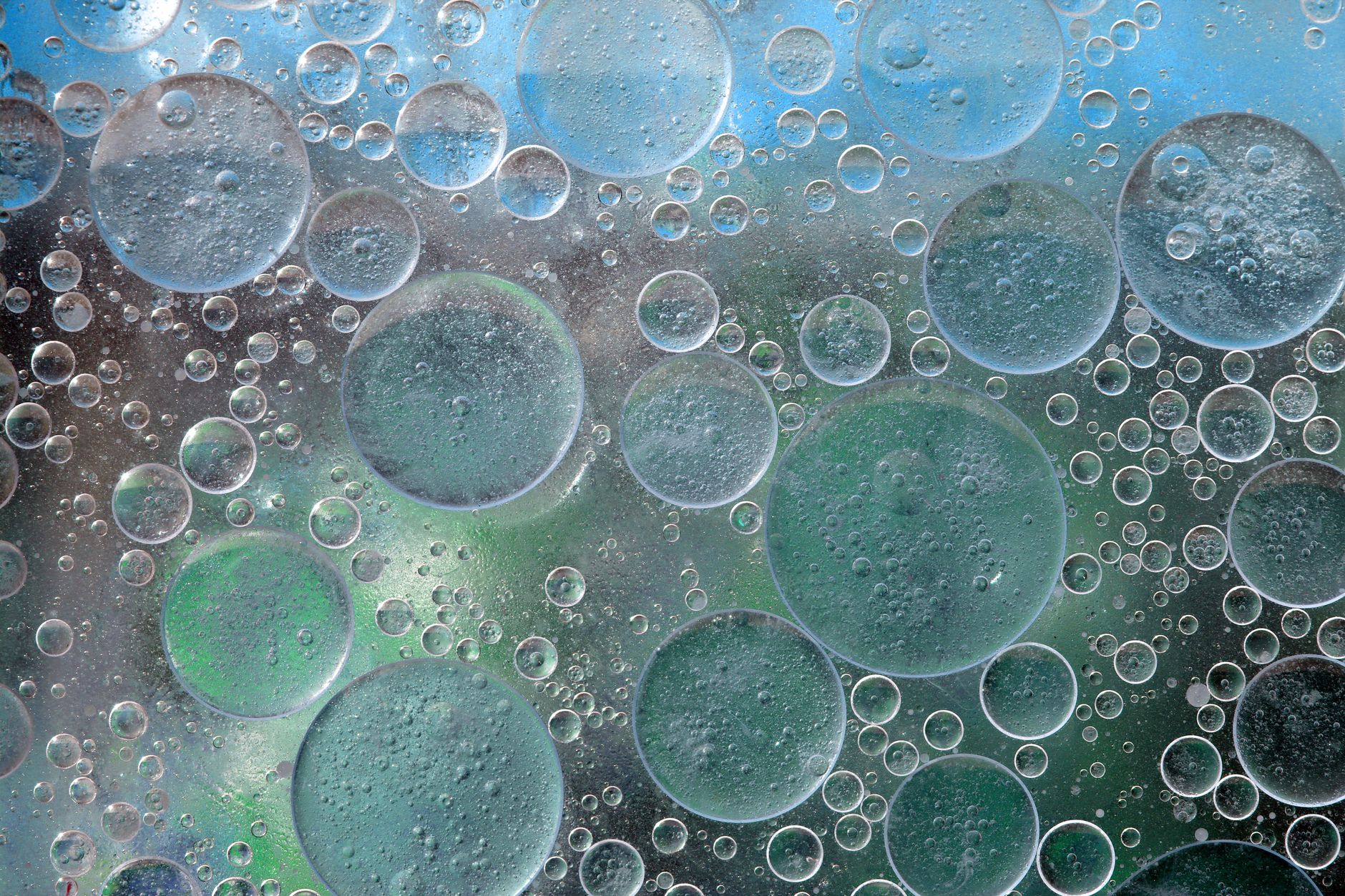
Water, often taken for granted in its ubiquity, has once again revealed its enigmatic nature. In an unprecedented study, scientists have observed water molecules oscillating between two distinct structures, substantiating a theory that has intrigued researchers for decades.
For years, scientists have postulated that water, under certain conditions, could exist in two different molecular configurations. The recent findings confirm these speculations, showcasing water's ability to switch between a high-density and a low-density structure. This revelation not only supports the theoretical framework but also opens new avenues for exploration in fields ranging from biology to climate science.
The Mystery of Water
Water's peculiar properties have long puzzled scientists. Despite its simple chemical formula, H2O, it behaves unlike any other substance. It expands upon freezing, exhibits high surface tension, and is an excellent solvent. These characteristics are largely attributed to hydrogen bonding, but the exact nature of these bonds has been a topic of debate.
The current findings suggest that water's dual molecular structure could be a key factor in explaining its anomalous behaviour. By shifting between these structures, water can adapt to varying environmental conditions, maintaining its role as a life-sustaining liquid.
Implications for Science
The implications of this discovery are far-reaching. In biology, understanding water's structural dynamics could enhance our knowledge of cellular processes, as water is integral to biological functions. In climate science, these insights might aid in modelling water's role in atmospheric phenomena, potentially improving predictions of weather patterns and climate change impacts.
Moreover, this breakthrough could influence technological advancements, particularly in areas like materials science and nanotechnology, where water's behaviour is a critical factor.
As researchers delve deeper into the molecular dance of water, they are likely to uncover even more secrets about this essential compound. For now, the validation of this decades-old theory marks a significant step forward in the scientific understanding of water, reinforcing its status as one of the most fascinating substances on Earth.