Webb Telescope Unveils Starry Secrets of Messier 82
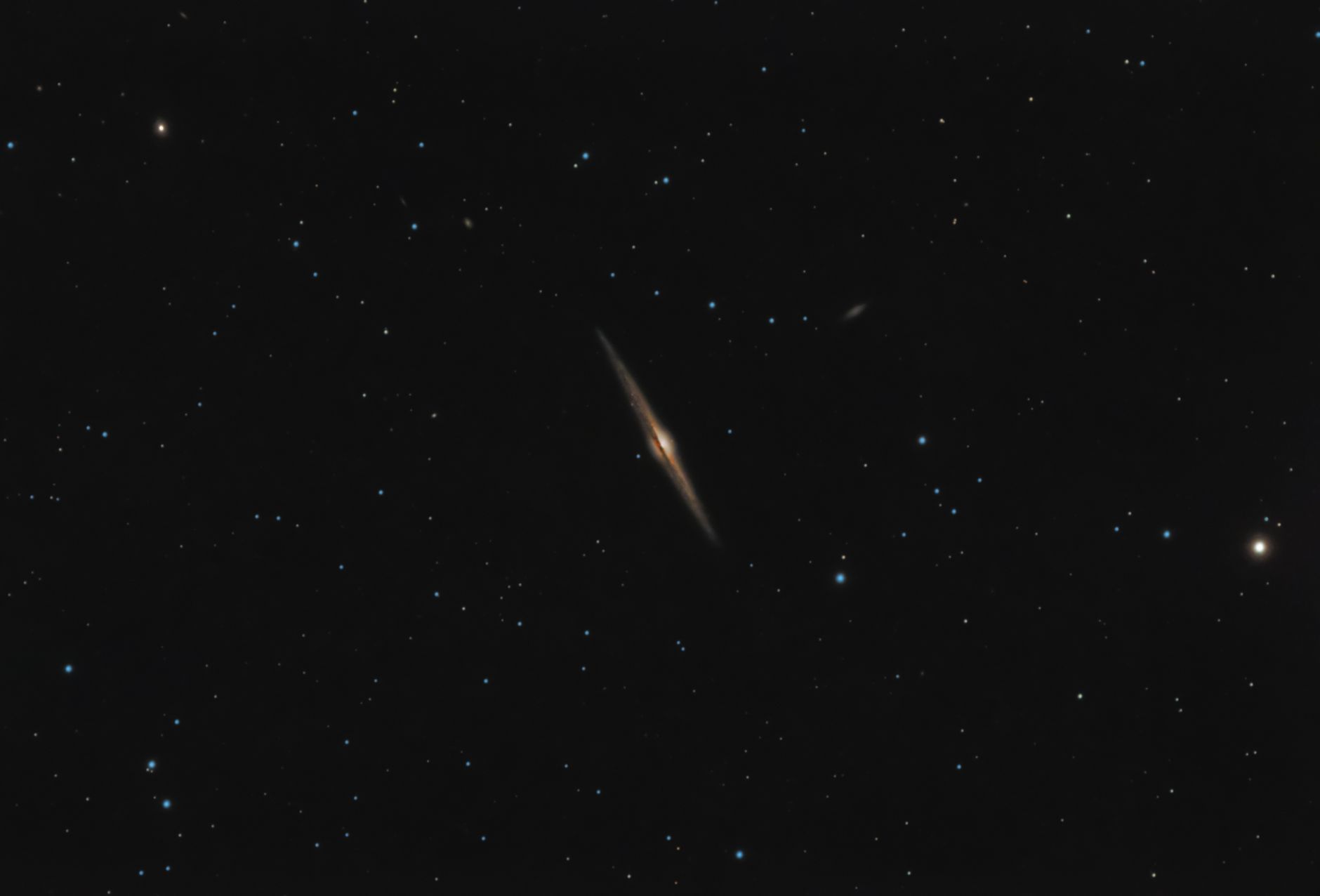
In a revelation that has left the astronomical community agog, NASA's James Webb Space Telescope has trained its formidable eyes on Messier 82, unravelling a tapestry of stars never before seen. Nestled a mere 12 million light-years from Earth, this cosmic gem, affectionately dubbed the Cigar Galaxy, is in the throes of a stellar frenzy.
The galaxy, an edge-on spiral, is not just another pretty face in the universe. It is a starburst galaxy, where new stars are born at a pace tenfold that of our own Milky Way. This frenetic activity is largely attributed to a galactic collision—a cosmic dance that has stirred the primordial soup of gas and dust into a veritable nursery of stars.
Thanks to Webb's cutting-edge technology, astronomers can now peer deeper into the heart of M82 than ever before, pinpointing millions of stars and their nascent clusters. This discovery is more than just a feather in the cap of observational astronomy; it is a window into the past, offering clues about how such galaxies evolve and what fates await them.
The Cosmic Ballet
Messier 82, first catalogued in 1774 by Johann Elert Bode, has long intrigued scientists with its unusual shape and behaviour. The recent Webb observations have thrown light on the galaxy's central regions, where intense star formation is sculpting the cosmic landscape. This provides a rare opportunity to study the lifecycle of stars from their birth in dense clouds to their eventual end.
The data gathered by Webb could redefine our understanding of starburst galaxies. These stellar factories, although not enduring, offer a unique glimpse into the mechanics of star formation. The speed at which stars are being formed in M82 is a double-edged sword: while it illuminates the galaxy with youthful vigour, it also heralds an eventual decline as the raw materials for star formation are exhausted.
As the Webb telescope continues to delve into the mysteries of the universe, the findings from Messier 82 will undoubtedly enrich our cosmic knowledge. With each new image, astronomers get closer to answering profound questions about the nature of galaxies, the universe, and our place within it.