West Bengal's Tigers May Roar Again: A Bold Conservation Plan
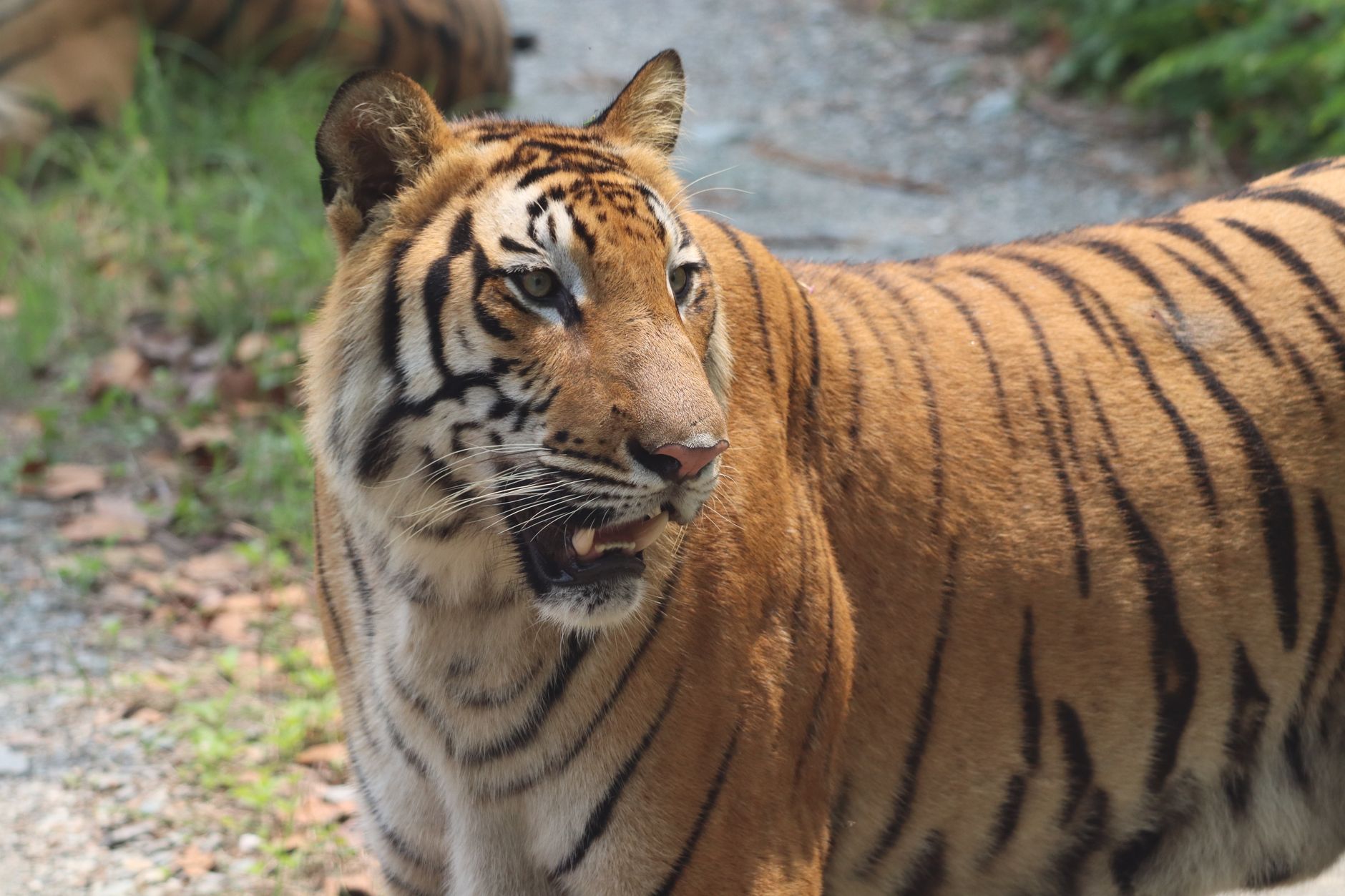
In an announcement that has captured the attention of conservationists and wildlife enthusiasts alike, Union Environment Minister Bhupender Yadav revealed plans to explore the reintroduction of tigers in West Bengal. This initiative is poised to revive the majestic creature's presence in the state, where it once roamed freely.
Minister Yadav emphasised that the plan would involve meticulous scientific planning and consultation with experts. 'It's not just about bringing back the tigers,' he stated, 'it's about restoring the ecological balance and enhancing biodiversity in the region.'
The plan comes as the BJP government, currently at the helm in West Bengal, seeks to make its mark on environmental conservation. The move is seen as a strategic step not only to protect the endangered species but also to bolster the region's natural heritage.
Historical Context and Challenges
Tigers once thrived in West Bengal, particularly in the Sundarbans, the world's largest mangrove forest. However, due to habitat loss, poaching, and human-wildlife conflict, their numbers dwindled. Conservationists have long advocated for measures to protect and reintroduce tigers, but such efforts require careful planning to avoid repeating past mistakes.
Reintroducing tigers is no small feat, given the complexities involved in ensuring their survival. The Centre's approach involves identifying suitable habitats, mitigating human-tiger conflicts, and establishing corridors connecting fragmented landscapes.
A Broader Environmental Impact
The reintroduction of tigers into West Bengal is more than a mere conservation effort. It represents a broader commitment to protecting the state's diverse ecosystems. Tigers, being apex predators, play a crucial role in maintaining the balance of their habitats. Their presence can significantly affect the populations of other species, thus promoting a healthier ecosystem.
Experts suggest that this initiative, if successful, could serve as a model for similar conservation efforts across India. It highlights the importance of integrating scientific research with local knowledge and community involvement.
As plans progress, the world will be watching closely to see if West Bengal becomes a new haven for tigers, setting a precedent for wildlife conservation in India and beyond.