Women and Marginalised Groups Propel India's Higher Education Boom
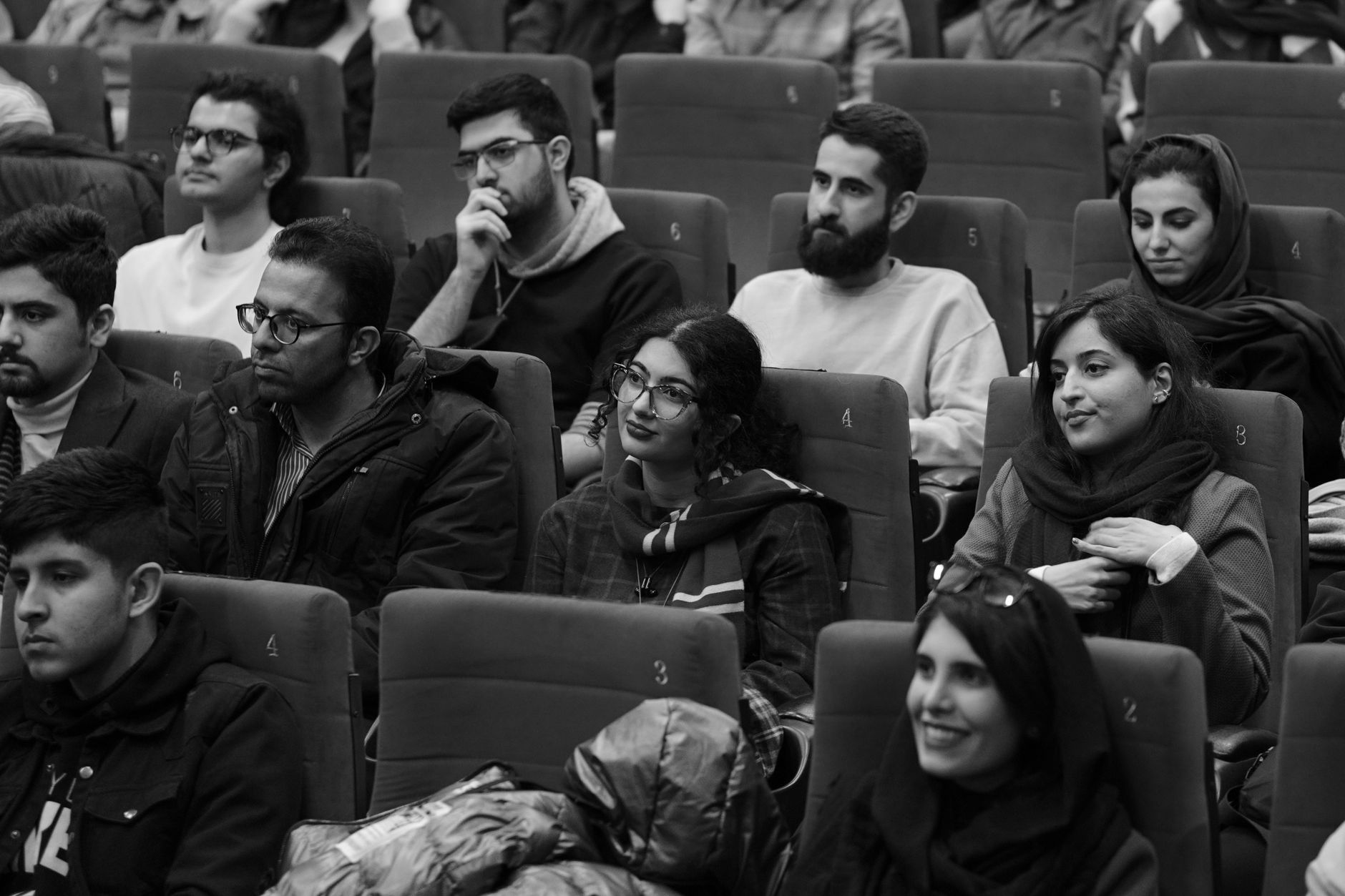
In an era where access to education is increasingly seen as a fundamental right, India has achieved a remarkable milestone. The All India Survey on Higher Education (AISHE) report reveals that higher education enrolment has swelled to 4.5 crore. Notably, it is women and marginalised groups who are leading this charge, signalling a shift in the educational dynamics of the nation.
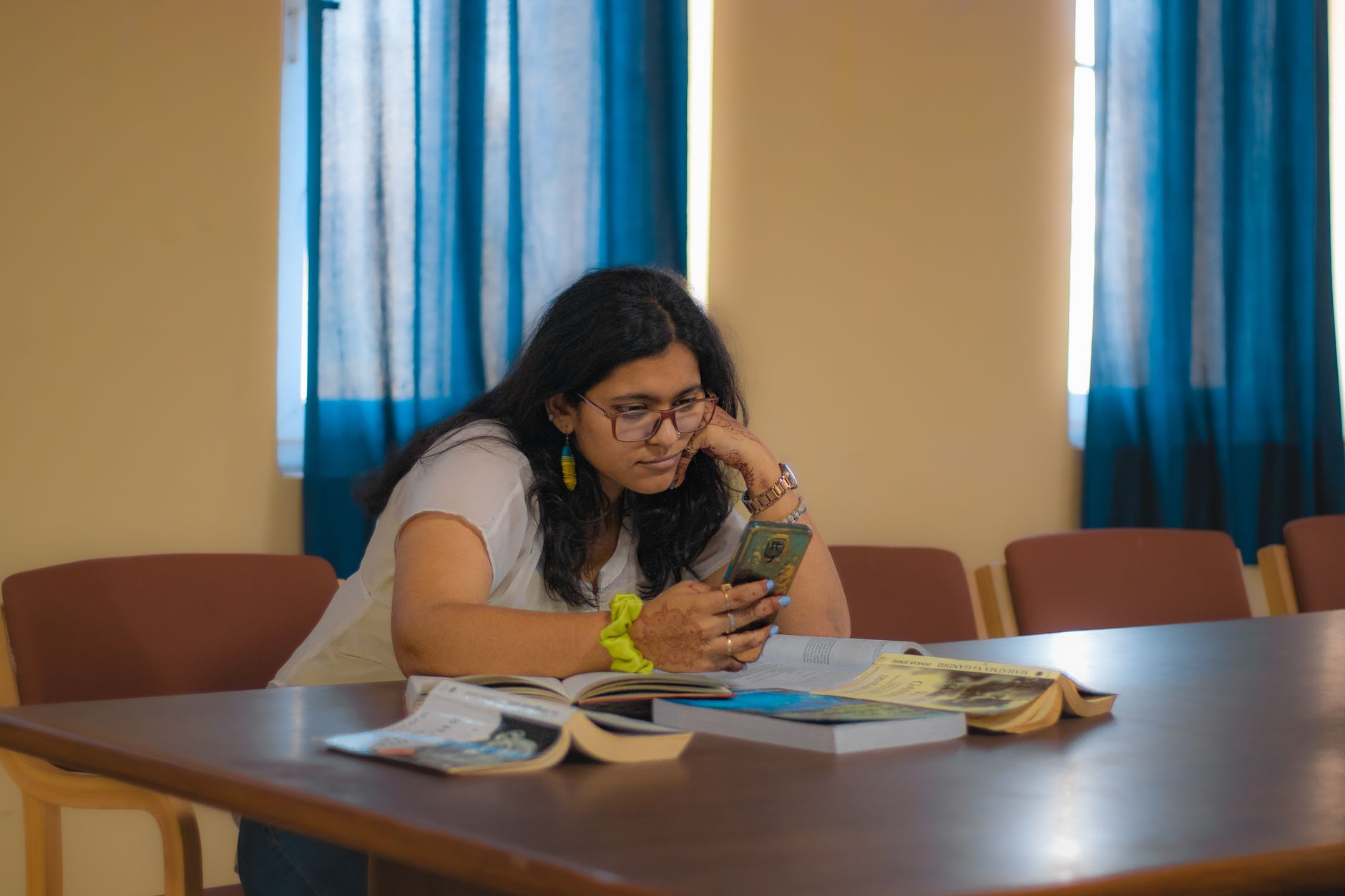
While the sheer numbers are impressive, the underlying narratives are more compelling. Women, traditionally burdened by societal constraints, are now entering universities and colleges in unprecedented numbers. This change is not just statistical but symbolic of a broader socio-cultural evolution. The efforts for gender parity in education seem to be bearing fruit, as more women pursue academic ambitions, challenging archaic norms that once tethered them to domestic roles.
Marginalised Groups on the Rise
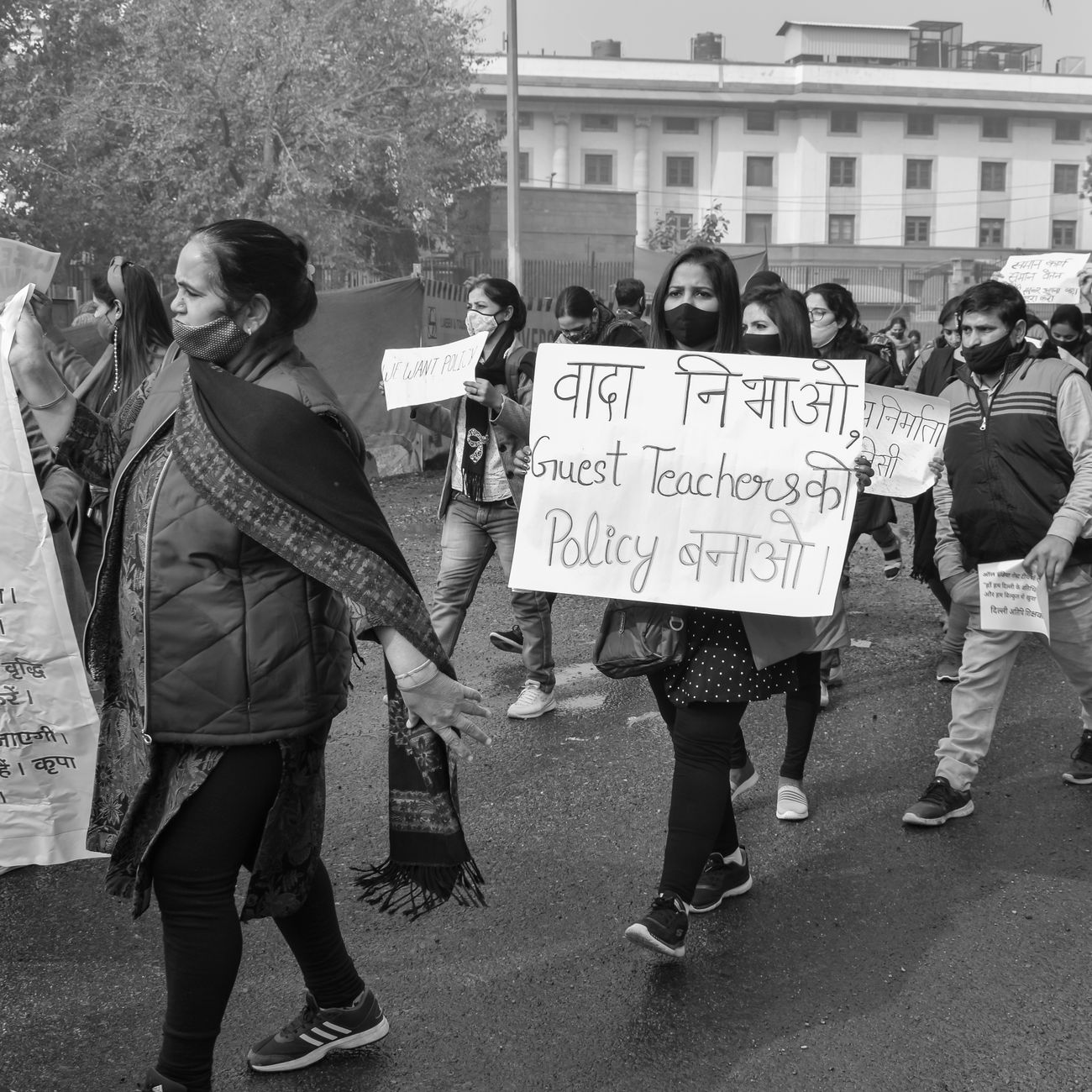
The AISHE report also highlights an encouraging trend among marginalised communities, which have historically faced barriers to education. Affirmative action policies, scholarships, and targeted outreach programmes appear to be making a tangible difference. For many in these communities, higher education is a stepping stone to socio-economic upliftment, offering a path out of poverty and disenfranchisement.
Analysts suggest that this surge in enrolment could have far-reaching implications. With more diverse voices entering academia, the spectrum of research, innovation, and discourse is likely to expand. This diversity can enrich the academic environment, fostering a culture of inclusivity and broadening the horizons of scholarly inquiry.
The Road Ahead
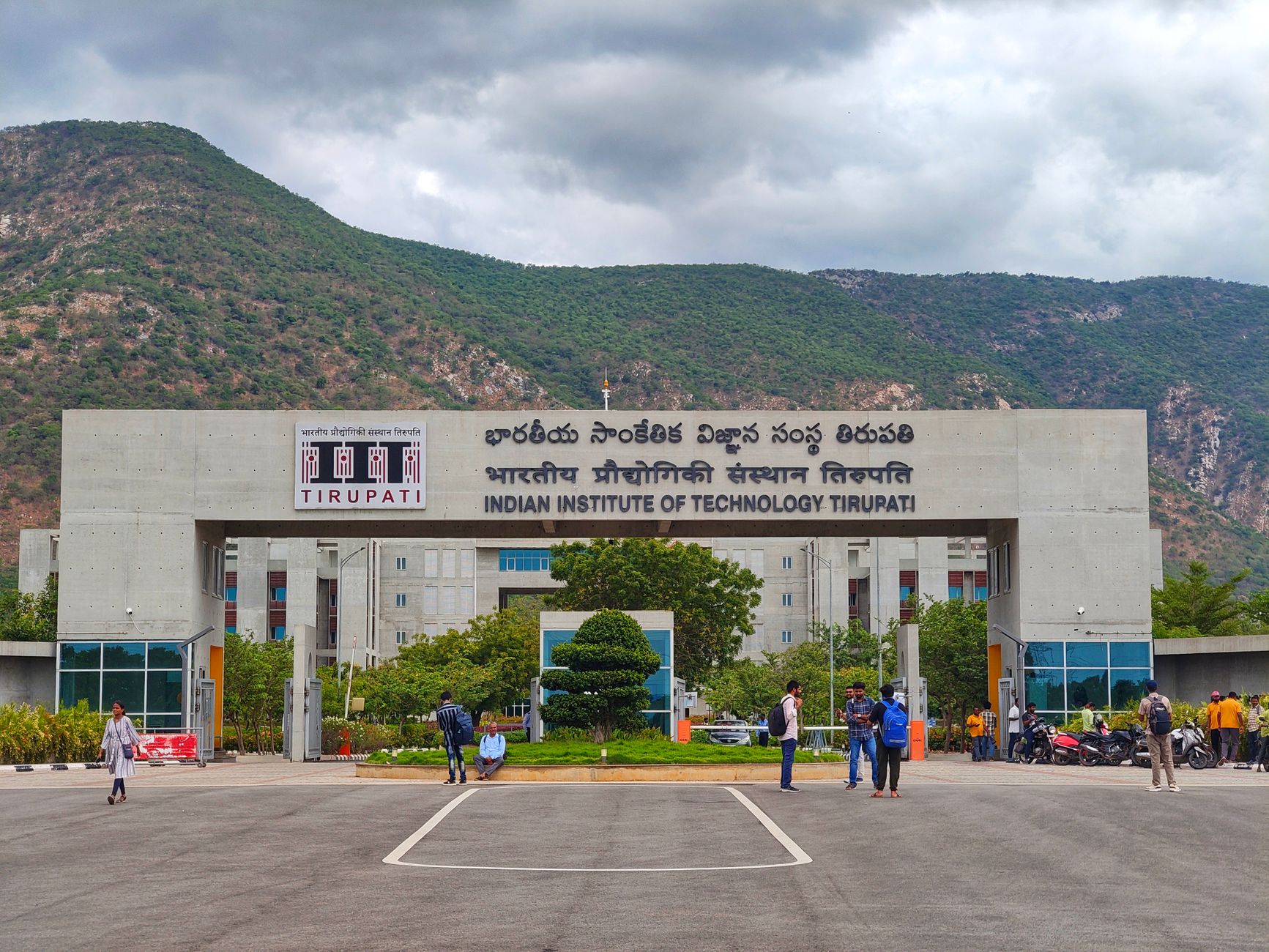
While the enrolment figures are cause for celebration, challenges remain. Infrastructure at many institutions is struggling to cope with the influx of students, and there are concerns about maintaining educational quality. Moreover, the journey from enrolment to graduation is fraught with obstacles, particularly for first-generation learners who may lack familial support or face financial difficulties.
Nevertheless, the progress documented in the AISHE report is a testament to India’s evolving educational landscape. It underscores the potential for education to act as a catalyst for change, not only in individual lives but across society as a whole. As India continues on this path, the hope is that the barriers to education will diminish further, paving the way for an even more inclusive future.