Women Lead the Charge in India's Higher Education Surge

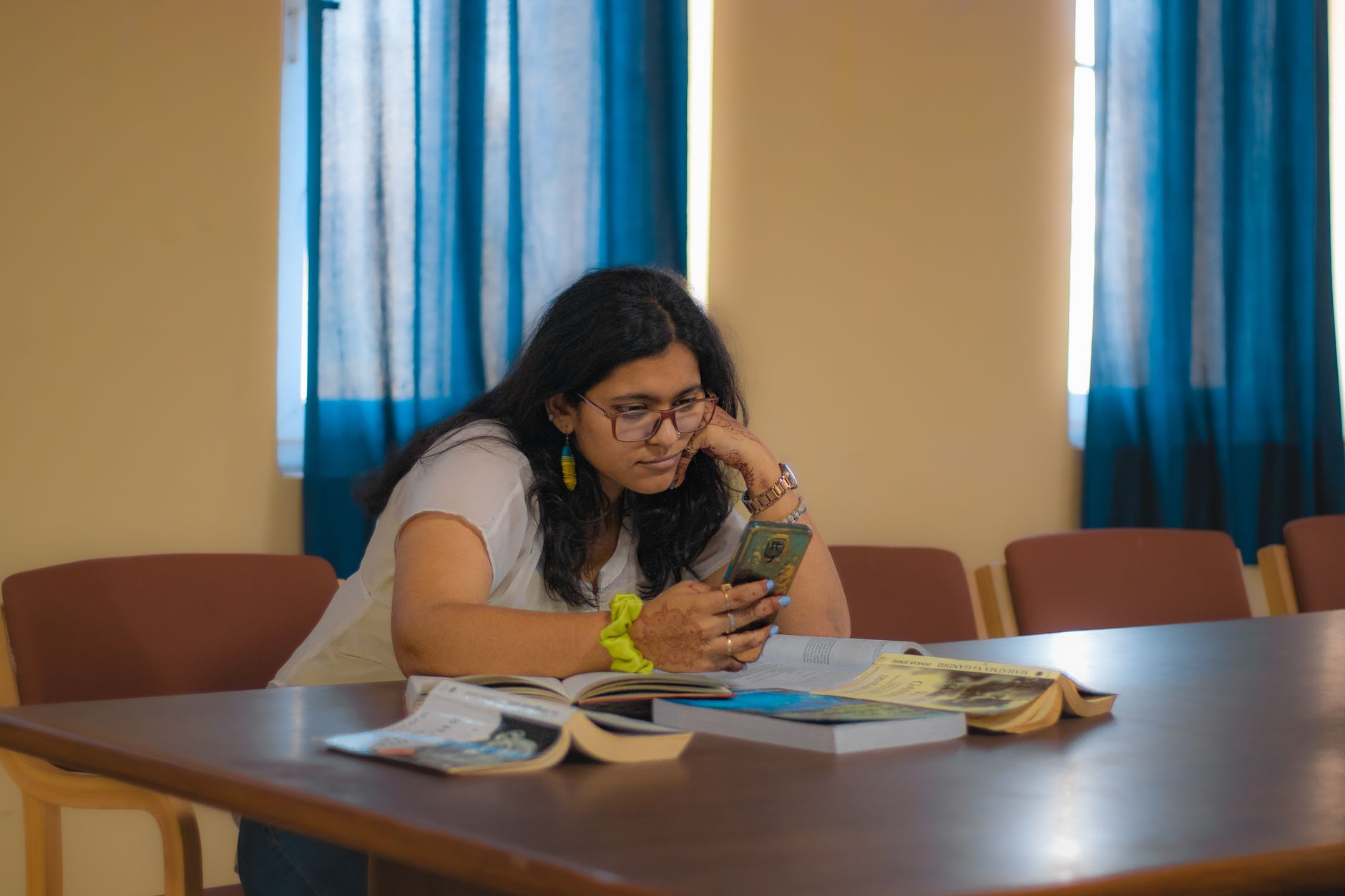
In an era where the winds of change are sweeping across India's educational landscape, the latest All India Survey on Higher Education (AISHE) data for 2023-24 offers a glimpse into a promising future. Women, long sidelined in many spheres, have made remarkable strides in higher education, with their enrolment figures climbing by 42% in the past decade. From 1.57 crore in 2014-15 to 2.24 crore now, they represent nearly half of all students.
This monumental shift is not merely a statistical triumph. It reflects a broader societal transformation where education is increasingly viewed as a fundamental right for all, regardless of gender. The Gender Parity Index (GPI) stands at a commendable 1.08, suggesting that women are, at last, on an equal footing with men in the realm of higher education.
Beyond Numbers: The Broader Implications
While the numbers themselves are impressive, they tell only part of the story. The AISHE data underscores the significant strides made by marginalised groups, including Scheduled Castes, Scheduled Tribes, and Other Backward Classes. In a country where caste dynamics have often dictated social mobility, such progress is noteworthy.
India's overall higher education enrolment has reached 4.5 crore, an achievement that speaks volumes about the nation's commitment to education. The Gross Enrolment Ratio (GER) for females stands at 31.2, slightly surpassing that of males at 30.0, indicating a trend towards gender parity not just in enrolment but in educational aspirations.
The Road Ahead
However, challenges remain. While access has improved, the quality of education continues to vary significantly across institutions. Ensuring that this burgeoning student population receives not only education but quality education is crucial. Moreover, bridging the gap between urban and rural educational facilities remains a priority.
As India continues to evolve, the role of education as a transformative tool cannot be overstated. The AISHE data is a testament to progress made but also a clarion call for continued efforts towards inclusivity and equality in education.