Women's Dominance in Indian Higher Education Continues Unabated
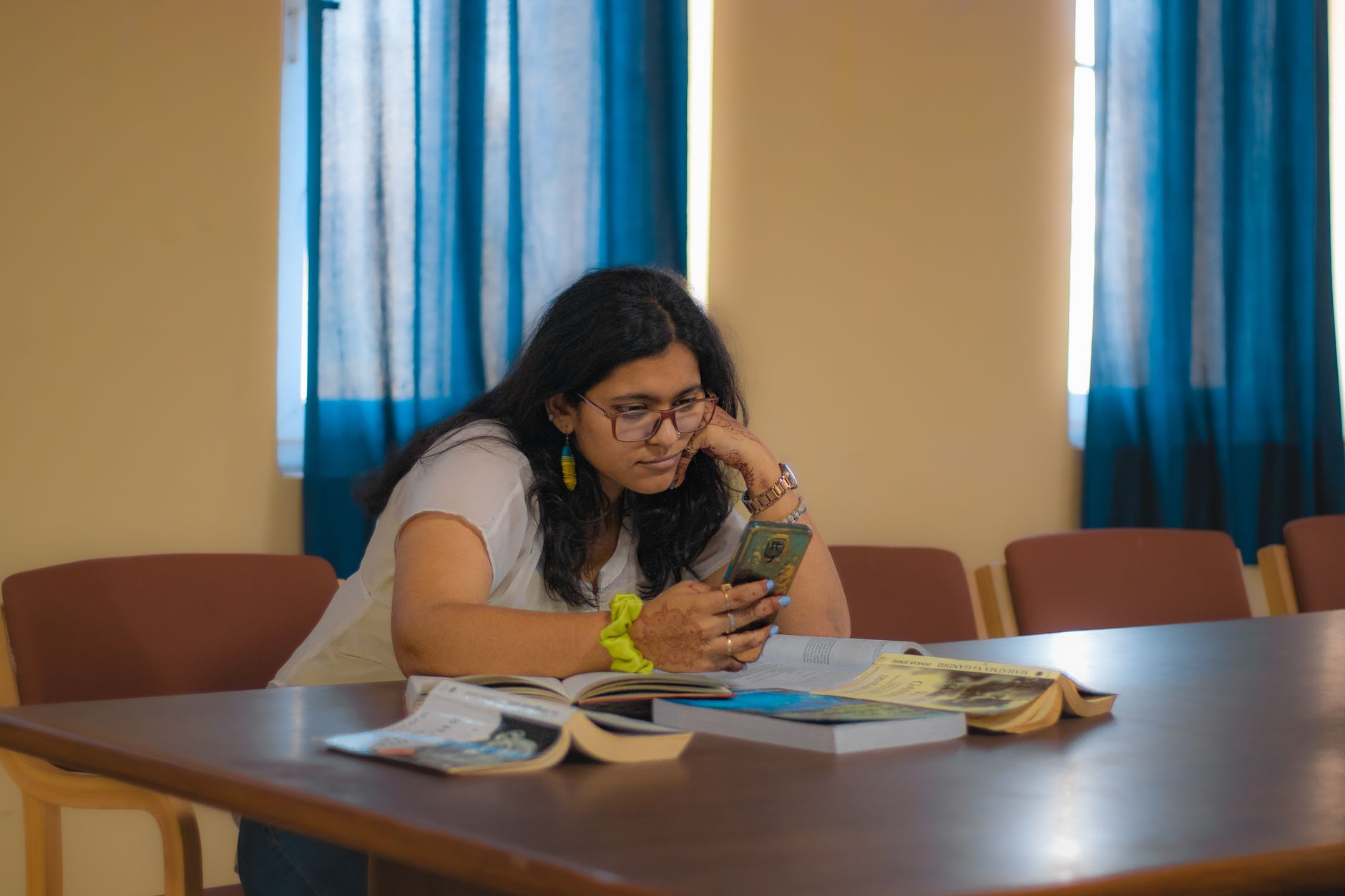
In a development that speaks volumes about changing societal norms, women have been at the forefront of higher education enrolment in India for the seventh year running. According to the latest figures, a staggering 4.50 crore students have enrolled in higher education institutions for the academic year 2023-24. This landmark achievement underscores not just numerical growth but a significant shift in gender dynamics.
Once regarded as a male-dominated domain, Indian higher education has seen a growing influx of female students. The reasons for this surge are manifold. From increased awareness and government initiatives to the undeniable determination of women themselves, the factors contributing to this shift are both complex and intertwined.
The Impact of Policy and Social Change
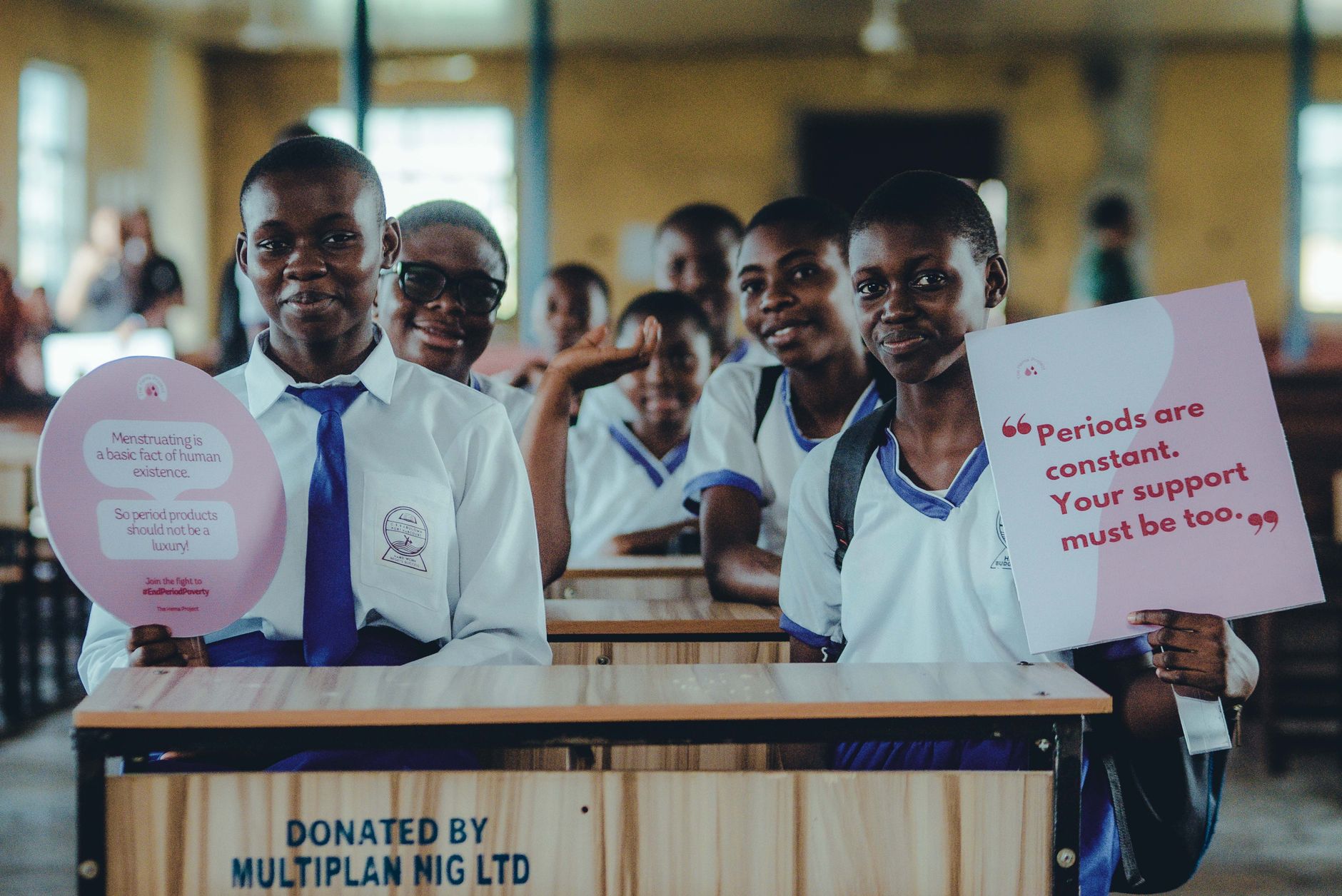
Government policies aimed at promoting female education have borne fruit. Initiatives such as scholarships for girls, free bicycles, and the construction of girls' hostels have made education more accessible. Moreover, societal attitudes towards female education have gradually changed, with families increasingly recognising the value of educating their daughters.
Despite these advances, challenges remain. Infrastructure in some regions is inadequate, and societal pressures still hinder many women from pursuing higher studies. Nevertheless, the consistent rise in female enrolment rates suggests a positive trajectory.
Why This Matters
The implications of this trend are far-reaching. An educated female populace is not only crucial for gender equality but also for economic growth. Educated women tend to have smaller, healthier families, and their participation in the workforce can drive economic development. As more women acquire higher education, they are likely to challenge existing gender roles, thereby contributing to a more equitable society.
While the numbers are encouraging, stakeholders must ensure this momentum is maintained. Continued investment in education infrastructure and policies that support women's education will be key. As India moves forward, the role of women in shaping the nation's educational landscape cannot be overstated.