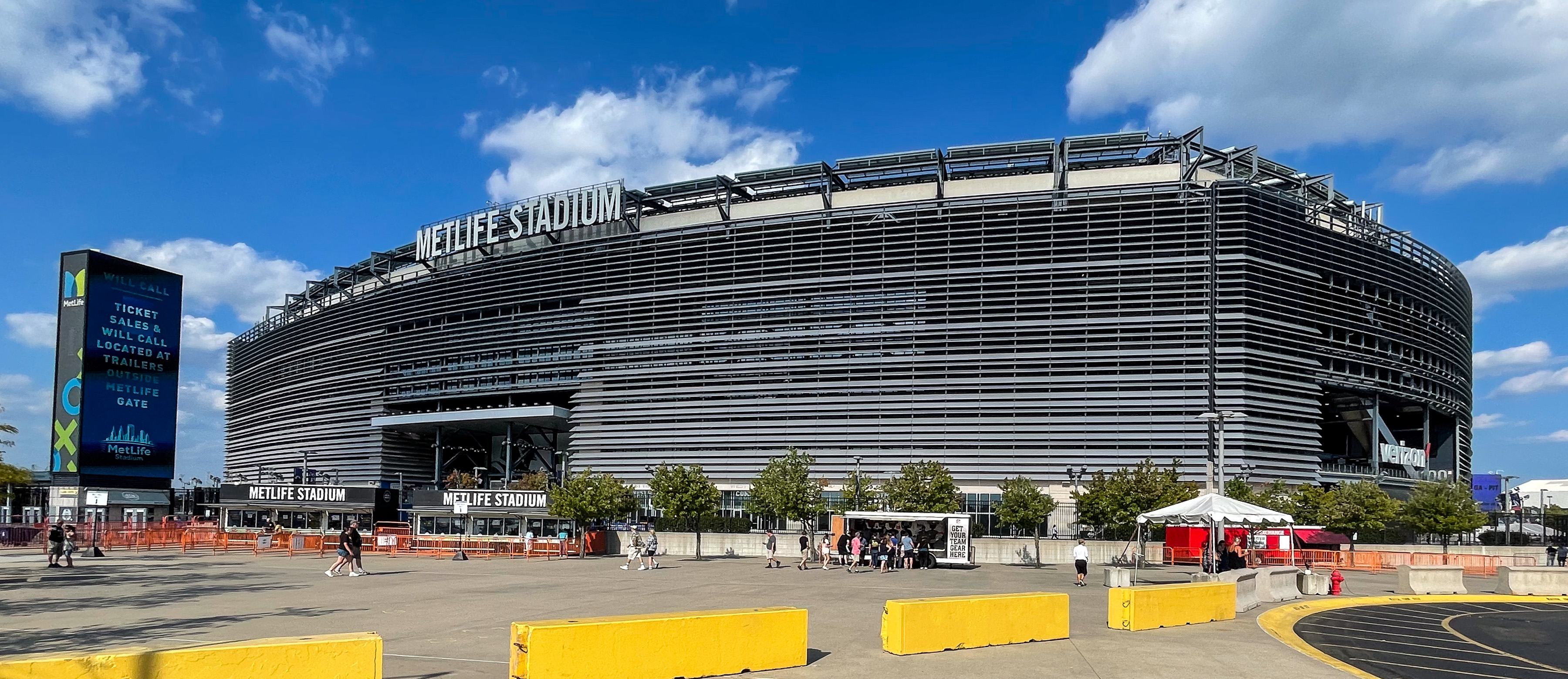
World Cup Heat: A Looming Crisis for Global Sports

As the world eagerly awaits the 2026 FIFA World Cup, a shadow looms over the festive atmosphere. The real concern isn't just about the players braving the heat on the pitch, but rather the millions of fans who will flock to the stadiums, each with varying health conditions and vulnerabilities.
In 2022, FIFA made the unprecedented decision to shift the World Cup in Qatar from the sweltering summer months to the cooler period of November and December. This move, while primarily for the players' well-being, inadvertently highlighted the vulnerabilities of fans exposed to extreme temperatures, especially during daytime matches.
With estimates suggesting up to seven million spectators attending the 2026 event, the risks are stark. The diverse demographics of these fans mean that many may not be acclimatised to the heat, posing health risks ranging from heat exhaustion to more severe conditions. The challenge is not just logistical but ethical: how to ensure the safety of a global audience while maintaining the spirit of the event.
Beyond the Pitch: A Global Sports Dilemma
Climate change is increasingly dictating the terms of global sports. The 2026 World Cup serves as a stark reminder of this new reality. It's more than just a scheduling inconvenience; it's a potential disruptor of how international tournaments are organised and executed.
FIFA's recent adjustments reflect a growing recognition of the changing climate, yet the question remains: are these measures enough? The future of sports may well depend on our ability to adapt and innovate in the face of environmental challenges.
A Call for Sustainable Solutions
While the focus has been on the immediate, the long-term implications are profound. The World Cup is not just a sporting spectacle; it is a platform for global unity and expression. As such, it must lead by example in addressing climate concerns.
Innovative solutions, from sustainable stadiums to improved crowd management strategies, could pave the way for safer, more eco-friendly sporting events. The challenge lies in balancing tradition with transformation, ensuring that the world's love for football is not overshadowed by avoidable risks.